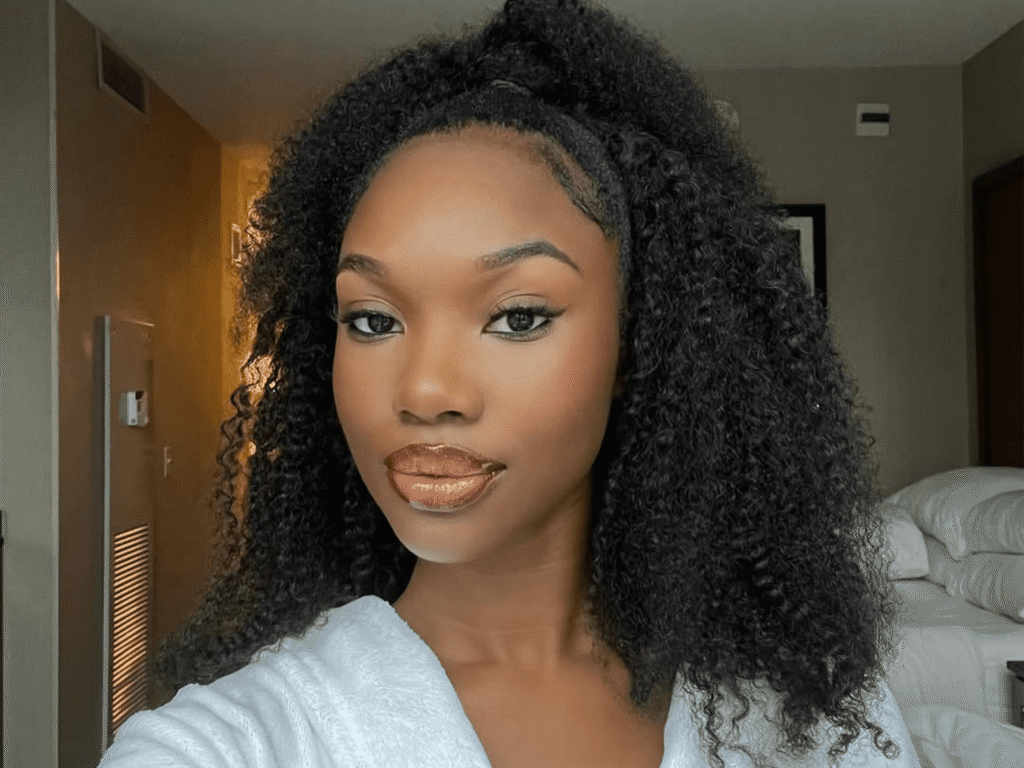
professional natural hairstyles
Professional natural hairstyles can help you create a polished workplace appearance while allowing your natural texture to remain part of your personal style. Because natural hair varies in curl pattern, density, length, and porosity, the same hairstyle may look different from one person to another. Choosing a suitable style begins with understanding what your hair needs and how much maintenance fits your routine. With the right approach, natural curls, coils, twists, and textured hair can all be styled beautifully for professional settings.
Choosing a Hairstyle Based on Your Hair Type
Before selecting a workplace hairstyle, consider your hair’s texture, density, length, and current condition. Looser curls may work well with defined wash-and-go styles, while tighter coils may benefit from twists, puffs, or protective styling. Hair density can also influence how much time a style requires and how long it remains neat. Understanding these characteristics makes it easier to choose professional natural hairstyles that are practical rather than simply attractive in photographs.
Your daily routine should influence your choice as much as your hair type. If you have limited time in the morning, a low bun, puff, twists, or another low-maintenance style may be more convenient. Professionals who enjoy styling their hair may prefer defined curls or detailed updos that require additional preparation. The ideal hairstyle should complement your schedule, workplace environment, personal preferences, and long-term hair-care goals.
Professional Styles for Looser Curl Patterns
Hair with looser curl patterns can be styled into defined curls, side-parted looks, low ponytails, and polished half-up styles. A properly moisturized wash-and-go can create a neat appearance while allowing the natural curl pattern to remain visible. Using suitable products can help improve definition and reduce unwanted frizz without making the hair feel excessively heavy. A balanced shape around the face can further enhance the finished workplace look.
A twist-out can also work well when prepared ahead of time. Create twists on clean, conditioned hair and allow them to dry fully before gently separating them. The resulting texture can be shaped into a controlled style or worn with natural volume. Preparing the style the night before can make mornings easier while reducing the amount of manipulation required before heading to work.
Professional Styles for Coily Hair
Coily hair offers impressive versatility and can be shaped into elegant puffs, buns, twists, and textured updos. A low puff is particularly useful when you want to keep your hair organized without completely hiding its natural texture. A high puff can provide additional volume while creating a simple and intentional silhouette. Both options can be adapted to different professional environments by adjusting the overall shape and finish.
Two-strand twists are another practical option for coily hair because they can be worn for several days with appropriate care. They can remain loose, be pinned into an updo, or be gathered into a low bun for a more structured appearance. Keeping the twists comfortably secured is important, particularly around the hairline. A protective and manageable approach can help reduce unnecessary daily manipulation.
Professional Styles for Tighter Coils
Tighter coils can be styled into beautiful professional looks that emphasize texture while maintaining a polished shape. Flat twists, braided updos, defined coils, and carefully shaped natural afros are versatile possibilities. When creating these styles, gentle detangling and adequate moisture can make the process more manageable. Avoid rushing through preparation because rough handling can contribute to unnecessary breakage.
A shaped afro can be particularly effective when you want a low-maintenance style with strong visual impact. Keep the silhouette balanced and use gentle techniques to maintain the desired form. Depending on your workplace, you can wear the style with minimal accessories for an understated appearance. Regular maintenance and appropriate moisturizing can help preserve both the shape and overall condition of the hair.
Professional Protective Hairstyles
Protective styles can be useful for professionals who prefer to reduce daily styling and manipulation. Options include simple cornrows, knotless braids, braided buns, flat twists, and other carefully installed designs. When choosing a protective hairstyle, consider its size, length, installation method, and expected maintenance. A neat, comfortable design can work well in professional settings while giving you more flexibility during busy weeks.
Hair and scalp comfort should remain a priority with any protective style. Excessive tension can place unnecessary stress on the hairline and scalp, so styles should not be installed tighter than necessary. Give your hair appropriate care during the time you wear the style and follow a sensible removal and maintenance routine. Protective styling should support convenient hair management rather than create avoidable strain.
Professional Hairstyles for Short Natural Hair
Short natural hair can offer plenty of professional styling possibilities without requiring extensive preparation. A neatly shaped cropped style can highlight your natural texture while maintaining a clean appearance. You can also experiment with a defined curl pattern or a subtle side part for additional structure. Regular shaping can help maintain the intended silhouette and keep the style looking intentional.
For professionals who prefer minimal morning maintenance, short natural hair can be particularly convenient. A small amount of suitable moisturizer or styling product may be enough to refresh the texture and restore shape. Avoid applying excessive product simply to create a completely controlled appearance. Natural texture can remain visible while the overall style still looks polished and appropriate for the workplace.
Professional Hairstyles for Long Natural Hair
Long natural hair provides many styling options, including buns, ponytails, twists, braided styles, and half-up designs. A low bun can create a sophisticated appearance for meetings and formal settings, while a textured updo can offer more personality. Long hair should be secured comfortably so that the style does not create unnecessary tension. Using appropriate accessories can help keep longer sections organized throughout the workday.
A half-up, half-down style can also provide an attractive balance between structure and natural volume. Secure the upper portion while allowing the remaining curls or coils to maintain their natural shape. This approach can be adapted for different hair textures and workplace environments. It is especially useful when you want a style that feels polished without completely putting your natural hair away.
Matching Your Hairstyle to Your Workplace
Professional presentation depends partly on the culture and expectations of your workplace. A creative office may provide more flexibility with volume, accessories, and experimental styles, while a highly formal environment may encourage simpler designs. Understanding your specific setting can help you select a hairstyle that feels appropriate without compromising your personal expression. Professionalism does not require every person to wear the same type of hairstyle.
Your clothing can also influence how your hairstyle fits into your overall appearance. Structured jackets, tailored trousers, simple dresses, and understated accessories can pair well with both natural curls and carefully arranged protective styles. If you are building a consistent professional wardrobe, consider how your hairstyles work with your existing clothing choices. Creating harmony between your hair, clothing, and accessories can make your overall presentation feel more intentional.
When to Visit a Professional Stylist
Some natural hairstyles can easily be maintained at home, while others benefit from professional expertise. If you are looking for a Black hair salon near me, consider the stylist’s experience with your particular hair type and desired service rather than choosing solely based on convenience. Review examples of relevant work and ask about their approach to hair health, products, tension, and maintenance. A consultation can help you determine whether the professional understands your specific goals.
A skilled stylist can also help you develop a sustainable routine instead of focusing only on one appointment. They may suggest styles based on your hair condition, lifestyle, workplace, and maintenance preferences. Communicate openly about previous treatments, sensitivities, and concerns before beginning a service. This information can help the stylist make recommendations that are more appropriate for your individual needs.
Building a Practical Natural Hair Routine
The best professional natural hairstyles are those you can maintain comfortably and consistently. Consider creating a rotation of several dependable styles so you do not rely on one technique every day. Give your hair appropriate conditioning and moisture, avoid excessive heat or tension, and handle your strands gently during detangling and styling. A sustainable routine can make it easier to maintain a polished appearance while supporting the long-term condition of your natural hair.
Whether your hair is short, long, loosely curled, tightly coiled, or somewhere in between, there is no shortage of professional styling possibilities. The most suitable option will depend on your individual texture, lifestyle, workplace, and maintenance preferences. By choosing styles that balance appearance, comfort, and healthy hair practices, you can make natural hair an effortless part of your professional presentation. With thoughtful styling and consistent care, your natural texture can remain versatile, polished, and authentically yours.