7 Essential Tips for Outdoor Porcelain Tile Installation Expert Guide to Travertine Paver Installation
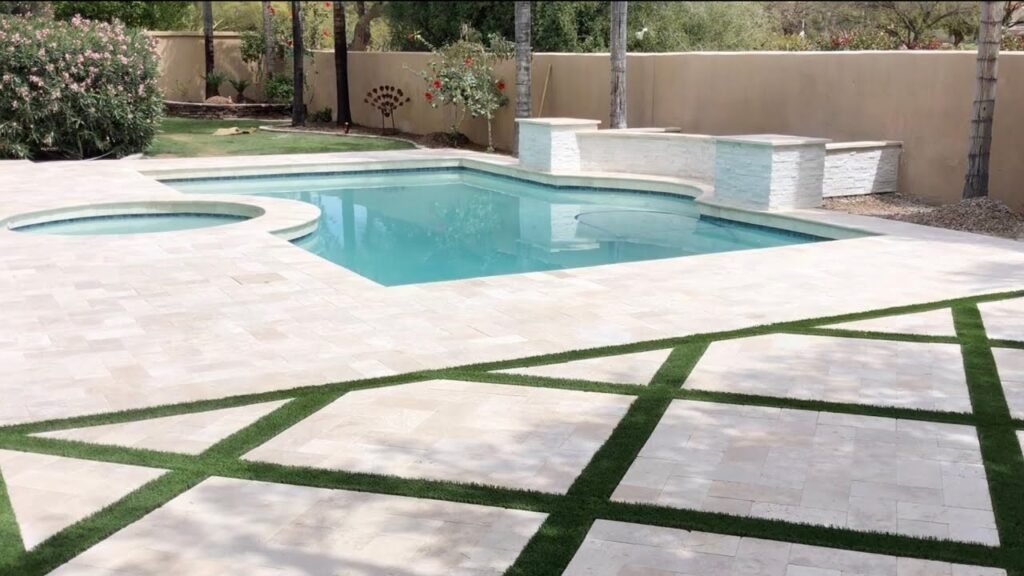
Outdoor living spaces have become a central feature of modern residential and commercial design, driving strong demand for durable, attractive hardscape solutions. Homeowners and property managers increasingly seek surfaces that combine aesthetic appeal with long-term performance under sun, rain, frost, and heavy foot traffic. Among the most sought-after options, outdoor porcelain tile installation has emerged as a preferred method for creating patios, pool decks, walkways, and rooftop terraces that look refined and stand up to the elements. Porcelain offers superior density, low porosity, and a wide range of finishes that mimic natural stone, making it an intelligent alternative to traditional materials. When paired with travertine-look surfaces, porcelain delivers the warmth and texture of natural stone without the high maintenance that natural travertine often requires.
The importance of proper installation cannot be overstated. Even the finest porcelain tiles will fail prematurely if the base, drainage, or adhesive system is compromised. Travertine pavers, whether natural or porcelain replicas, demand careful attention to substrate preparation, expansion joints, and slope. This expert guide presents seven essential tips for outdoor porcelain tile installation, with a specific focus on travertine paver installation techniques that professionals and serious DIYers can apply immediately. By following these principles, you can achieve a stable, beautiful, and weather-resistant surface that enhances property value and reduces long-term repair costs.
Understanding Outdoor Porcelain Tile Installation and Its Importance
Outdoor porcelain tile installation is fundamentally different from interior tiling because exterior surfaces must manage moisture, temperature fluctuations, and structural movement. Porcelain tiles are manufactured with high pressure and fired at extreme temperatures, resulting in a dense, low-absorption material that resists frost damage and staining. However, these same properties make installation less forgiving: porcelain does not absorb much adhesive, so the bond depends heavily on proper mortar selection and coverage. In travertine paver installation, whether the material is natural travertine or porcelain designed to look like travertine, the installer must account for the stone’s natural variation in thickness and texture. This variation can create lippage if not managed with a medium-bed mortar and a leveling system. The importance of this discipline lies in safety and longevity. A poorly installed outdoor floor can become a tripping hazard, trap water, and crack under freeze-thaw cycles. Conversely, a correctly installed porcelain or travertine surface can last decades with minimal maintenance, making it a cost-effective investment for any property.
Importance of Professional Outdoor Porcelain Tile Installation
Hiring a professional for outdoor porcelain tile installation is not merely a matter of convenience; it is a risk-management decision. Exterior installations involve grading, drainage, and structural considerations that go beyond surface aesthetics. Professionals understand how to calculate slope for water runoff, typically a minimum of 1/8 inch per foot, and how to integrate drains, edge restraints, and expansion joints. With travertine paver installation, the risk of failure is even higher because natural travertine is softer and more porous than porcelain. A professional will know whether to seal the stone, which mortar to use, and how to prevent efflorescence. They also carry liability insurance and offer warranties, which protects the property owner from costly rework. Perhaps most importantly, experienced installers can anticipate problems such as unstable subgrade, tree root intrusion, or poor compaction. These issues are rarely visible to an untrained eye but can cause settling and cracking within a single season. By investing in expert labor, you ensure that the installation meets local building codes and industry standards, preserving both safety and property value.
Services and Features Related to Outdoor Porcelain Tile Installation
A comprehensive outdoor porcelain tile installation project includes several interconnected services that go far beyond laying tiles. It begins with site assessment and demolition of any existing surface, followed by excavation to the proper depth. Next comes subgrade compaction and the installation of a base material, usually crushed stone or gravel, which is compacted in lifts to achieve a stable platform. For travertine paver installation, installers often use a sand or fine gravel setting bed, while porcelain tiles typically require a concrete slab or a bonded mortar bed. Additional services include drainage design, such as French drains or channel drains, and the application of waterproofing membranes in areas adjacent to foundations. Cutting and shaping tiles or pavers to fit around pools, steps, and columns is another specialized skill. Finally, grouting, sealing, and cleanup complete the job. Some companies also offer design consultation, helping clients choose between natural travertine, porcelain travertine-look tiles, and other materials. Each of these features contributes to the overall performance and appearance of the finished surface, and skipping any step can compromise the entire installation.
Choosing the Right Outdoor Porcelain Tile Installation Contractor
Selecting the right contractor for outdoor porcelain tile installation requires more than comparing price quotes. Start by verifying licenses, insurance, and local business registration. Ask for a portfolio of completed outdoor projects, especially those involving travertine or large-format porcelain. A reputable contractor should be willing to provide references and allow you to visit a past job site. During the consultation, ask specific questions about substrate preparation, drainage strategy, and the type of mortar and grout they plan to use. For travertine paver installation, inquire whether they will seal the pavers before or after installation and how they will handle thickness variation. A knowledgeable contractor will explain these details without hesitation. Also, request a written contract that outlines the scope of work, timeline, payment schedule, and warranty terms. Be wary of unusually low bids, as they often indicate skipped steps like proper compaction or drainage. The right contractor will prioritize long-term performance over speed, and they will communicate clearly throughout the project.
Quality, Safety, and Industry Standards for Outdoor Porcelain Tile Installation
Quality and safety in outdoor porcelain tile installation are governed by industry standards such as those from the Tile Council of North America (TCNA) and the American National Standards Institute (ANSI). These standards specify requirements for substrate preparation, mortar coverage, expansion joints, and slip resistance. For exterior applications, tiles must have a coefficient of friction (COF) of at least 0.60 to reduce slip hazards, especially when wet. Porcelain tiles rated for outdoor use typically carry a DCOF (Dynamic Coefficient of Friction) value that meets or exceeds this threshold. In travertine paver installation, safety also involves ensuring that the surface is not too smooth; natural travertine is naturally textured, but porcelain imitations vary. Additionally, installers must follow local building codes for fall protection, electrical safety near pools, and structural loading. Quality control includes checking for lippage, verifying slope, and testing drainage before the project is considered complete. Adhering to these standards protects both the installer and the property owner, and it ensures that the finished surface will perform as expected for years.
Benefits of Hiring Professional Outdoor Porcelain Tile Installation Services
The benefits of professional outdoor porcelain tile installation extend well beyond a flawless finish. First, professionals bring efficiency: they have the tools, equipment, and experience to complete the job faster and with less waste than a typical DIY effort. Second, they offer durability. A properly installed porcelain or travertine surface resists cracking, fading, and frost damage, reducing maintenance costs over time. Third, professional installation often comes with a warranty, giving you peace of mind. Fourth, professionals can help you avoid costly mistakes such as inadequate drainage, which can lead to water pooling and foundation damage. Fifth, they ensure compliance with local codes, which is essential if you plan to sell the property or pass an inspection. Finally, a professionally installed outdoor space increases property value and curb appeal. For business owners, a well-installed patio or walkway can attract customers and create a positive first impression. In short, hiring experts is an investment that pays for itself through reduced repairs, lower maintenance, and enhanced enjoyment of your outdoor environment.
Future Trends and Industry Development in Outdoor Porcelain Tile Installation
The future of outdoor porcelain tile installation is being shaped by technological innovation and changing consumer preferences. One major trend is the rise of large-format porcelain tiles, which create seamless, modern surfaces with fewer grout lines. These tiles require specialized handling and installation techniques, driving demand for trained professionals. Another trend is the development of thinner, lighter porcelain tiles that can be installed over existing surfaces, reducing demolition waste. In travertine paver installation, manufacturers are producing porcelain tiles with increasingly realistic travertine textures, offering the look of natural stone with superior durability and lower maintenance. Sustainable practices are also gaining traction, including the use of recycled content in tiles and eco-friendly mortars. Additionally, smart outdoor spaces are integrating heating systems beneath porcelain and travertine surfaces to melt snow and ice, extending the usable season. As these trends evolve, installers who stay current with training and certification will be best positioned to meet market demand and deliver high-quality results.
Conclusion
mastering outdoor porcelain tile installation is essential for creating outdoor spaces that are beautiful, safe, and long-lasting. From understanding the unique demands of exterior environments to selecting the right contractor and adhering to industry standards, each of the seven tips outlined here contributes to a successful project. Whether you are installing porcelain or natural travertine pavers, the principles of proper substrate preparation, drainage, and quality control remain constant. By applying this expert guidance, property owners and professionals can achieve a durable, low-maintenance surface that enhances any outdoor area. For those ready to elevate their outdoor living space, investing in professional installation is a decision that delivers lasting value and peace of mind.