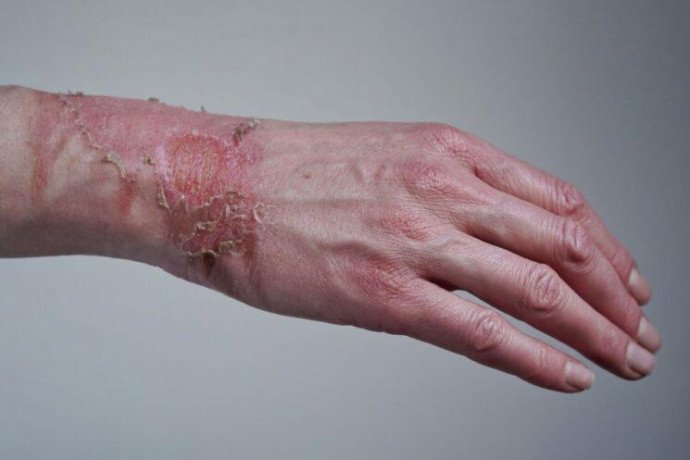
Wound care can become more complex when an injury does not progress as expected with standard treatment. Some wounds need additional support because of their depth, location, underlying health factors, or prolonged healing process. In these situations, healthcare professionals may evaluate advanced wound care products as part of an individualized treatment plan.
One category that has received considerable attention is the Skin Substitute. These products are used in certain wound care settings to provide coverage or a supportive environment for the wound. Amniotic tissue-based products are also among the options clinicians may encounter. Understanding how a Skin Substitute and an Amniotic Skin Graft may fit into wound management can help healthcare professionals make informed product and treatment decisions.
What Is a Skin Substitute?
The term Skin Substitute covers a broad range of products designed for use in wound management. Despite the name, these products do not necessarily function exactly like a patient’s natural skin. Their composition and intended use can vary considerably.
Some are derived from human tissue, while others may contain biological, synthetic, or combined materials. Depending on the specific product, a skin substitute may be intended to cover a wound, provide a protective structure, or support an environment suitable for the body’s natural repair processes.
Because products differ, healthcare professionals should consider the indications, handling requirements, wound characteristics, and manufacturer instructions associated with each option.
Understanding Amniotic Tissue in Wound Care
Amniotic tissue comes from the placenta and has become an important material in the development of certain advanced wound care products. Donated placental tissue intended for clinical use undergoes specific recovery, processing, preservation, and screening procedures.
An Amniotic Skin Graft may be considered by healthcare professionals for certain wounds based on the product’s intended use and the patient’s clinical circumstances. Product characteristics can differ according to factors such as processing method, preservation technique, number of tissue layers, thickness, and format.
For this reason, amniotic products should not automatically be treated as interchangeable. Clinicians should understand the characteristics of the individual product being considered.
When Advanced Wound Care May Be Considered
Many minor wounds respond appropriately to routine care. More complicated wounds, however, may require ongoing evaluation and a more comprehensive management strategy.
Chronic wounds are one example. A wound that remains open or fails to demonstrate expected progress may prompt a healthcare professional to investigate factors that could be interfering with healing. These can include circulation, pressure, infection, nutrition, blood glucose management, repeated trauma, and other patient-specific concerns.
An advanced Skin Substitute may be considered as one component of care when clinically appropriate. The decision should be based on a complete assessment rather than simply how long a wound has been present.
Advanced products do not replace fundamental wound care practices. Appropriate wound preparation, management of contributing conditions, infection assessment, pressure relief when required, and regular monitoring continue to play important roles.
Where Does an Amniotic Skin Graft Fit?
Amniotic tissue-based products offer clinicians another option within the wider field of advanced wound management.
Depending on the particular product and its regulatory status, an Amniotic Skin Graft may be considered for specific wound types or clinical situations. Before selecting a product, providers should review its intended use, instructions, storage conditions, preparation requirements, and application process.
The condition of the wound bed is also important. A healthcare professional may need to evaluate tissue quality, drainage, signs of infection, wound dimensions, and surrounding skin before deciding whether an advanced product is suitable.
This individualized approach is essential because two wounds that appear similar at first glance may require very different management strategies.
Not Every Skin Substitute Is the Same
The expanding selection of advanced wound products gives clinicians more options, but it can also make product evaluation more complicated.
A Skin Substitute may differ from another product in several practical ways. These differences may include its source material, structure, thickness, storage requirements, shelf life, preparation, application method, and recommended indications.
Amniotic tissue products can vary as well. Some may use a single layer of membrane, while others may incorporate multiple layers or different placental tissues. Processing and preservation techniques can also influence the physical characteristics of the finished product.
Healthcare professionals should therefore evaluate the specific documentation associated with each product instead of making decisions based solely on the product category.
Factors Healthcare Providers May Evaluate
Choosing an advanced wound care product involves more than selecting a particular material. Providers may consider the type and size of the wound, its location, how long it has been present, previous treatments, underlying conditions, and the patient’s overall care plan.
Practical considerations matter too. Product availability, storage, handling, application requirements, documentation, and payer policies may influence how a particular option is incorporated into clinical practice.
For an Amniotic Skin Graft, providers should also become familiar with the product’s tissue source, processing information, instructions for use, and applicable regulatory information.
Careful product evaluation helps clinicians determine whether an option is appropriate for a particular clinical situation.
Advanced Products Are Part of a Broader Care Plan
It can be tempting to focus on the newest technology when discussing difficult wounds. However, successful wound management generally requires attention to the entire clinical picture.
A patient with a pressure-related wound may need pressure redistribution. A patient with a diabetic foot wound may require attention to offloading and metabolic management. Vascular concerns may require additional evaluation. Infection, moisture balance, nutrition, and other factors can also influence the care plan.
A Skin Substitute or Amniotic Skin Graft should therefore be viewed as one potential component within a broader wound management strategy rather than as a stand-alone solution.
Moving Toward More Informed Wound Care Decisions
Advanced wound care continues to develop as clinicians gain access to new materials, technologies, and tissue-based products. This growing range of choices makes careful evaluation increasingly important.
Understanding the differences among skin substitute products can help healthcare professionals select options based on wound characteristics, product indications, and individual patient needs. Amniotic tissue-based products add another category for providers to consider when developing an appropriate treatment strategy.
Ultimately, product selection should begin with a thorough clinical assessment. When considering a Skin Substitute or Amniotic Skin Graft, providers should review the product’s intended use and supporting information and determine how it fits within the patient’s overall wound care plan.