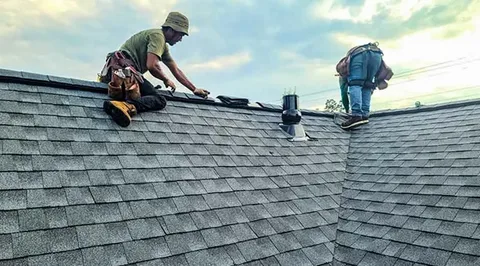
A roof is one of the most important protective components of any residential property, shielding the structure from rain, wind, sunlight, and changing temperatures. However, roofing materials gradually deteriorate because of age, weather exposure, installation defects, and ongoing environmental stress. When repairs become frequent or the existing system can no longer provide reliable protection, replacing the roof may be a practical long-term investment. A carefully planned roof replacement project can improve structural protection, enhance energy efficiency, refresh the home’s exterior appearance, and reduce the risk of recurring maintenance problems. For homeowners, understanding the replacement process before work begins helps establish realistic expectations, control expenses, and ensure that the finished roofing system meets the property’s requirements.
Planning a roofing upgrade involves more than selecting an attractive material and arranging an installation date. Homeowners must evaluate the existing roof, compare suitable products, establish a budget, verify contractor qualifications, and understand local building requirements. The project may also involve removing old roofing materials, repairing damaged decking, improving ventilation, replacing flashing, and coordinating inspections. Without proper preparation, unexpected structural issues or unclear contractual terms can lead to delays and additional costs. A successful project begins with an accurate assessment of the roof’s condition and a clear understanding of the available options. By considering durability, climate suitability, workmanship, warranties, and long-term maintenance, property owners can make informed decisions that support dependable roof performance for years to come.
H2: Understanding When Roof Replacement Becomes Necessary
Determining the right time to replace a roof begins with evaluating its age, condition, and maintenance history. Roofing materials have different expected service lives, and their actual performance depends on installation quality, weather exposure, ventilation, and ongoing care. Common warning signs include widespread shingle deterioration, recurring leaks, missing roofing materials, damaged flashing, visible sagging, and persistent moisture problems in the attic. Although isolated defects can often be repaired, repeated failures across several areas may indicate that the existing system is approaching the end of its useful life. Water stains on ceilings, damp insulation, and deteriorating roof decking can also suggest problems that require further investigation. Homeowners should not assume that every aging roof needs immediate replacement, because a professional inspection may identify a suitable repair option. Conversely, repeatedly patching a severely deteriorated roof may cost more over time than installing a new system. An experienced roofing professional can assess the extent of damage, explain the advantages and limitations of repair versus replacement, and identify any underlying structural concerns. Making this decision based on documented findings rather than guesswork helps homeowners invest in the solution that best fits the property’s condition and long-term needs.
H2: Choosing the Right Roofing Materials for Your Home
Selecting appropriate roofing materials is a major decision because it affects durability, appearance, maintenance requirements, and overall project costs. Asphalt shingles remain a popular residential option due to their variety of colors, styles, and price ranges. Metal roofing can provide durability and weather resistance when correctly specified and installed, while clay and concrete tiles may suit homes with architectural designs and structures capable of supporting their weight. Other specialized systems may be appropriate for flat or low-slope roofs. Homeowners should consider local weather conditions, roof pitch, structural capacity, neighborhood design, and manufacturer recommendations before making a selection. A professional roof replacement plan should also account for underlayment, flashing, fasteners, ventilation components, and drainage details rather than focusing only on the visible exterior material. These elements work together to protect the building and support the roofing system’s performance. It is also important to compare product warranties, installation requirements, and maintenance expectations. A lower-priced material may not provide the best long-term value if it requires frequent repairs or is unsuitable for local conditions. By comparing material specifications and discussing practical trade-offs with a qualified contractor, homeowners can select a roofing system that balances appearance, cost, and dependable protection.
H2: Creating a Realistic Roofing Replacement Budget
A detailed budget helps homeowners manage expenses and reduce the likelihood of financial surprises during a roofing project. The total cost typically depends on roof size, pitch, accessibility, material selection, labor requirements, removal of existing materials, and the condition of the underlying structure. Additional expenses may arise from replacing damaged decking, upgrading flashing, improving ventilation, obtaining permits, or arranging specialized equipment. Homeowners should request itemized written estimates that identify the proposed materials, labor, disposal costs, project scope, and any exclusions. Comparing several proposals can help establish a reasonable price range, but each estimate should cover similar work to make the comparison meaningful. An unusually low quotation may omit essential components or fail to account for concealed damage. It is sensible to establish a contingency allowance for unexpected issues, particularly when an older roof has not been inspected recently. Payment terms should be documented clearly, and homeowners should understand the conditions governing deposits, progress payments, and final payment. Any additional work discovered during installation should be explained and approved in writing before it proceeds. A realistic budget considers both the immediate installation cost and long-term expenses such as maintenance, potential repairs, and energy performance. This broader perspective helps homeowners evaluate the overall value of the investment rather than choosing a roofing system solely on its initial price.
H2: Selecting a Qualified Roofing Contractor
The quality of the contractor has a direct influence on the durability and reliability of a new roofing system. Homeowners should verify applicable licensing requirements, confirm suitable insurance coverage, review references, and examine examples of comparable completed projects before signing an agreement. Experience with the selected roofing material is particularly important because installation methods differ between shingles, metal panels, tiles, and membrane systems. A qualified professional should inspect the existing roof, explain the recommended approach, and identify potential complications involving ventilation, drainage, or structural damage. Written estimates should specify the scope of work, materials, installation methods, schedule, cleanup responsibilities, and warranty conditions. Homeowners should also ask whether the company uses its own installation crews or subcontractors and clarify who will supervise the project. Manufacturer certifications and specialized training may provide additional evidence of technical knowledge, although they should not replace independent checks of credentials and insurance. Be cautious of contractors who pressure customers to sign immediately, refuse to provide documentation, or demand unusual payment arrangements. A reliable professional will communicate clearly, answer questions, and document changes when unforeseen circumstances arise. Taking time to evaluate contractors helps establish accountability and increases the likelihood that the installation will follow appropriate manufacturer requirements and local building standards.
H2: Preparing Your Home Before Installation Begins
Preparation helps the replacement project proceed more efficiently while reducing disruption to household activities and protecting personal belongings. Before installation, homeowners should discuss the expected schedule, material delivery arrangements, access requirements, and potential noise with the contractor. Roofing work can involve vibration, falling debris, and movement around the exterior of the building, so vehicles, outdoor furniture, decorations, and fragile items should be moved away from active work areas where practical. Items stored in the attic may need protection from dust or minor debris associated with removing old roofing materials. Homeowners should also identify sensitive landscaping, outdoor equipment, and other features that require additional protection. If children or pets live at the property, establish safe areas away from ladders, tools, and material storage. The contractor should explain how debris will be collected, how nails and other waste will be managed, and how access to entrances will be maintained. Weather conditions are another important consideration because rain or high winds may require schedule adjustments to protect the exposed roof during installation. Confirming permit requirements and arranging any necessary inspections before work begins can help prevent avoidable delays. Clear communication about these practical details establishes realistic expectations and allows the household to prepare for temporary disruptions while the new roofing system is installed.
H2: Understanding the Roof Replacement Installation Process
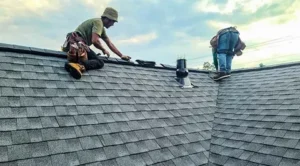
A typical roofing replacement begins with preparing the work area and removing the existing roofing materials when a full tear-off is required. Once the old surface is removed, the contractor can inspect the roof decking and identify deteriorated or damaged sections that need attention. Necessary repairs should be completed before new materials are installed. The next stages generally involve installing the specified underlayment, flashing, edge protection, and other components required by the roofing system. The primary roofing material is then installed according to the manufacturer’s instructions and applicable building requirements. Ventilation and drainage details should be addressed as part of the overall system rather than treated as unrelated finishing tasks. Throughout the project, weather conditions, roof complexity, and material availability can affect the schedule. Homeowners should receive updates about progress and be informed promptly if concealed damage changes the original scope or cost. A professional installation also includes responsible debris removal and a final review of the completed work. Depending on local requirements, inspections may be necessary before the project is considered complete. Understanding these stages helps homeowners evaluate progress, ask relevant questions, and confirm that the agreed work has been performed. Clear documentation of materials, completed repairs, and inspection results can also support future maintenance and warranty claims.
H2: Maintaining Your New Roof for Long-Term Performance
Proper maintenance helps preserve a new roofing system and reduce the likelihood of premature deterioration. Although modern roofing materials are designed to provide protection for many years, their performance still depends on suitable installation, weather exposure, drainage, and routine care. Homeowners should arrange inspections at appropriate intervals and after significant storms, particularly when the property is exposed to strong winds, hail, or falling branches. Inspections can identify loose materials, damaged flashing, blocked gutters, and other developing issues before they cause extensive damage. Gutters and downspouts should be kept clear so rainwater can drain away from the building, while nearby trees should be managed to reduce debris accumulation and physical contact with the roof. Homeowners should also monitor accessible attic areas for unusual moisture, damp insulation, or signs of inadequate ventilation. Avoid using unapproved cleaning chemicals, pressure washing methods, or coatings that could damage roofing materials or affect warranty coverage. It is important to understand the maintenance requirements provided by the manufacturer and contractor. Retaining invoices, product specifications, inspection reports, and warranty documents creates a useful record of the roof’s condition and service history. Consistent maintenance cannot eliminate every risk, but it can help homeowners identify concerns early, protect their investment, and maximize the useful life of the installed system.
Conclusion
Planning a successful roofing upgrade requires careful evaluation, informed material selection, realistic budgeting, and the involvement of a qualified contractor. Homeowners should begin by determining whether the existing roof can be repaired or whether replacement offers better long-term value. They should then compare roofing materials, review detailed estimates, verify contractor qualifications, and prepare the property for installation. Understanding the construction process, warranty conditions, and ongoing maintenance requirements also helps prevent avoidable complications. A well-planned roof replacement can improve weather protection, enhance curb appeal, support energy efficiency, and reduce the risk of recurring roofing problems. By prioritizing suitable materials, professional workmanship, clear communication, and preventive care, homeowners can make a more confident investment in their properties. Careful preparation today helps create a durable, dependable roofing system that protects the home and supports its long-term value.