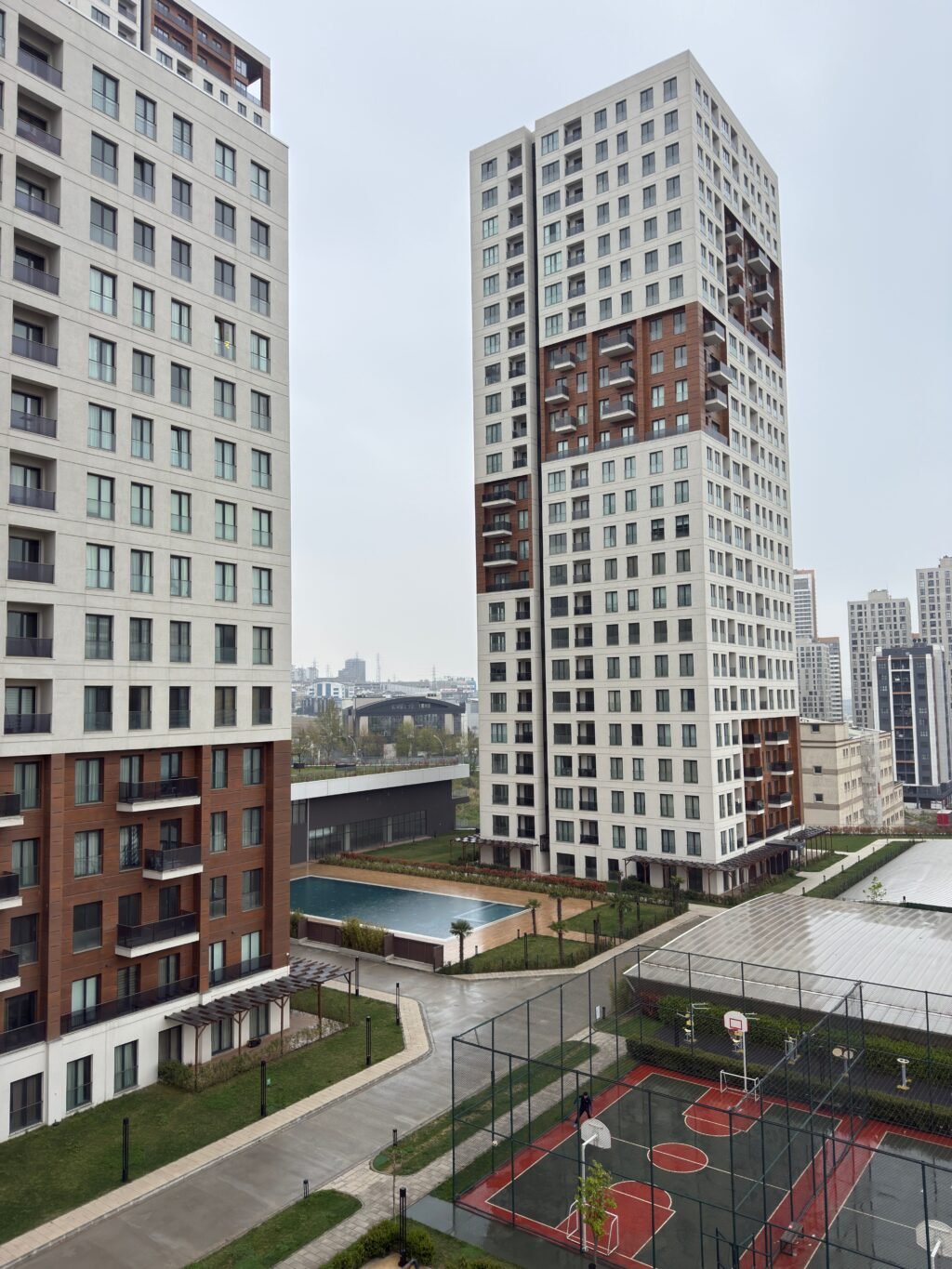
Riyadh continues to experience significant transformation as Saudi Arabia advances Vision 2030, expands infrastructure, develops new economic sectors, and attracts domestic and international investment. These changes are influencing how people live, work, rent, and invest in the capital. For investors evaluating residential, commercial, hospitality, or mixed use assets, working with a real estate advisor in saudi arabia can help identify opportunities that match changing demand patterns, location dynamics, financing conditions, and expected returns.
Riyadh’s Property Market Is Entering a More Selective Phase
Riyadh remains one of the most important property markets in Saudi Arabia because of its economic scale, population growth, government activity, corporate expansion, and infrastructure investment. However, changing demand means that investors can no longer evaluate every property using the same assumptions. Property type, location, tenant profile, affordability, supply levels, and future infrastructure now have a stronger influence on investment performance.
Saudi Arabia’s Real Estate Price Index increased 1.3% year on year in the second quarter of 2026 after recording a decline of 1.6% in the first quarter. This movement demonstrates that the market is adjusting rather than following a uniform growth pattern. Residential prices increased 2.6% year on year, while residential land prices increased 6.3%. Apartment prices increased 1.1%, whereas villa prices declined 9.7%.
These differences are important for Riyadh investors because they show that property opportunities are becoming increasingly dependent on asset type and demand characteristics.
Understanding Changing Property Demand in Riyadh
Demand in Riyadh is being influenced by several structural factors. Population growth, employment opportunities, new business activity, infrastructure development, tourism, housing requirements, and government investment are changing the traditional property landscape.
The expansion of new economic sectors is also creating demand for different types of real estate. Companies require offices and commercial facilities, employees need residential accommodation, visitors require hotels and serviced apartments, and growing communities require retail and lifestyle facilities.
Property demand is therefore becoming more diversified.
Important demand drivers include:
- Population growth and household formation
- Corporate expansion and employment creation
- Infrastructure and transportation development
- Government and private sector investment
- Tourism and hospitality expansion
- New residential communities
- Growth of retail and lifestyle destinations
- Increasing demand for professionally managed properties
Residential Property Opportunities in Riyadh
Residential property remains one of the most important areas for investors in Riyadh. However, changing consumer preferences are creating differences between apartments, villas, residential land, and other housing formats.
The second quarter of 2026 showed residential prices rising 2.6% year on year. Residential land prices increased 6.3%, while apartment prices increased 1.1%. Villa prices declined 9.7% over the same period. These figures indicate that investors should avoid treating residential property as one uniform asset class. Different properties can experience very different demand conditions.
Apartments may benefit from affordability, proximity to employment centers, accessibility, and changing household preferences. Villas can remain attractive for families, but higher prices, financing costs, maintenance requirements, and changing household structures can influence demand.
Residential land can offer opportunities where future development potential is supported by infrastructure, population expansion, and zoning conditions. However, land investment requires careful analysis of holding periods, development costs, liquidity, and future demand.
Apartment Demand Could Create Selective Opportunities
Apartment properties may become increasingly relevant as Riyadh attracts professionals, families, entrepreneurs, and employees associated with expanding businesses.
Apartment demand can be supported by several factors:
- Greater affordability compared with larger residential properties
- Demand from professionals working near business districts
- Rental demand from new residents
- Increasing preference for convenient urban living
- Proximity to transportation and commercial facilities
- Potential demand from smaller households
The 1.1% annual increase in apartment prices during the second quarter of 2026 suggests moderate growth compared with residential land. This does not automatically mean that apartments are less attractive. Investors should consider rental yields, occupancy rates, operating costs, location quality, and future supply before assessing potential returns. A well located apartment with strong rental demand can sometimes provide a more attractive risk adjusted opportunity than a higher priced property with limited tenant demand.
Villa Opportunities Require Greater Selectivity
The 9.7% annual decline in villa prices during the second quarter of 2026 highlights the importance of understanding changing residential preferences. A decline in average prices does not mean every villa represents a weak investment. Instead, it may create opportunities for investors who can identify properties with strong fundamentals.
Investors should examine:
- Location and accessibility
- Plot size and building condition
- Rental demand
- Community facilities
- Proximity to schools and healthcare
- Renovation requirements
- Resale liquidity
- Future infrastructure
A villa located in a mature and desirable community may have different investment prospects from a property in an area facing significant new supply.
Infrastructure Is Reshaping Riyadh Property Opportunities
Infrastructure remains one of the strongest influences on Riyadh property demand. Roads, public transportation, commercial centers, entertainment destinations, healthcare facilities, educational institutions, and new residential communities can significantly influence property attractiveness. Investors should therefore evaluate current infrastructure and planned development together.
A property may appear relatively expensive today but become more attractive if future infrastructure improves accessibility and economic activity. Conversely, an inexpensive property may remain weak if it lacks connectivity, services, or sufficient future demand.
This is where location analysis becomes particularly important. Investors should assess travel times, surrounding development, road connectivity, public transportation, nearby employment centers, and future projects before making acquisition decisions.
Commercial Property Opportunities
Riyadh’s expanding business environment is generating opportunities across commercial real estate. Office buildings, retail centers, business facilities, warehouses, and mixed use developments can benefit from economic diversification.
Saudi Arabia recorded real GDP growth of 4.6% in 2025, while real GDP growth for 2026 has been projected at 1.7%. Non oil growth is projected at 2.6% in 2026. These figures demonstrate the importance of economic diversification in supporting future property demand.
Commercial investors should focus on properties that are connected to sustainable economic activity rather than relying solely on general market appreciation. Office demand, for example, can depend on corporate expansion, employment growth, business district development, and tenant preferences. Retail demand depends heavily on population density, consumer spending, accessibility, and tenant quality.
Hospitality and Tourism Related Opportunities
Tourism and entertainment are becoming increasingly important components of Saudi Arabia’s economic transformation. Riyadh is benefiting from new events, business travel, entertainment destinations, hospitality development, and international exposure.
These trends can create opportunities for:
- Hotels
- Serviced apartments
- Short stay accommodation
- Retail and entertainment properties
- Mixed use developments
- Hospitality linked residential projects
However, hospitality investments require different financial analysis compared with conventional residential assets. Investors need to evaluate occupancy assumptions, average daily rates, operating costs, seasonality, management expenses, and capital expenditure. A strong tourism narrative alone is not enough to justify an investment. The underlying financial model must demonstrate that the asset can generate sustainable cash flow.
The Role of a Real Estate Advisor
A real estate advisor in saudi arabia can support investors by connecting market trends with property specific analysis. The objective is not simply to identify properties with attractive prices. It is to determine whether a property has sustainable demand, appropriate risk characteristics, realistic income potential, and a viable exit strategy.
Professional property advisory can involve several stages:
- Market and location assessment
- Property valuation analysis
- Rental demand evaluation
- Comparable property analysis
- Supply and demand assessment
- Financial feasibility analysis
- Financing sensitivity analysis
- Due diligence support
- Risk assessment
- Exit strategy evaluation
This approach can help investors avoid decisions based solely on headline prices or short term market sentiment.
Supply and Demand Must Be Evaluated Together
One of the most important considerations for Riyadh property investors is future supply. A location may currently have strong demand, but large amounts of new development can change the competitive environment.
Investors should examine both existing and expected supply.
Key questions include:
- How many comparable properties are currently available?
- How much new supply is under development?
- What property types are being delivered?
- Who are the expected tenants or buyers?
- Are rental rates sustainable?
- How quickly can new properties be absorbed?
- What makes the selected property different?
A real estate advisor in saudi arabia can help investors assess these factors before capital is committed. This is particularly important in rapidly developing districts where supply can increase quickly.
Rental Demand Is Becoming More Important
Rental income can provide an important source of returns for property investors. In a changing market, rental demand should be analyzed independently from capital appreciation. A property with moderate price growth but strong rental income may provide a more attractive investment profile than a property with higher appreciation expectations but weak rental demand.
Investors should calculate:
- Gross rental yield
- Net rental yield
- Vacancy assumptions
- Property management costs
- Maintenance expenses
- Financing costs
- Expected rental growth
- Net annual cash flow
For example, a property generating an annual gross rental yield of 7% may appear attractive, but investors need to consider operating expenses, financing costs, vacancy periods, taxes or fees where applicable, and future capital expenditure before estimating the actual return.
Affordability Is Influencing Residential Demand
Housing affordability remains an important factor in Riyadh. As property prices change, households may adjust their preferences by moving toward smaller units, different locations, rental accommodation, or alternative housing formats. This can create opportunities for investors who understand the relationship between household income and property prices.
Affordable apartments may attract a broader tenant base than expensive villas in certain locations. Similarly, properties close to employment centers may command stronger rental demand because tenants value reduced commuting time. Investors should therefore examine affordability alongside population and employment trends.
Financing Conditions Can Change Investment Returns
Financing costs have a direct impact on property investment returns. A property that appears financially attractive under one interest rate assumption may become less attractive if borrowing costs increase. Investors should test different financing scenarios.
For example:
- Base financing scenario at 1% higher financing cost
- Moderate stress scenario at 2% higher financing cost
- Higher stress scenario at 3% higher financing cost
The purpose of this analysis is to determine whether projected cash flow remains sufficient under changing financial conditions.
This type of sensitivity analysis becomes particularly valuable for leveraged investors because debt can amplify both gains and losses.
Evaluating Property Location More Carefully
Riyadh is a large and rapidly developing urban market, meaning location quality can vary significantly between districts. Investors should not evaluate the city as one market. Different locations can have different demand drivers.
Business focused areas may benefit from office and corporate demand. Established residential districts may offer stable rental demand. Emerging development zones may provide long term appreciation potential but can carry higher development and absorption risks.
Location analysis should therefore include:
- Accessibility
- Employment centers
- Population density
- Existing amenities
- Future infrastructure
- Nearby residential supply
- Commercial activity
- Rental performance
- Development pipeline
Professional Due Diligence Supports Better Decisions
Property opportunities should be supported by detailed due diligence. Investors need confidence that the property has clear ownership, appropriate documentation, realistic valuation, and no material issues that could affect future returns. Due diligence can include legal, financial, technical, commercial, and market assessments.
Important areas include:
- Property ownership documentation
- Building condition
- Existing leases
- Rental agreements
- Operating expenses
- Maintenance requirements
- Valuation assumptions
- Zoning and permitted use
- Development restrictions
- Outstanding obligations
Strong due diligence reduces the risk of discovering significant problems after acquisition.
Identifying Undervalued Opportunities
Changing demand can create pricing differences between properties. Some assets may decline in value because of temporary market conditions even though their long term fundamentals remain strong. Other assets may appear inexpensive because demand is structurally weak. The challenge is distinguishing between the two.
An attractive opportunity should ideally combine reasonable pricing with strong fundamentals such as:
- Sustainable tenant demand
- Strong location characteristics
- Limited direct competition
- Good accessibility
- Manageable operating costs
- Potential for rental growth
- Clear resale potential
Investors should avoid assuming that a low price automatically represents value.
How Investors Can Evaluate Riyadh Property Opportunities
A structured evaluation process can help investors compare different opportunities more effectively. The first step is to define the investment objective. Some investors may prioritize rental income, while others may focus on capital appreciation, development, diversification, or long term wealth preservation. The second step is to identify the appropriate asset class. Residential, commercial, hospitality, land, and mixed use properties have different risk and return characteristics.
The third step is to evaluate market fundamentals. Investors should examine demand, supply, population trends, employment, infrastructure, rental activity, and future development. The fourth step is financial analysis. Expected acquisition costs, financing, rental income, operating expenses, taxes or applicable fees, capital expenditure, and exit assumptions should be incorporated into the model. The fifth step is risk assessment. Investors should test how returns change when prices, rents, occupancy, financing costs, construction costs, or exit values change.
The Role of Professional Property Analysis
A real estate advisor in saudi arabia can help investors move from general market observations to property specific decisions. Riyadh offers many opportunities, but the strongest investment decisions are generally based on detailed research rather than market excitement.
Professional analysis can help answer questions such as whether a property is appropriately priced, whether rental demand is sustainable, whether new supply could affect future income, and whether the expected exit value is realistic. This becomes particularly important when evaluating large investments where small changes in assumptions can significantly affect total returns.
Emerging Opportunities in Riyadh
Several areas of Riyadh’s property market may continue to attract investor attention as the city develops. Residential communities can benefit from population growth and employment expansion. Apartments may benefit from affordability and rental demand. Commercial assets can benefit from corporate expansion. Hospitality assets can benefit from tourism and business travel. Mixed use developments can benefit from combining residential, retail, office, and lifestyle functions.
Infrastructure linked opportunities may also become increasingly important because improved connectivity can influence both tenant demand and property values. However, investors should evaluate each opportunity individually rather than assuming that every new development will deliver the same level of return.
Making Better Property Decisions Under Changing Demand
The Riyadh property market is becoming more sophisticated. Investors now need to consider demand quality, supply pipelines, affordability, financing, infrastructure, rental performance, and long term economic conditions together.
The latest 2026 property data shows why this approach matters. Saudi residential property prices increased 2.6% year on year in the second quarter, residential land increased 6.3%, apartments increased 1.1%, while villa prices declined 9.7%. Such differences demonstrate that investment performance can vary substantially across property categories.
Riyadh therefore presents opportunities for investors who can identify specific assets supported by sustainable demand rather than relying on broad assumptions about market growth. A real estate advisor in saudi arabia can contribute to this process through market research, valuation, financial modelling, due diligence, risk assessment, and investment strategy. The focus should remain on matching the right asset with the right location, demand profile, financing structure, holding period, and exit strategy.
Strategic Outlook for Riyadh Property Investors
Riyadh is likely to remain a major center of Saudi Arabia’s economic and real estate transformation. Vision 2030 initiatives, infrastructure investment, economic diversification, population growth, tourism expansion, and private sector development are creating new layers of property demand.
At the same time, investors should recognize that market growth does not guarantee equal performance across every property type. The 2026 data already demonstrates significant differences between land, apartments, villas, and broader residential assets.
Future property decisions should therefore be based on disciplined analysis. Investors who understand demand patterns, monitor new supply, assess affordability, stress test financial assumptions, and evaluate location fundamentals can make more informed decisions in Riyadh’s evolving property market.