Tiny homes aren’t just trending anymore. they’ve become a real answer for people who want less clutter, lower costs, and a different way of living, some folks are chasing financial freedom. others simply got tired of maintaining houses that felt way too big for their lives. whatever the reason, one thing becomes clear pretty quickly. finding the right tiny house builders matters more than choosing fancy finishes or trendy layouts.
A tiny home may be smaller, but the decisions aren’t.I’ve talked with homeowners who rushed into projects because the photos looked amazing online. A few months later they were dealing with moisture issues, poor insulation, awkward storage, or trailers that weren’t even balanced correctly. That’s frustrating, and honestly, expensive.
Good builders don’t just assemble walls. they understand engineering, materials, local regulations, and how people actually live inside compact spaces every day. they ask questions before making recommendations. That’s usually a good sign. this guide walks through what really separates quality builders from average ones. No hype. Just practical information that helps you make smarter choices before signing a contract.
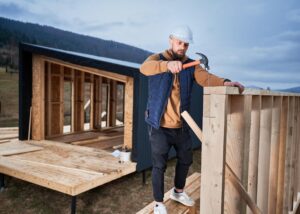
Why Tiny House Builders Matter More Than Most People Think?
Building a traditional home and building a tiny house are not the same things. they’re completely different processes. when you’re making a home of a much smaller footprint, you have to be much more conscious of the decisions you make in order to maximize square footage. where and how you put cabinets matters because you could be losing precious space that could have been saved. the same goes for staircases that have a very poor design that makes your every day life harder. you could also have windows placed in not optimal places resulting in a home that is way too hot for the summer, or making room darker than it needs to be.
Tiny house builders know all of the small details of their craft that would be a lot easier to ignore if you were building a traditional two-story home. They know the exact place to put something that seems like it would only make sense in a larger square footage building because they’ve been doing it for years. They know how to handle weight on a trailer if you’re making a tiny home on wheels. They know about the proper insulation depending on their area. You get my point.
You see, people tend to think that just because a tiny home is smaller, that it doesn’t require as careful of workmanship. In a way, it’s true because there isn’t as many materials needed for a smaller building. However, it’s also false, because those materials do need to be installed in specific ways that may even have been customized to the home itself and require a much more precise workmanship.If there is a bad part of a 3,000-sq-ft home that wasn’t done properly, you could be walking around completely oblivious to it. But if there was a problem in a 350-sq-ft tiny home, you would be aware of it every day.
Planning Your Tiny Home Before Construction Even Starts
Here is something that many homebuilders overlook – or fail to recognize in their clients, construction is not where building a project really begins. the most efficient projects often begin in months preceding the actual day of construction, as a future homeowner begins to think through how they would like to see themselves living within the home. storage is another huge consideration for a prospective homeowner, as many underestimate just how much stuff they actually need to store in their new home.
Seasonal clothing, outdoor gear, kitchen appliances, cleaning supplies, and much more all need a place to go. Fortunately, smart planning can account for these needs and address them accordingly through customized built-ins, storage niches, lofts, under-step storage, and more.natural lighting is something that many people desire, as large windows can make a space feel much bigger. too much glass, however, often creates unwanted heating and cooling bills, especially if the windows are not properly insulated. planning helps to balance the needs of the future homeowner with the realities of the local climate so that everyone is happy in both the summer evenings and winter nights.
What Separates Great Tiny House Builders From Average Contractors?
Not every contractor should build a tiny home.that sounds harsh, maybe. but it’s true, some builders mainly construct traditional houses and assume tiny homes are simply smaller versions. they’re not. professional tiny house builders approach projects differently because space limitations change nearly every design decision. one thing worth looking at is previous projects.
Ask to see completed homes that have been lived in for years. Those homes reveal construction quality much better than staged marketing photos. communication also matters more than many buyers expect. you don’t want someone disappearing for weeks after taking your deposit. the better builders explain timelines clearly, They discuss possible delays honestly, material shortages happen. weather causes problems, Unexpected changes occur.
Transparency builds trust, customization is another indicator, some companies only offer fixed floor plans. others are flexible enough to adapt designs without compromising structural integrity. neither approach is automatically wrong. but if your lifestyle needs something unique, flexibility becomes valuable. warranty support deserves attention too, even excellent construction occasionally needs adjustments after move-in. doors settle. plumbing connections might require tightening. Appliances sometimes need recalibration. builders who remain available after delivery usually have confidence in their workmanship.
Understanding Costs Without Falling For Cheap Pricing
One question every customer asks – at some point: “How much will it cost?” The truth is, there’s no one-size-fits-all answer. tiny home pricing is very nuanced and depends on a lot of factors: size, materials, location, personalization, trailer specs, appliances, permits, labor, etc. some people try to save money by going with the cheapest option. while this might seem logical, it’s actually not the best approach, because most of the time the cheapest option cuts corners, using lesser materials, in places that might be hard to reach or see when you move in. and while that might save you a little money, you could end up spending much more on repairs.
A tiny house builder who has experience working on such projects will typically break down the costs for you, and tell you honestly what the money is going to be spent on: materials, labor, electricity, water, permits, delivery, etc.every detail should be clear and you should have a general idea of what to expect. many people change their minds about certain elements during the building process. more expensive materials or larger windows and doors than expected could cause a serious budget shock.
A good builder will always tell you exactly how much things are going to cost, a lot of people overlook the financial side of the project.pricing is often complex and confusing, and it’s easy to ignore it until it’s too late. but in order to avoid financial surprises, it’s best to understand the situation in detail. Some tiny homes are eligible for special financing, while others can’t be financed in the same way as a traditional house, since they are usually built on trailers instead of foundations.
Design Choices That Actually Improve Everyday Living
Instagram is full of beautiful examples of tiny homes. real-world experience often shows otherwise.open-plan kitchens and living areas are wonderful, until you have to spend hours cleaning them. big windows are great, until the afternoon sun roasts the interior. tiny lofts seem so cozy, until your bed is no longer three feet from the roof. that’s why experienced tiny house builders talk about these things in practical terms.
They have seen the mistakes and know what works and what doesn’t. furniture that serves multiple purposes tends to be far more useful than those that are purely decorative. storage space that isn’t immediately apparent is often a necessity rather than a luxury. same with leaving more room for passage, even if it means sacrificing square footage.
Another consideration is ventilation, which is often overlooked. moisture from cooking, showering, and other daily activities can cause serious issues if not properly addressed. layout is another factor that is often underestimated when it comes to small spaces. counter space in the kitchen is a huge priority, and shifting things around by a few inches can make a huge difference in both utility and comfort.
Common Mistakes Buyers Make Before Hiring Tiny House Builders
There are mistakes that people make time and time again. one of the biggest mistakes people make is to base their decision almost solely on looks. just because something looks nice does not mean that it is nicely built. you should ask questions, such as, How are the walls insulated? What kind of structure holds up the roof?
These are more important things to inquire about than the color of the walls. another common mistake is to not inquire about any regulations.some counties are more friendly to tiny homes than others. professional tiny home builders know this and they will work with you to get permits when possible. It is also a mistake to not consider delivery.
Can the finished product even be delivered to your location? This can get extremely complicated as you near the delivery date. maintenance in the future is something you should think about. while it helps to have nicer materials that might need less maintenance, you still have to do some work. ask what things you should periodically check on or maybe have done by a professional as a part of your maintenance. roofs, finishes and mechanical parts all need some sort of maintenance. finally, you should not be in a hurry, It is exciting but rushing can cause you to make a huge mistake. take your time, ask your hard questions. read over everything. a good builder will not try to talk you into anything and will give you the time you need to make the right choice.
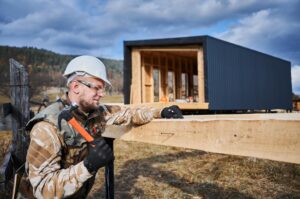
The Future of Tiny Homes Continues To Grow
Tiny homes have come a long way, they used to be seen as a novelty. now they are being embraced as a viable housing option by many, tiny homes are being made to be more off-grid friendly than ever before. designs are also being made more appealing and comfortable, with many tiny home owners feeling like they are living in a luxury cabin. experienced tiny home builders are rising to the occasion with these trends and are also making improvements to their own processes every year.
This means that buyers have more options than ever before. this is great news for tiny home buyers, but it also means that it is more important than ever to choose a builder wisely, as there are many who are new to the industry and are looking to capitalize on the popularity of tiny homes without the necessary experience.
Conclusion
Choosing the right tiny house builders isn’t just another item on your checklist. It’s the decision that shapes everything else. A well-built tiny home should feel comfortable years after move-in, not just impressive on delivery day. Spend time asking questions, comparing workmanship, and understanding how each builder approaches design, construction, and customer support. The best projects usually come from conversations, patience, and realistic expectations instead of quick decisions. When you work with experienced tiny house experts, you’re investing in more than a structure. You’re creating a home designed around the way you actually live, and that’s something worth getting right the first time.
Frequently Asked Questions
1. How do I choose reliable tiny house builders?
Look for builders with completed projects, verified customer reviews, transparent pricing, clear communication, and experience specifically in tiny home construction rather than general residential building.
2. How long does it take to build a tiny house?
Most custom tiny homes take anywhere from two to six months, depending on design complexity, material availability, weather conditions, and the builder’s current project schedule.
3. Are tiny homes cheaper than traditional houses?
They often cost less overall, but custom features, premium materials, specialized trailers, and unique layouts can increase the final price. Quality construction should always take priority over the cheapest quote.
4. Can tiny homes be built for off-grid living?
Yes. Many tiny homes can include solar panels, composting toilets, rainwater collection systems, battery storage, and energy-efficient appliances, making off-grid living practical with proper planning.