Packaging has become more than a protective layer around a product. In retail, it can influence how customers perceive quality, understand what is inside a package, and decide whether a product deserves closer attention. This has increased interest in packaging formats that combine practical protection with product visibility.
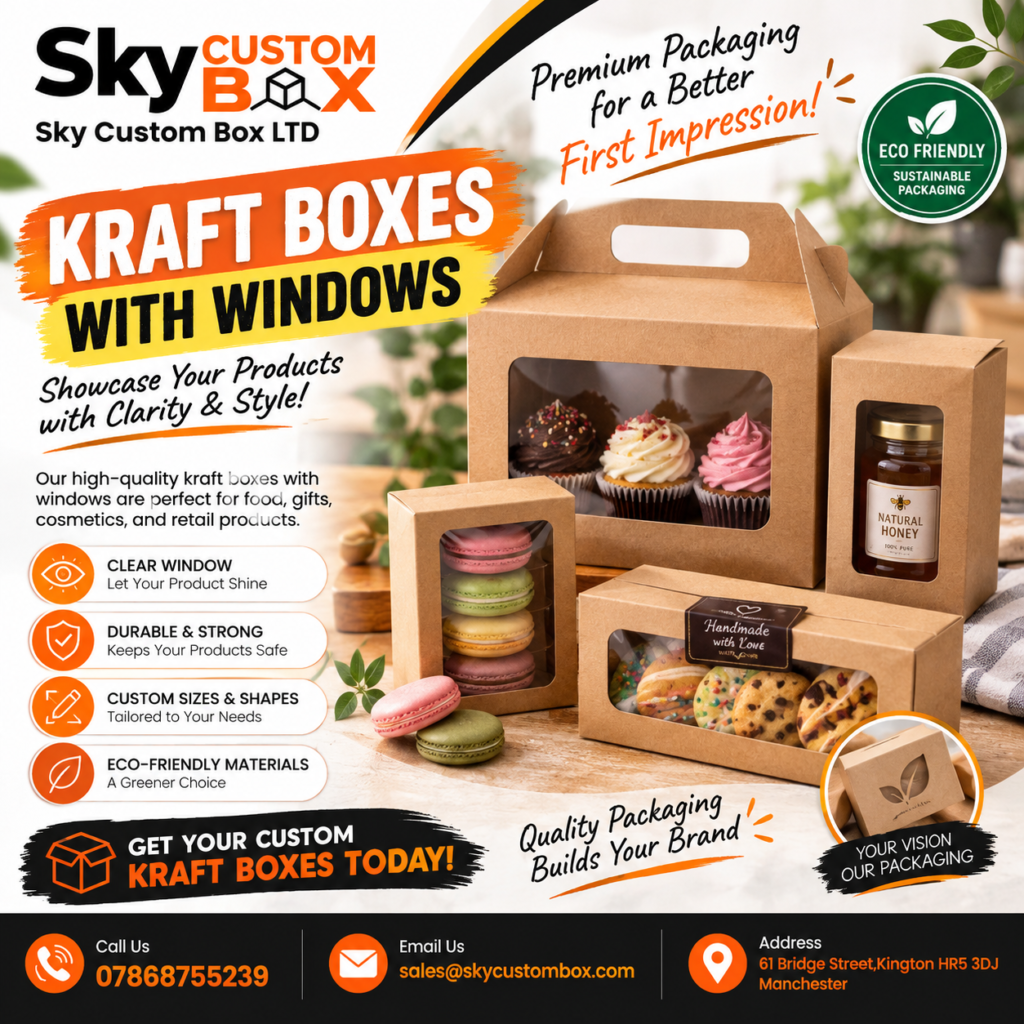
Among these options, kraft boxes with windows have become a useful choice for businesses selling food, gifts, cosmetics, bakery products, handmade goods, and other retail items. The combination of kraft board and a transparent window allows customers to see part of the product while maintaining the natural appearance associated with kraft packaging.
For retailers and product manufacturers, understanding how windowed kraft packaging works can help with decisions about material selection, design, sustainability, presentation, and product protection.
What Are Kraft Boxes with Windows?
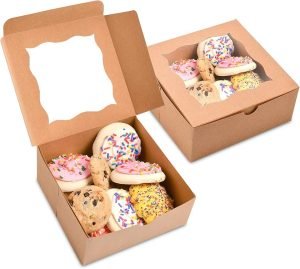
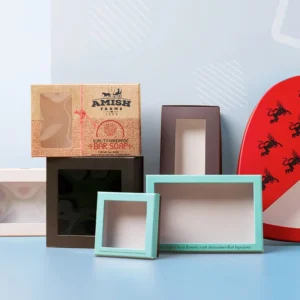
Kraft boxes with windows are paperboard or corrugated packaging boxes manufactured from kraft-based materials and fitted with a transparent section. The window may be placed on the lid, front panel, or another suitable surface depending on the product and box structure.
The kraft material typically provides a natural brown or neutral appearance, while the transparent window creates a visual connection between the packaged product and the customer.
Common applications include:
- Bakery and confectionery products
- Cookies, cupcakes, and traybakes
- Handmade soaps and cosmetics
- Candles and small home products
- Gifts and seasonal products
- Jewellery and accessories
- Small retail products
- Crafts and artisan goods
The design can range from simple folding cartons to more structured presentation boxes. Window size, placement, board thickness, printing, closure style, and internal inserts can all be adjusted according to the packaging requirements.
Why Window Kraft Boxes Are Increasingly Popular
One reason window kraft boxes have gained attention is that they address two important packaging requirements at the same time: presentation and protection.
Traditional opaque packaging hides the product until the customer opens it. A transparent window can provide an immediate preview, which can be particularly useful when appearance is an important part of the purchasing decision.
For example, a bakery may use a window to display decorated cupcakes or freshly prepared pastries. A gift retailer can use the same concept to showcase the contents of a carefully arranged gift set.
Several practical advantages contribute to their popularity.
Product Visibility
The transparent section allows customers to inspect the product without opening the package. This can communicate information about colour, shape, size, texture, or presentation.
Natural Visual Appeal
Kraft board has a distinctive paper-based appearance that is often associated with simplicity and natural design. When combined with a window, it can create a balance between an understated exterior and visible product presentation.
Branding Opportunities
Although kraft packaging can work effectively with minimal printing, businesses can add logos, product information, illustrations, colours, or other brand elements. The design should remain readable and functional rather than allowing decoration to interfere with product visibility.
Flexible Applications
A well-designed kraft window box can be adapted for different industries. The same basic concept can be modified for bakery products, retail goods, cosmetics, gifts, and handmade products by changing dimensions, materials, closures, and internal support.
Choosing the Right Kraft Window Box
Selecting packaging should begin with the product rather than the appearance of the box. A visually attractive package may still perform poorly if its dimensions, board strength, or internal structure are unsuitable.
Businesses should consider several factors before selecting kraft window boxes.
1. Product Dimensions
Measure the product carefully, including its height, width, depth, and any components that need additional space. Packaging that is too tight can damage the product, while excessive empty space can increase movement and reduce presentation quality.
2. Material and Board Thickness
Different products require different levels of structural protection. Lightweight products may work with folding carton board, while heavier or fragile products may require stronger paperboard or corrugated construction.
The appropriate material depends on product weight, transportation conditions, stacking requirements, and expected handling.
3. Window Material
The transparent section should be selected according to the intended application. Factors such as clarity, flexibility, product contact, moisture exposure, and recyclability may influence material selection.
For food-related packaging, businesses should also consider applicable food-contact requirements and supplier documentation.
4. Closure and Assembly
A box may use tuck flaps, locking tabs, adhesive construction, sleeves, or other closure methods. The choice affects how quickly the packaging can be assembled and how securely the product remains inside.
5. Internal Protection
Fragile or irregularly shaped products may require inserts, dividers, trays, or protective paper. A window does not replace the need for internal protection where products are likely to move during transportation.
Common Challenges and Practical Solutions
While window packaging provides useful benefits, it also introduces design considerations that should not be overlooked.
Balancing Visibility and Protection
A large transparent window can improve product visibility but may reduce the amount of solid board available for structural support. The solution is to position the window strategically rather than simply making it as large as possible.
Maintaining Product Presentation
Products can shift inside a box during transport, making the display less attractive. Inserts or appropriately sized internal spaces can help maintain positioning.
Managing Moisture
Certain products, particularly food and bakery items, may be affected by humidity. Packaging materials should therefore be selected according to the product’s moisture requirements and storage environment.
Sustainability Considerations
Kraft packaging is often associated with environmentally conscious packaging, but the environmental impact depends on the complete packaging system.
Businesses should consider:
- The source of the paperboard
- Recycled content
- Responsible fibre sourcing
- Window material
- Adhesives and coatings
- Printing processes
- Packaging weight
- End-of-life disposal
It is important not to assume that every kraft package is automatically recyclable or compostable. The complete construction and local waste-management infrastructure determine what happens after use.
How Businesses Can Improve Packaging Performance
Effective packaging design involves more than selecting a material. Testing can reveal problems before packaging is introduced at scale.
A practical development process may include:
- Measure the product accurately.
- Create an initial packaging structure.
- Test product fit and presentation.
- Check the strength of closures and seams.
- Evaluate the window position and visibility.
- Conduct basic handling and transport tests.
- Review the packaging after repeated handling.
- Make structural adjustments before larger production runs.
For businesses developing custom packaging, working with an experienced packaging provider can also help identify suitable box structures and material specifications. Companies such as Sky Custom Box can serve as an example of the type of specialist supplier businesses may consult when evaluating custom packaging formats.
The goal should be to create packaging that performs consistently throughout its intended lifecycle rather than focusing exclusively on shelf appearance.
Applications Across Retail and Packaging
The versatility of the kraft window box makes it relevant to a broad range of retail categories.
In the food sector, windows can help customers view bakery items, confectionery, snacks, and gift foods. Product visibility is particularly valuable where appearance communicates freshness or craftsmanship.
In cosmetics and personal care, kraft packaging can provide a simple presentation while allowing selected products or components to remain visible.
For handmade and artisan businesses, natural kraft board can complement products where craftsmanship and simplicity are part of the brand identity.
Gift packaging is another important application. A window can reveal part of the contents without requiring the recipient to open the package, creating an element of anticipation while keeping the products protected.
Retailers can also combine windowed packaging with labels, stickers, printed information, or minimalist graphics to create a consistent presentation across multiple product lines.
The Future of Kraft-Based Window Packaging
Packaging trends continue to move toward designs that balance aesthetics, functionality, and responsible material use. Customers increasingly encounter packaging that uses fewer unnecessary components while still providing clear product information and visual appeal.
For manufacturers and retailers, this means packaging decisions are becoming more strategic. Instead of asking only how a package looks, businesses need to consider the complete customer and product journey.
Important questions include:
- Does the package protect the product adequately?
- Can customers understand what they are purchasing?
- Is the packaging easy to assemble and use?
- Does the design support efficient storage and transportation?
- Can the materials be responsibly managed after use?
- Does the package communicate the intended brand identity?
These considerations can help businesses avoid unnecessary packaging changes and develop formats that work across both retail environments and fulfilment operations.
Conclusion
Kraft boxes with window provide a practical combination of product visibility, structural packaging, and natural visual appeal. Their applications range from bakery and food products to gifts, cosmetics, handmade goods, and general retail.
Read More;