Being invited to a media interview can be an exciting opportunity for a business executive. It allows leaders to share their expertise, explain company developments, and connect with a wider audience. However, speaking to a journalist is different from presenting at a meeting or discussing business with colleagues. Questions may be unexpected, responses may be shortened for publication, and every statement can influence how an audience perceives the speaker.
For executives in Vancouver, preparing before the first interview can make a meaningful difference. Whether the interview concerns a company announcement, an industry trend, a new product, or a challenging business issue, preparation helps leaders communicate with clarity and confidence.
Why a First Media Interview Requires Preparation
Executives often have extensive knowledge of their industries, but subject expertise does not automatically translate into effective media communication. An interview requires the ability to explain complex information in simple language while remaining composed under pressure.
Journalists may ask direct questions, request specific examples, or explore subjects the executive did not expect to discuss. Without preparation, a speaker might provide overly technical answers, lose focus, or share more information than intended.
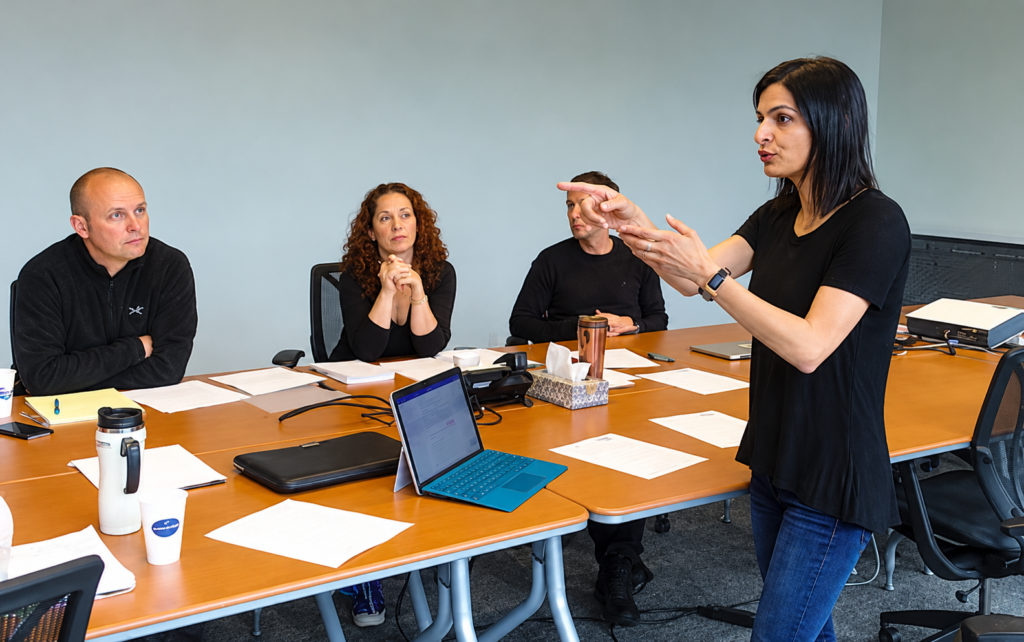
Media training helps executives understand the interview process and develop a practical approach to answering questions. It also gives them an opportunity to practise before facing a real journalist, reducing uncertainty and helping them identify areas that need improvement.
Understand the Purpose of the Interview
Before accepting an interview, executives should understand why the journalist wants to speak with them. Is the story about a business development, a new industry regulation, a local economic issue, or a wider trend affecting customers?
Knowing the interview’s purpose helps a spokesperson prepare relevant information rather than attempting to discuss everything about the company.
Executives should consider three important questions:
- What is the main subject of the interview?
- What information will the audience find most useful?
- What key points should the audience remember afterward?
These questions help establish a clear direction. Instead of preparing a lengthy speech, executives can focus on a few relevant messages supported by facts, examples, and explanations.
Learn How to Answer Difficult Questions
One of the biggest concerns for first-time interviewees is the possibility of being asked a difficult question. A journalist may challenge a business decision, ask about a customer complaint, or request a response to criticism.
Trying to avoid the question or giving an unnecessarily defensive answer can create confusion. A better approach is to listen carefully, acknowledge the issue when appropriate, and respond with accurate, relevant information.
For example, if a journalist asks why a company changed its service policy, an executive should explain the reason for the decision and how it affects customers. A clear response is generally more helpful than a lengthy explanation filled with technical details.
Media training gives executives an opportunity to practise challenging questions in a controlled environment. This preparation can help them recognise unhelpful communication habits, avoid speculation, and respond more thoughtfully when the pressure increases.
Communicate Clearly Without Using Business Jargon
Executives are accustomed to discussing strategy, performance, and technical subjects with colleagues who understand their industry. However, a general audience may not be familiar with the same terminology.
During an interview, complicated explanations can make an otherwise useful answer difficult to understand. The goal should be to make information accessible without oversimplifying the facts.
Executives can improve their communication by:
- Using straightforward language instead of unnecessary technical terms.
- Keeping answers focused on one main idea.
- Supporting explanations with relevant examples.
- Avoiding long introductions before answering the question.
- Checking that important points are easy to understand.
Practising these techniques helps executives explain their work to journalists, customers, employees, and other audiences more effectively.
Prepare for On-Camera Interviews
Television and video interviews introduce additional challenges because audiences notice both what a person says and how they communicate nonverbally. Facial expressions, posture, eye contact, gestures, and vocal delivery can all affect how a message is received.
First-time interviewees may feel uncomfortable looking at a camera or speaking while being recorded. Others may speak too quickly, move their hands excessively, or become distracted by their surroundings.
On-camera practice helps executives become more familiar with the experience. Recording a mock interview and reviewing it afterward can reveal habits that might otherwise go unnoticed.
Executives can practise maintaining a natural posture, speaking at a measured pace, and delivering answers without sounding overly rehearsed. The objective is not to appear perfect. It is to communicate in a way that feels credible, composed, and appropriate for the situation.
Protect Credibility Through Accurate Communication
Every media interview is an opportunity to build trust, but inaccurate or unsupported statements can damage credibility. Executives should verify important figures, confirm relevant details, and distinguish between established facts and information that is not yet confirmed.
If they do not know the answer to a question, guessing is rarely a good strategy. It is better to explain what is known, clarify what still needs to be confirmed, or offer to provide accurate information later when appropriate.
Preparation is particularly important when an interview involves sensitive business matters, customer concerns, or industry developments. Executives should understand which information can be shared publicly and coordinate with the appropriate internal teams when necessary.
Clear, honest communication helps prevent misunderstandings and supports stronger relationships with journalists and audiences.
Why Vancouver Executives Can Benefit From Professional Media Training
Vancouver executives may be asked to comment on local business developments, technology, real estate, tourism, sustainability, employment, and other subjects affecting the region. Even leaders who regularly present to employees or speak at industry events may find media interviews challenging because journalists work within different time limits and editorial requirements.
Professional media training in Vancouver can help executives prepare for these situations through realistic interview practice, constructive feedback, and communication techniques suited to their roles.
A training session can address specific needs, such as preparing for a television appearance, responding to challenging questions, explaining technical subjects, or representing an organization during a significant announcement. This focused preparation helps executives identify weaknesses and practice delivering clear messages before an important interview takes place.
Choosing the Right Media Trainer
The value of media training depends partly on how well the program matches an executive’s responsibilities and communication goals. Before choosing a trainer, professionals should consider the types of interviews they expect to face, their level of experience, and the areas in which they need support.
Useful training should go beyond general presentation advice. It should include opportunities to practise realistic interview scenarios, review responses, and receive specific feedback on message delivery, body language, and handling difficult questions.
Renu Bakshi offers media training designed to help professionals strengthen their communication and prepare for media interactions. Her work can be relevant to executives who want to improve their interview skills, prepare for public appearances, and communicate more effectively when speaking on behalf of their organizations.
Executives looking for tailored preparation can explore Renu Bakshi’s media training services to learn more about available training options.
Make Preparation Part of Your Communication Strategy
An executive’s first media interview does not need to feel like an unfamiliar test. Understanding the interview’s purpose, preparing key messages, practicing difficult questions, and reviewing on-camera delivery can make the experience more manageable.
Preparation also creates benefits beyond a single interview. The same skills can help leaders during press conferences, industry discussions, public presentations, and other situations where clear communication matters.
For Vancouver executives, investing time in media preparation before an interview is an opportunity to communicate with greater confidence, protect professional credibility, and ensure that important messages reach the audience clearly.