Professional natural hairstyles
Maintaining a polished appearance at work does not mean sacrificing the health or natural texture of your hair. Many people rely on flat irons, curling wands, and blow dryers to achieve a neat finish, but frequent heat styling can gradually weaken hair strands and contribute to dryness, breakage, and changes in curl patterns. Fortunately, there are many ways to maintain attractive hairstyles without depending on heated tools. With the right techniques, products, and maintenance habits, natural hair can look professional while remaining healthy and manageable.
Whether you prefer defined curls, elegant buns, twist-outs, braids, or neatly maintained locs, you can create workplace-ready looks without regularly straightening your hair. Professional natural hairstyles offer plenty of opportunities to express personal style while protecting textured hair from unnecessary heat exposure. The key is understanding your hair’s needs and choosing styling methods that complement your lifestyle. A consistent routine can help you maintain confidence at work while supporting long-term hair health.
Understanding How Heat Styling Affects Natural Hair
Heat styling can temporarily change the appearance and structure of natural hair. Tools such as flat irons, curling wands, and blow dryers use high temperatures to reshape hair strands. Although occasional heat styling may be manageable for some individuals, repeated exposure can weaken the hair’s protective outer layer and contribute to moisture loss.
One common concern is heat damage, which may appear as dryness, increased breakage, or reduced curl definition. Hair that previously formed tight curls may begin to look limp or uneven after repeated high-temperature styling. In some cases, the changes can be difficult to reverse without allowing damaged sections to grow out and eventually be trimmed.
The level of risk depends on several factors, including temperature, frequency of use, hair condition, and styling technique. Chemically treated, color-treated, or already damaged hair may require additional care. Using high temperatures on hair that has not been properly prepared can increase the likelihood of damage.
Reducing unnecessary heat exposure is a practical way to support healthier hair. Instead of relying on straightening tools for everyday styling, consider techniques that work with your natural curl pattern. This approach allows you to explore different looks without making heat styling a regular part of your routine.
Choosing Professional Natural Hairstyles Without Heat
There are many attractive ways to style natural hair without using heated tools. The most suitable option depends on hair length, density, curl pattern, and personal preferences. Some styles emphasize natural volume, while others create a more structured appearance suitable for formal office environments.
Defined twist-outs are a popular choice for people who want visible curl definition and natural movement. To create this style, divide clean, conditioned hair into manageable sections and apply a suitable styling product. Twist each section carefully and allow the hair to dry completely before gently separating the twists. The finished look can provide volume and definition without requiring a curling iron.
Braid-outs offer another option for achieving a textured appearance. The process involves braiding damp or lightly moisturized hair and allowing it to dry before unraveling the sections. Depending on braid size and technique, the result may range from soft waves to more defined patterns. This style can be especially useful for individuals who want a controlled appearance while maintaining natural texture.
Wash-and-go styles are also worth considering. After cleansing and conditioning, apply products suited to your hair type to encourage natural curl definition. Allow the hair to dry thoroughly before styling or heading to work. The final appearance will depend on your natural curl pattern, product selection, and styling technique.
Natural Hairstyles for Work That Look Polished and Elegant
Choosing suitable natural hairstyles for work becomes easier when you focus on styles that are comfortable, manageable, and appropriate for your daily activities. Professional appearance does not require completely straight hair or complicated styling. Natural texture can look equally polished when arranged thoughtfully and maintained consistently.
A low natural bun is a simple option for traditional office environments. Gather the hair gently toward the back of the head and secure it with a soft hair tie or suitable accessory. This hairstyle keeps the hair organized while creating a classic appearance. Avoid pulling the hair too tightly, especially around the temples and hairline.
A defined twist-out can be an excellent choice for people who prefer wearing their hair down. It allows natural curls and coils to remain visible while providing a more structured shape. A side part or subtle hair accessory can add a finished touch without requiring additional heat styling.
High puffs and low puff styles are practical alternatives for everyday professional wear. They allow natural texture to remain prominent while keeping the hair away from the face. Depending on your hair length, you can adjust the height and shape to create different appearances. Use a gentle styling method to avoid unnecessary tension.
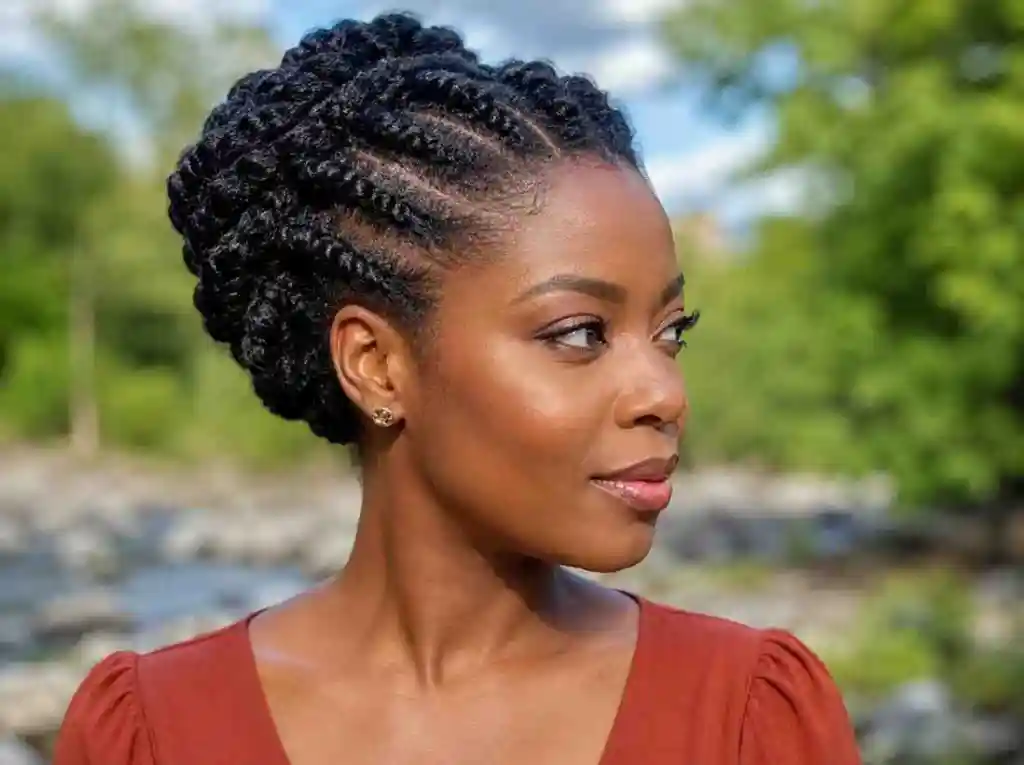
For people who prefer protective options, flat twists and neatly arranged cornrows can create attractive workplace hairstyles. These styles can reduce daily manipulation when installed and maintained correctly. However, they should never be excessively tight, as repeated tension may contribute to hairline damage.
Protective Styling Techniques That Reduce Heat Exposure
Protective styling can help reduce the amount of daily manipulation natural hair experiences. These hairstyles generally keep the ends organized or tucked away, although their effectiveness depends on installation quality and maintenance. Choosing comfortable styles with minimal tension is particularly important for maintaining healthy textured hair.
Braids, twists, and cornrows are common protective styling options. Individual twists can be worn in different lengths and sizes, while cornrows offer a structured appearance that works well for everyday activities. Box braids and knotless braids also provide styling versatility, allowing clients to wear their hair down or arrange it into buns and ponytails.
Before choosing a protective hairstyle, consider your hair’s condition and density. Heavy extensions or excessively tight installations can place unnecessary stress on the scalp. If you experience persistent pain, bumps, or irritation after installation, the style should be adjusted or removed. A professional stylist should prioritize comfort and hair health rather than focusing exclusively on appearance.
Protective styles also require regular care. Keep the scalp clean, follow suitable moisturizing practices, and avoid leaving installations in longer than recommended. Giving your hair appropriate breaks between styles can also help reduce repeated tension and manipulation.
Building a Heat-Free Hair Care Routine
Healthy styling begins with a consistent hair care routine. Natural hair often benefits from regular cleansing, conditioning, gentle detangling, and moisture management. However, the ideal routine varies depending on hair density, texture, scalp condition, and styling habits. Instead of following every popular hair care trend, pay attention to how your own hair responds to different products and techniques.
Start with a suitable cleansing routine to remove excess oil, dirt, and styling product buildup. Follow with a conditioner that provides the level of softness and manageability your hair needs. Deep-conditioning treatments may also be useful when hair feels particularly dry or difficult to detangle. Avoid assuming that more product always produces better results.
Detangling should be performed gently, preferably in manageable sections. Use your fingers or an appropriate wide-tooth comb, starting near the ends and gradually working toward the roots. Applying a suitable conditioner or detangling product can make the process easier. Rushing through tangled sections may cause unnecessary breakage.
Moisturizing is another important part of maintaining textured hair. Depending on your needs, a leave-in conditioner or lightweight moisturizing product may help improve manageability. Pay attention to product buildup, especially if you frequently wear twists, braids, or other protective styles. A balanced routine is generally more useful than applying multiple products without a clear purpose.
How to Maintain Natural Hairstyles During a Busy Workweek
A professional hairstyle should remain manageable beyond the first day. Developing simple maintenance habits can help preserve your chosen look throughout the working week. The best approach is to select hairstyles that fit your schedule rather than choosing complicated options that require constant attention.
Nighttime protection is a useful starting point. Covering your hair with a satin or silk bonnet or using a suitable pillowcase can reduce friction while sleeping. For twist-outs and braid-outs, gently arranging the hair before bedtime may help preserve its shape. In the morning, use your fingers to refresh the style instead of immediately reaching for heated tools.
Humidity and weather conditions can also influence natural hairstyles. Moisture in the air may affect curl definition and cause some styles to become fuller or less defined. Choosing suitable styling products and avoiding unnecessary manipulation can help manage these changes. Keeping a small amount of an appropriate moisturizing product available may also be useful for minor touch-ups.
Regular maintenance appointments can help you monitor your hair’s condition. Trims may be appropriate when the ends become damaged or difficult to manage, while protective styles may need occasional adjustments. If you notice persistent scalp irritation, unusual shedding, or significant breakage, consider consulting an appropriate healthcare professional rather than relying exclusively on cosmetic solutions.
When to Seek Professional Help for Natural Hair Care
Although many natural hairstyles can be created at home, professional guidance can be valuable when you are changing your routine or dealing with styling challenges. An experienced stylist who understands textured hair can evaluate its condition and recommend suitable techniques. This is particularly helpful for people transitioning away from regular heat styling or trying to maintain their natural curl pattern.
During a consultation, explain your hair history, including previous straightening, coloring, chemical treatments, and any concerns about breakage. Ask about heat-free styling options that match your preferred appearance and maintenance schedule. A knowledgeable professional should explain the benefits and limitations of different services rather than promising unrealistic results.
If you occasionally want a silk press or another heat-based service, discuss precautions with your stylist. Appropriate heat protection, careful temperature selection, and proper preparation can help reduce risk, although they cannot guarantee that heat damage will not occur. Reducing the frequency of heated styling remains a practical way to limit repeated exposure.
Choosing a professional who prioritizes healthy hair practices can also make it easier to maintain consistency. Rather than recommending the same products and techniques to every client, a skilled stylist should consider individual hair characteristics and styling goals.
Conclusion
Keeping natural hair professional without heat damage is possible with thoughtful styling choices and consistent maintenance. Twist-outs, braid-outs, natural buns, puffs, cornrows, and carefully maintained protective styles offer attractive alternatives to frequent straightening. These options allow individuals to embrace their natural texture while creating hairstyles suitable for different workplace environments.
Professional natural hairstyles are not limited to one appearance or styling technique. The best choices depend on your hair’s condition, personal preferences, and everyday responsibilities. By reducing unnecessary heat exposure, using appropriate hair care products, and choosing comfortable styling methods, you can maintain natural hair that looks polished and feels manageable. With a consistent routine and suitable professional guidance, natural hairstyles for work can become an enjoyable part of your personal style without compromising long-term hair health.