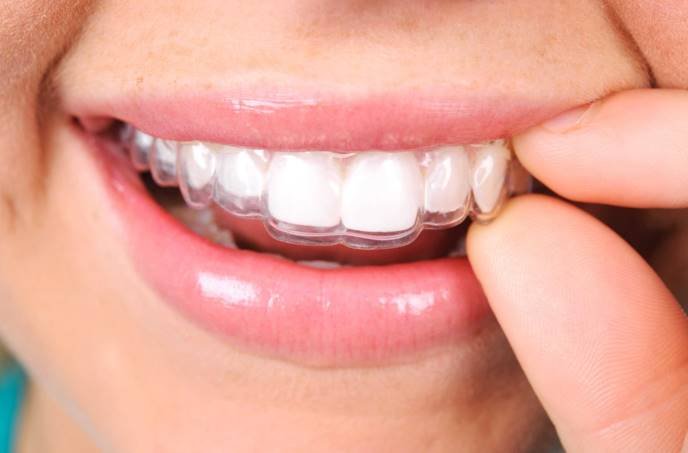
Modern orthodontic treatment has evolved significantly with the introduction of digital technology. Traditional braces are no longer the only option for people looking to improve their smile and correct dental alignment. Clear aligners offer a discreet and convenient approach, allowing patients to straighten their teeth without the appearance of conventional metal brackets and wires. However, successful aligner treatment involves more than simply wearing a series of transparent trays. Careful planning is essential to ensure that each stage of tooth movement supports the intended result.
Digital smile planning plays an important role in modern Invisalign treatment. It allows dental professionals to assess tooth positions, examine the relationship between the upper and lower arches, and develop a personalised treatment strategy. Through digital scans and computer-assisted simulations, patients can better understand the proposed changes before beginning their orthodontic journey.
For individuals considering Invisalign Dubai, understanding how digital smile planning works can help them make informed decisions about their dental treatment. It also explains why accurate assessment, individualised planning, and regular monitoring are important throughout the process.
What Is Digital Smile Planning in Invisalign Treatment?
Digital smile planning is a technology-assisted approach used to evaluate a patient’s existing dental alignment and plan the desired tooth movements. Instead of relying entirely on traditional impressions and physical models, dental professionals can use digital scanning systems to create detailed three-dimensional representations of the teeth.
These digital models help identify different alignment concerns, including crowding, spacing, rotations, and bite irregularities. The information can then be used to develop a customised aligner treatment plan.
Digital planning also helps establish the sequence in which individual teeth should move. Each aligner is designed to apply controlled pressure to specific teeth, gradually guiding them towards their planned positions.
This approach makes it possible to visualise the proposed treatment stages and assess whether the planned movements are appropriate for the patient’s dental structure.
How Does Digital Scanning Improve Treatment Accuracy?
Accurate records are an important starting point for successful orthodontic treatment. Digital scanning helps create detailed images of the teeth and surrounding dental structures without requiring conventional impression materials.
During the scanning appointment, a handheld intraoral scanner captures multiple images inside the mouth. These images are combined to create a three-dimensional digital model.
The resulting model provides useful information about:
- The current position and alignment of individual teeth.
- The amount of space available within each dental arch.
- Areas of crowding and overlapping.
- Gaps between neighbouring teeth.
- The relationship between upper and lower teeth.
- The overall shape and arrangement of the dental arches.
These details allow the dentist to evaluate the patient’s orthodontic needs more precisely.
For example, a patient with mild crowding in the lower front teeth may require a different treatment approach from someone experiencing spacing across both dental arches. Digital records help distinguish between these concerns and support an appropriate treatment strategy.
How Does a Digital Smile Simulation Help Patients Understand Their Results?
One of the most valuable aspects of digital smile planning is the ability to show patients a visual representation of their proposed treatment outcome.
After the initial scans and clinical assessment, digital planning software can generate a simulation showing how the teeth may move throughout treatment.
This visual representation can help patients understand the difference between their current dental alignment and the intended final arrangement.
It can also make discussions about treatment expectations more productive. Rather than relying only on verbal explanations, patients can see how specific alignment concerns may be addressed.
For instance, someone with noticeable gaps between the upper front teeth may be able to view a simulation of how those spaces could gradually close. Similarly, a patient with mild crowding may see how the proposed treatment could improve the arrangement of the front teeth.
However, a digital simulation should be understood as a treatment projection rather than a guarantee of the final result. Actual tooth movement depends on individual biological responses, aligner fit, treatment compliance, and the accuracy of the clinical plan.
Why Is Individual Tooth Movement Planning Important?
Every patient’s teeth have different shapes, positions, and movement requirements. Therefore, an effective aligner treatment plan should not treat all teeth as though they need identical adjustments.
Digital planning allows the dentist to consider the movement required for each individual tooth.
Some teeth may need minor rotations, while others may require changes in their vertical position or movement along the dental arch. Certain cases may also involve creating space before individual teeth can be aligned correctly.
The treatment plan divides these movements into a sequence of stages. Each aligner is manufactured to correspond to a particular stage, helping guide the teeth progressively.
Individual movement planning is especially important when treating:
- Crowded front teeth.
- Uneven spaces between teeth.
- Rotated teeth.
- Mild bite irregularities.
- Teeth that have shifted following previous orthodontic treatment.
By evaluating these concerns separately, the dentist can create a more structured treatment pathway that considers the overall relationship between the teeth.
How Does Digital Planning Influence Aligner Design?
Digital treatment planning directly influences how the clear aligners are designed and manufactured.
Once the digital model and proposed tooth movements have been evaluated, the treatment sequence can be used to produce a series of customised aligners.
Each aligner is shaped to fit the teeth at a particular stage of the treatment process. When worn, it applies controlled forces that encourage the planned movement.
The design process may also incorporate attachments. These are small, tooth-coloured features bonded to selected teeth to help aligners achieve certain movements more effectively.
Their placement and shape depend on the individual treatment requirements.
Digital planning helps determine where these attachments may be needed and how they contribute to the intended tooth movements.
This means aligner design is not simply about producing transparent trays that cover the teeth. It involves coordinating the shape, fit, and progression of each aligner with the patient’s orthodontic needs.
What Role Does Bite Assessment Play in Digital Smile Planning?
A well-aligned smile involves more than straight front teeth. The way upper and lower teeth meet is also an important part of orthodontic treatment.
Bite assessment helps identify whether the teeth come together appropriately when the patient closes their mouth.
Some individuals may have an overbite, underbite, crossbite, or open bite. Others may experience uneven contact between particular teeth.
Digital models allow the dentist to examine the relationship between both dental arches and consider how tooth movement could influence the bite.
For example, aligning crowded upper teeth without considering the lower arch may not address the patient’s complete orthodontic needs. Similarly, closing visible gaps should not be the only objective if the bite also requires attention.
A comprehensive treatment plan therefore considers both appearance and dental function.
This is particularly relevant when planning Invisalign Dubai, as patients may have different reasons for seeking orthodontic treatment, ranging from cosmetic improvements to concerns about their bite and tooth positioning.
Can Digital Smile Planning Help Estimate Treatment Duration?
Digital planning can help dentists develop an estimated treatment timeline based on the number and complexity of the planned tooth movements.
After evaluating the digital scans, the dental professional can estimate how many aligner stages may be required and how frequently patients should change their trays.
However, treatment duration varies considerably between individuals.
Factors that may influence the timeline include:
- The severity of tooth crowding.
- The amount of spacing that needs correction.
- The complexity of individual tooth movements.
- The patient’s bite relationship.
- Consistency in wearing the aligners.
- The need for additional refinement stages.
Patients are generally advised to wear their aligners according to their dentist’s instructions, often for approximately 20 to 22 hours daily.
Removing aligners too frequently or failing to follow the prescribed schedule may affect how closely the teeth follow the planned movement sequence.
Digital simulations provide a useful starting estimate, but the actual treatment timeline may change depending on progress during clinical reviews.
How Does Digital Monitoring Support Treatment Progress?
Digital planning does not end when the first set of aligners is produced. Monitoring remains an important part of the treatment process.
During follow-up appointments, the dentist evaluates whether the teeth are moving according to the treatment plan.
This may involve checking aligner fit, examining specific tooth movements, and reviewing changes in the bite.
If certain teeth are not tracking as expected, the dentist can determine whether adjustments are needed.
In some situations, additional digital scans may be taken to create refinement aligners. These additional trays help address movements that require further correction before treatment is completed.
Digital records can also make it easier to compare the patient’s current alignment with their original dental condition.
This structured monitoring process supports informed clinical decisions and helps keep treatment aligned with the patient’s progress.
What Should Patients Consider Before Starting Invisalign?
Although digital technology makes treatment planning more detailed, the initial dental consultation remains essential.
Before starting treatment, patients should undergo a comprehensive examination to determine whether clear aligners are suitable for their particular dental concerns.
The dentist may assess tooth alignment, gum health, existing dental restorations, bite relationships, and overall oral health.
Patients should also discuss their expectations and understand the proposed treatment stages.
Important considerations include the following:
Treatment suitability: Not every orthodontic concern can be addressed with aligners alone. The dentist should determine whether the patient’s requirements are appropriate for this treatment approach.
Daily commitment: Aligners need to be worn consistently according to professional instructions. Patients should understand the importance of following the prescribed wearing schedule.
Oral hygiene: Teeth should be cleaned regularly, and aligners should be maintained according to the dentist’s recommendations.
Follow-up appointments: Regular reviews help assess treatment progress and determine whether any changes are necessary.
Retention planning: Once active orthodontic treatment is completed, retainers are generally recommended to help maintain the corrected tooth positions.
Discussing these factors before treatment begins helps establish realistic expectations and encourages better participation throughout the process.
Understanding Invisalign Cost in Dubai
The overall cost of clear aligner treatment depends on several individual factors. Digital smile planning is one part of a wider treatment process, and the final treatment plan is developed according to the patient’s dental requirements.
The Invisalign Cost in Dubai may vary depending on the complexity of the alignment concerns, the number of aligners required, the estimated treatment duration, and whether additional refinement stages are necessary.
Other considerations may include the initial consultation, digital scans, clinical reviews, and retention appliances.
Patients should request a personalised treatment estimate following their dental assessment rather than relying on a general price range.
During the consultation, it is useful to ask what is included in the quoted fee and whether additional appointments or refinement aligners are covered.
At Cornerstone Clinic, patients can discuss their orthodontic concerns and explore whether Invisalign treatment is appropriate for their smile goals. A professional assessment helps establish a treatment plan based on individual dental needs.
Conclusion
Digital smile planning has become an important part of modern clear aligner treatment. By combining three-dimensional dental scans, computer-assisted simulations, and individual tooth movement assessments, it helps dentists develop structured and personalised orthodontic plans.
It also gives patients a clearer understanding of the proposed changes, allowing them to discuss their expectations before treatment begins. From evaluating crowding and spacing to assessing bite relationships and designing customised aligners, digital technology supports different stages of the treatment journey.
For anyone considering Invisalign Dubai, the quality of the clinical assessment and treatment planning is just as important as the aligners themselves. Choosing a professional dental team, following the recommended wearing schedule, and attending regular reviews can all contribute to a well-managed orthodontic experience.
At Cornerstone Clinic, an individual consultation can help patients understand their alignment concerns, explore available treatment options, and determine whether digital smile planning and Invisalign aligners are suitable for their dental goals.
Frequently Asked Questions
1. What Is Digital Smile Planning in Invisalign Treatment?
Digital smile planning is a technology-assisted process that uses three-dimensional dental scans and specialised software to assess tooth alignment and plan orthodontic movements. It helps dentists develop an individualised treatment sequence.
2. How Does Digital Scanning Work for Invisalign?
Digital scanning uses a handheld intraoral scanner to capture detailed images of the teeth. These images are combined to create a three-dimensional model that helps the dentist evaluate spacing, crowding, tooth positions, and bite relationships.
3. Can I See My Expected Smile Before Starting Invisalign?
Yes. Digital treatment planning software can generate a visual simulation showing the proposed progression of tooth movements. This helps patients understand the treatment objectives, although the simulation does not guarantee the exact final result.
4. Does Digital Smile Planning Make Invisalign Treatment Faster?
Digital planning helps organise tooth movements and estimate the treatment timeline. However, it does not automatically make treatment faster. Duration depends on the complexity of the case, biological responses, and how consistently patients wear their aligners.
5. How Many Digital Scans Are Needed During Invisalign Treatment?
An initial digital scan is generally required to develop the treatment plan. Additional scans may be taken during treatment when the dentist needs to assess progress, review tooth movements, or prepare refinement aligners.
6. Can Digital Planning Help Correct Crowded Teeth?
Yes. Digital models help dentists assess the location and extent of crowding and plan the movements required to improve tooth alignment. Treatment suitability depends on the severity of crowding and the patient’s overall dental condition.
7. Why Is Bite Assessment Important Before Invisalign?
Bite assessment helps identify how the upper and lower teeth meet. Evaluating the bite alongside tooth alignment allows the dentist to develop a treatment plan that considers both smile appearance and dental function.
8. How Much Does Invisalign Cost in Dubai?
The Invisalign Cost in Dubai varies according to treatment complexity, the number of aligners required, treatment duration, and any additional refinement stages. A personalised estimate can be provided after a professional dental examination.
9. How Long Should I Wear Invisalign Aligners Each Day?
Patients are commonly advised to wear their aligners for approximately 20 to 22 hours daily. They should follow their dentist’s instructions regarding removal, cleaning, and changing to the next aligner.
10. Is Digital Smile Planning Suitable for Everyone?
Digital smile planning can support the assessment of many orthodontic cases, but the suitability of Invisalign depends on individual dental conditions. A dentist must examine the teeth, gums, and bite before recommending treatment.
11. What Happens If My Teeth Do Not Follow the Digital Treatment Plan?
If teeth do not move as expected, the dentist can assess aligner fit and treatment progress. Additional scans and refinement aligners may be recommended to address movements that require further correction.
12. Why Should I Choose a Professional Consultation Before Invisalign?
A professional consultation helps determine whether clear aligners are appropriate for your dental needs. It also allows the dentist to assess your bite, discuss expected outcomes, explain the treatment stages, and provide an individualised treatment estimate.