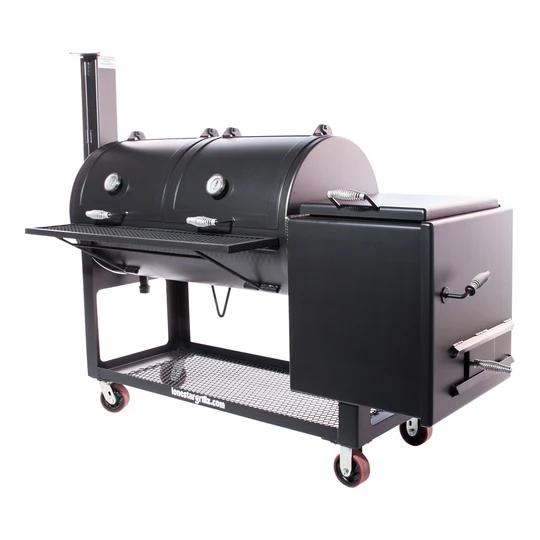
Good barbecue takes time. There is no real shortcut around that. You need the right meat, good wood, steady heat, and a smoker that does not make the whole cooking process harder than it needs to be. This is where choosing between insulated BBQ smokers and a pellet smoker becomes important.
Both options have their place. Some people want to control every part of the fire, while others prefer a smoker that handles most of the temperature work for them. Neither approach is wrong. It depends on how you cook, how much time you have, and what kind of flavor you want on the plate.
If you are planning to buy a smoker for your backyard or outdoor cooking space, it helps to understand what makes these two styles different. Let’s get into it without making things more complicated than they need to be.
1. What Makes Insulated BBQ Smokers Different?
An insulated BBQ smoker is built to hold heat more effectively than a smoker with a single, uninsulated metal wall. Many models use a double-wall construction with insulation between the layers. This design helps reduce heat loss and keeps the cooking chamber more stable.
Why does that matter? Because barbecue is all about controlling temperature over a long period. When you are cooking brisket for several hours, you do not want to keep fighting the fire just to maintain a reasonable cooking temperature.
Insulated smokers help reduce the impact of changing outdoor conditions. Cold mornings, wind, and cooler evenings can all affect how a smoker performs. Better insulation helps limit those effects, although the results still depend on the smoker’s design, fuel, airflow, and construction.
These smokers are worth considering for people who cook large cuts of meat regularly. Brisket, pork shoulder, ribs, and other slow-cooked favorites all benefit from steady heat.
Of course, insulation does not mean you can ignore the fire completely. You still need to learn how your smoker works. But it can make the process less demanding.
2. Why Heat Retention Matters During Long BBQ Sessions
Anyone who has cooked brisket overnight knows that maintaining temperature is not always easy. You might start with a good fire, get the cooking chamber where you want it, and then notice the temperature dropping as the weather changes or the fuel burns down.
An insulated smoker can help reduce these fluctuations by slowing the transfer of heat through its walls. That means the cooking chamber may hold its temperature more consistently, depending on the model and conditions.
There is another practical benefit. A well-insulated smoker can sometimes use fuel more efficiently because less heat escapes through the body. You may not need to burn as much fuel to maintain the same cooking temperature, though actual consumption varies from one smoker to another.
For people who cook often, these small differences add up. Less time managing temperature means more time preparing food, checking the meat, or simply enjoying the day with family and friends.
That is one reason serious barbecue enthusiasts look closely at insulated BBQ smokers when comparing long-term cooking equipment.
3. Understanding How a Pellet Smoker Works
A pellet smoker takes a different approach to temperature management. Instead of relying entirely on manually managed wood or charcoal, it uses compressed wood pellets as fuel. An electric controller operates a feed system that delivers pellets into the firepot as needed.
You select a target temperature, and the controller adjusts pellet delivery to help maintain it. Depending on the model, the smoker may also use sensors and fans to regulate heat and airflow.
For someone who wants barbecue without constantly adjusting the fire, this can be a useful setup.
Pellet smokers are especially appealing to beginners because the controls are relatively straightforward. You do not have to learn every detail of fire management before cooking your first pork shoulder. There is still a learning curve, naturally, but getting started can be easier.
The trade-off is that pellet smokers depend on electricity and electronic components. If you are planning to cook somewhere without a reliable power supply, that is something to consider before buying.
Pellet quality also matters. Different wood varieties can produce different smoke characteristics, and the results depend on the smoker’s design and cooking temperature.
4. Insulated BBQ Smokers vs. Pellet Smokers for Flavor
Let’s talk about the part most people care about: flavor.
An insulated smoker can be built around a traditional wood or charcoal fire, depending on its design. This gives the cook direct involvement in fuel selection, fire size, and airflow. If you enjoy tending a fire and learning how smoke behaves, that level of control can be rewarding.
A pellet smoker also uses wood for flavor, but the pellets are fed into a controlled fire system. The smoke profile can differ from that of a traditional offset or charcoal smoker. Some pellet models produce a lighter smoke flavor, especially when operated at certain temperatures.
That does not automatically make one better than the other. A pellet smoker can turn out excellent barbecue, while an insulated wood-fired smoker can produce rich, traditional results in experienced hands.
The meat itself matters too. Quality brisket, proper seasoning, sensible temperature management, and enough resting time all play a part.
If you prefer a hands-on approach and want to experiment with fire and smoke, an insulated wood-fired smoker may be more satisfying. If convenience is higher on your list, a pellet smoker is worth a serious look.
5. Which Smoker Is Easier to Use Every Day?
The honest answer is that it depends on your routine.
A pellet smoker is usually easier to operate when you want to set a temperature and let the controller handle much of the work. You still need to monitor the cook, keep the hopper supplied, clean the equipment, and check that the temperature is behaving as expected. It is not completely hands-off.
An insulated BBQ smoker, on the other hand, may require more attention to fuel and airflow. How much work it needs depends on its design. Some insulated cabinet smokers are relatively straightforward to manage, while traditional offset smokers require more active fire tending.
Think about how you actually plan to use the equipment. If weekend cooking is a family activity and you enjoy spending time around the fire, manual control may be part of the fun.
But if you want to start a cook before settling down to other tasks, automated temperature management could be more attractive.
Do not buy a smoker based only on what looks impressive in a photograph. Choose one that fits your cooking habits.
6. Fuel Use, Cleaning, and Long-Term Maintenance
Fuel costs are worth considering, especially if you cook several times a month.
Insulated BBQ smokers can retain heat effectively, potentially reducing the amount of fuel needed to maintain cooking temperatures. However, consumption depends on the cooking chamber, outside temperature, airflow, cooking temperature, and how often the smoker is opened.
Pellet smokers consume pellets according to their operating conditions. Higher temperatures and cold weather can increase fuel use, and the pellet feeder, firepot, and other components need regular attention.
Cleaning is important with both types. Grease buildup, ash, and food residue should not be ignored. Pellet smokers generally require ash removal and occasional cleaning of the firepot and grease management system. Wood- or charcoal-fired insulated smokers also need ash removal and regular checks for grease and residue.
You should also inspect seals, doors, grates, and other components as needed. A smoker can be built well and still suffer if it is neglected.
The purchase price is only one part of the cost. Fuel, replacement parts, cleaning supplies, and maintenance all deserve a place in your decision.
7. Choosing the Right Smoker for Your Outdoor Cooking Space
Before buying, consider the amount of food you usually cook. Someone preparing two pork shoulders for a family gathering may need a different setup from someone cooking multiple briskets for a large event.
Cooking capacity matters, but so does available space. Measure the area where you plan to place the smoker. Leave suitable clearance from buildings and combustible materials, and follow the manufacturer’s outdoor-use and ventilation instructions.
An insulated smoker may suit people who want strong heat retention and a traditional fire-based cooking experience. A pellet smoker may suit those who value automatic temperature control and straightforward operation.
Also consider build quality. Look at the materials, door fit, cooking grate space, access for cleaning, and the quality of the temperature controls if the smoker uses electronics.
If you are investing in equipment that you expect to use for years, these details matter more than flashy extras.
Take your time comparing models. The right smoker is the one that works for your food, your space, and your budget without making every cook a struggle.
8. How Lone Star Grillz Can Help You Find Your BBQ Setup
Finding the right barbecue equipment starts with understanding what you want from it. Some cooks prefer traditional fire management, while others want a more automated experience. There is no reason to choose a particular style just because everyone else seems to be using it.
Lone Star Grillz offers barbecue equipment for people who take outdoor cooking seriously. When exploring your options, consider the smoker’s construction, cooking capacity, heat management, and the kind of barbecue you want to prepare.
If insulated BBQ smokers are on your shortlist, pay attention to how the cooking chamber is built and how easily you can manage the fire. If you are considering a pellet smoker, look into its temperature controls, pellet capacity, cleaning requirements, and electrical needs.
It is also worth thinking about your future plans. Maybe you currently cook for a few friends, but you want to host larger gatherings later. Choosing suitable capacity now can save you from wanting to upgrade too soon.
You do not need the most complicated setup to make great barbecue. You need equipment that fits your needs and the willingness to learn how to use it properly.
Final Thoughts: Find the Smoker That Fits Your Style
Great barbecue does not come from equipment alone, but the right smoker certainly makes the job easier. Insulated BBQ smokers offer useful heat retention for long cooks, while a pellet smoker provides convenient temperature management for people who want a simpler cooking routine.
Take a little time to decide what matters most to you. Do you enjoy managing a real fire, or would you rather let a controller handle much of the temperature work? Are you cooking for your family, or do you need room for bigger BBQ gatherings?
Frequently Asked Questions
1. Are insulated BBQ smokers better than regular smokers?
Insulated BBQ smokers can retain heat more effectively and help reduce temperature fluctuations. They may also use fuel more efficiently under suitable conditions. However, performance depends on construction, design, weather, and fire management. The best choice depends on your cooking style and budget.
2. Is a pellet smoker good for beginners?
Yes. Pellet smokers are generally beginner-friendly because their electronic controllers help maintain the selected cooking temperature. You still need to monitor food, manage fuel, and clean the smoker, but the process can be easier than manually controlling a traditional wood fire.
3. Can a pellet smoker produce a strong smoky flavor?
Yes, a pellet smoker can produce a noticeable smoky flavor. The intensity depends on the wood pellets, cooking temperature, smoker design, and cooking time. Some pellet smokers create a milder smoke profile than traditional wood-fired smokers, so results can vary.
4. How do I choose between an insulated smoker and a pellet smoker?
Choose an insulated smoker if heat retention and hands-on fire management are important to you. Consider a pellet smoker if you prefer convenient temperature controls and a more automated cooking process. Compare capacity, construction, maintenance, fuel costs, and available space before making your decision.