Bare soil is a problem in North Texas. A hard rain can strip it from a slope in minutes, a hot week can bake it into a crust, and a few windy days can turn it into dust. Hydromulching covers that ground quickly with a sprayed layer of fiber mulch that shields the soil and helps plants take hold. Hydromulching Services in North Texas are used on construction sites, slopes, new lawns, drainage areas, and open land. This guide explains what hydromulching is, the different types of mulch, where it works best, and what to ask a contractor before you start.
What hydromulching is and how it differs from hydroseeding
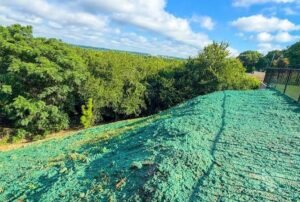
Hydromulching is the process of spraying a slurry of water and mulch over bare ground. The mulch is usually made from wood fiber, paper fiber, or a blend, and it often includes a binder and a green dye that shows where the crew has sprayed. The result is a thin, even blanket that covers the soil, holds in moisture, softens the impact of raindrops, and gives seeds and young plants a protected place to grow. Hydroseeding is closely related, but it adds grass seed and fertilizer to the same mix. Hydromulching on its own is used when seed is already in the ground, when you want to protect soil temporarily, or when you plan to plant later. Many contractors offer both, and the right choice depends on what the site needs.
Why soil stabilization matters in North Texas
Anyone who has watched a storm cross the area knows how quickly water can move. Hydromulching Services in North Texas help keep soil from washing into streets, storm drains, creeks, and neighboring yards. The clay soil common in the region tends to form a hard crust in dry weather, which sheds water and increases runoff when rain arrives. A layer of mulch breaks that crust, slows water down, and helps rain soak in. It also shades the surface in summer heat, which reduces moisture loss and keeps seed from drying out. Heat and drought add to the problem, since sparse plants cannot hold soil. Disturbed ground from construction is especially vulnerable, and many sites have stormwater rules that require covering exposed soil, so ask what applies to your project. Covering the ground early usually costs less than repairing gullies and cleaning up sediment later.
Types of hydromulch and when to use each
Not all hydromulch is the same, and the type should match the site. Wood fiber mulch is common for flat or gently sloped areas and short-term protection while grass establishes. Paper-based mulch is lighter and often used on smaller, low-risk areas. Bonded fiber matrix products contain a strong binder that forms a protective crust over the soil, which suits steeper slopes and areas with heavy runoff. Flexible growth media are another heavy-duty option that helps both erosion control and plant growth on difficult ground. Tackifiers can be added to standard mulch for extra hold. Some products need a day or two without rain to cure. Heavier products usually cost more and last longer, so the best choice depends on slope, rainfall, schedule, and how long you need the protection. Ask your contractor to explain why they chose a product.
Where hydromulching is used
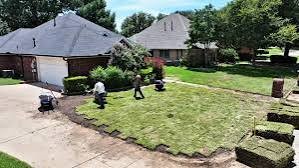
Hydromulching Services in North Texas show up on projects of many kinds. Developers cover graded lots and common areas while construction continues. Contractors protect slopes along roads, drainage channels, retention ponds, and utility corridors. Homeowners and property managers use it to protect newly seeded lawns, repair washed-out areas, and stabilize hillsides behind a home. It also helps on land that needs temporary cover before landscaping begins. Because the mulch is sprayed, it can reach steep banks and uneven ground where straw or blankets are hard to install. Straw can also blow away in strong wind and may carry weed seeds, which is another reason people choose hydromulch. The goal is the same in each case: keep the soil in place while plants take hold.
Site preparation and application
A good application starts with a proper surface. The ground should be graded, cleared of large debris, and roughened slightly so the mulch can grip it. If seed or fertilizer is going in, it is usually applied before or mixed into the slurry. Drainage should be handled first, because water running across fresh mulch will wash it away. The crew sprays from a tank on a truck or trailer, moving in even passes to cover the ground without leaving gaps, and the dye shows missed spots. Slopes may need extra passes so the mulch reaches every edge. Timing matters too. Avoid spraying right before a heavy storm, since the mulch needs time to dry and set. After application, keep traffic off the area, and water seeded areas as the contractor directs.
Choosing a hydromulching contractor
When comparing Hydromulching Services in North Texas, ask for a written proposal that lists the area to be covered, the type of mulch, the application rate, and the price. Confirm that the company has liability insurance and equipment suited to your site, such as a tank with enough reach for slopes. Ask for photos or references from jobs similar to yours, especially slopes or projects with stormwater requirements. Find out how long the product is expected to protect the soil, what happens if a storm damages it, and whether touch-ups are included. If seed is part of the work, ask which grass they suggest and when to plant. Ask how soon they can start and how long the work will take. Be careful with bids that do not name the product, since a cheaper mulch may not stand up to heavy rain.
Conclusion
Hydromulching is a simple way to protect soil, hold moisture, and support plant growth in a region where storms and heat are hard on bare ground. The right product, good preparation, and careful timing make the biggest difference. When you hire Hydromulching Services in North Texas, ask what type of mulch they recommend and why, and get the details in writing. Cover exposed ground early, and plan for follow-up care so plants can establish. A little planning before the first rain can prevent costly cleanup. A well-done application can keep soil where it belongs and give your landscape a stronger start.