Packaging plays an important role in how products are transported, presented, and handled. For retailers, cafés, food businesses, market traders, and e-commerce brands, the choice of carrier bag can influence both operational efficiency and customer perception. Among the many packaging options available today, kraft paper bags UK businesses use continue to attract attention because they combine practicality, simple presentation, and flexible applications.
The growing focus on responsible packaging has also encouraged businesses to reconsider materials, sizes, quantities, and end-of-life considerations. Kraft paper is particularly relevant in this discussion because paper-based packaging can be incorporated into recycling systems where suitable local facilities are available.
What Makes Kraft Paper Bags Useful?
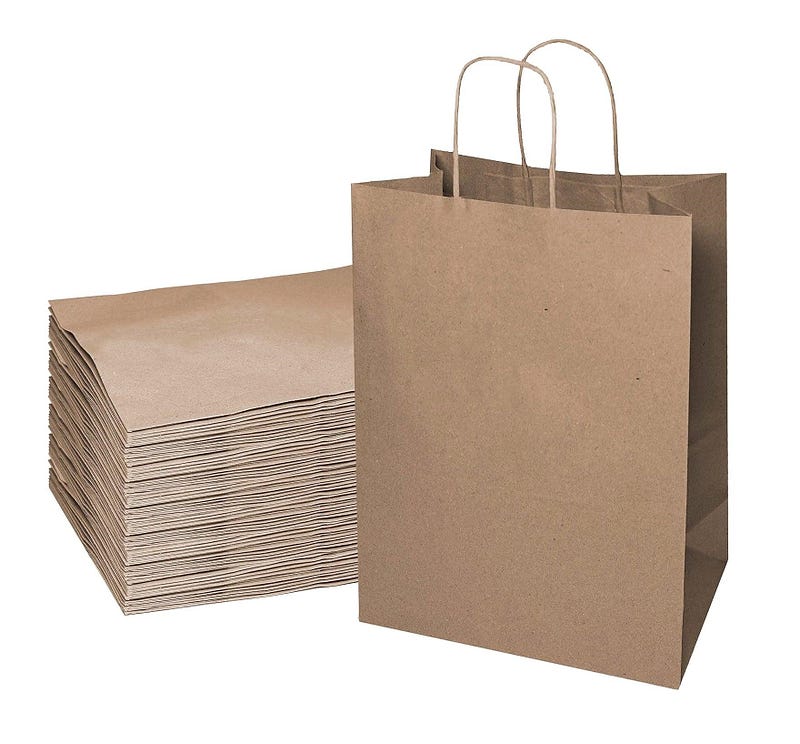
Kraft paper is produced from wood pulp using a process designed to preserve the strength of the paper fibres. This gives kraft paper bags useful structural properties for carrying a variety of lightweight and moderately weighted products.
The familiar natural brown appearance is one of the material’s most recognisable characteristics. Brown kraft paper bags can provide a straightforward, understated appearance that works across different industries without requiring elaborate printing.
Common applications include:
- Retail purchases and takeaway items
- Bakery and café packaging
- Gifts and promotional merchandise
- Clothing and accessories
- Small e-commerce orders
- Craft and handmade products
- Events, exhibitions, and trade shows
Their versatility makes them suitable for both customer-facing environments and practical day-to-day packaging operations.
Why Businesses Consider Bulk Kraft Bags
Packaging requirements can change considerably depending on business size and sales volume. A small independent retailer may only need a modest supply, while a high-footfall shop, restaurant, or event organiser may use hundreds or thousands of bags over a relatively short period.

This is where kraft bags bulk purchasing can become useful. Ordering larger quantities can simplify inventory management by reducing the frequency of individual packaging orders. It also allows businesses to establish consistent bag sizes and specifications across their operations.
Before committing to bulk kraft bags, however, businesses should consider several factors:
- Bag dimensions: The correct width, height, and gusset depth should match the products being carried.
- Paper weight: Heavier products may require stronger paper or reinforced construction.
- Handle design: Twisted paper, flat handles, or handleless designs suit different applications.
- Storage requirements: Large quantities require a clean, dry area away from excessive moisture.
- Usage frequency: Purchasing should reflect realistic consumption rather than simply focusing on quantity.
Effective stock planning can prevent two common problems: running out of packaging during busy periods and storing excessive quantities that occupy valuable space.
Understanding Sustainability Claims
Sustainability has become a major consideration in packaging decisions, but businesses should look beyond simple material labels. Calling a product “paper-based” does not automatically answer every environmental question.
The overall impact of packaging can depend on factors such as raw material sourcing, manufacturing processes, transportation, product weight, reuse potential, and local recycling infrastructure.

For businesses considering bulk kraft paper bags, useful questions include:
- Is the paper sourced responsibly?
- Is the bag designed for its intended load?
- Can customers reuse the bag?
- Are inks and additional components appropriate for the intended disposal route?
- Does the local recycling system accept the relevant paper packaging?
Using the correct bag for the job can also reduce unnecessary material consumption. A bag that is substantially larger or stronger than required may use more resources without providing a meaningful operational benefit.
Choosing the Right Bags for Different Applications
There is no single kraft bag specification that works for every business. A retailer selling clothing may require a larger bag with handles, while a bakery may prioritise dimensions that accommodate boxes and food containers.
E-commerce businesses face another consideration: packaging needs to work efficiently within delivery processes. Bag dimensions should complement the products being shipped and, where appropriate, be used alongside protective packaging to reduce the risk of damage.
For businesses purchasing bulk kraft paper bags, it is therefore useful to assess actual product dimensions before placing an order. Measuring the widest and tallest products, considering how they are packed, and allowing reasonable space can help determine the most practical bag format.

Tags and Bags, for example, provides kraft paper bag options for UK businesses looking at different retail and packaging requirements. The important consideration is not simply selecting a paper bag, but matching its construction and dimensions to the intended application.
Current Packaging Trends to Watch
The UK packaging sector continues to evolve as businesses respond to changing customer expectations, operational requirements, and environmental considerations. Several trends are particularly relevant to paper carrier bags.
Minimalist branding is increasingly common. Natural kraft surfaces can support simple logos, typography, and restrained visual designs without requiring highly elaborate packaging.
Right-sized packaging is another important consideration. Businesses are paying greater attention to packaging dimensions because oversized packaging can increase material usage, storage requirements, and transportation inefficiencies.
Material transparency is also becoming more important. Rather than relying solely on broad sustainability claims, businesses are increasingly expected to understand what their packaging is made from and how it should be handled after use.
For growing retailers, these trends make packaging selection part of a broader operational strategy rather than simply an aesthetic decision.

Practical Tips for Buying Kraft Paper Bags in Quantity
Businesses considering kraft paper bags bulk orders can improve their purchasing decisions by following a few straightforward steps:
- Analyse average weekly or monthly bag consumption.
- Identify the most frequently used bag sizes.
- Check the bag’s recommended capacity and construction.
- Order samples where possible before committing to large quantities.
- Maintain additional stock before seasonal peaks.
- Store bags in dry conditions to protect their paper structure.
- Review whether plain or printed bags better suit the business’s needs.
These steps can help balance cost, practicality, storage, and presentation.

Conclusion
Kraft paper bags remain a flexible packaging option for many UK retail, hospitality, e-commerce, and event businesses. Their strength, recognisable appearance, and range of available formats make them suitable for numerous everyday applications.
When selecting kraft paper bags UK businesses should consider more than appearance alone. Dimensions, paper weight, handles, storage, usage patterns, and end-of-life considerations all contribute to whether a particular bag is appropriate.
For organisations purchasing kraft bags bulk, careful planning is especially important. Choosing the right specifications and realistic quantities can improve inventory management while ensuring packaging remains functional and appropriate for customers.
Ultimately, effective packaging is about matching the material and design to the product, business operation, and intended customer experience. Kraft paper bags can play a practical role in that process when selected thoughtfully and used for the applications they are designed to support.
Read More :
https://daren339977.affiliatblogger.com/95184211/top-10-benefits-of-using-kraft-paper-bags-for-uk-businesses
https://www.tagsandbags.co.uk/do-shops-have-to-charge-for-paper-bags/