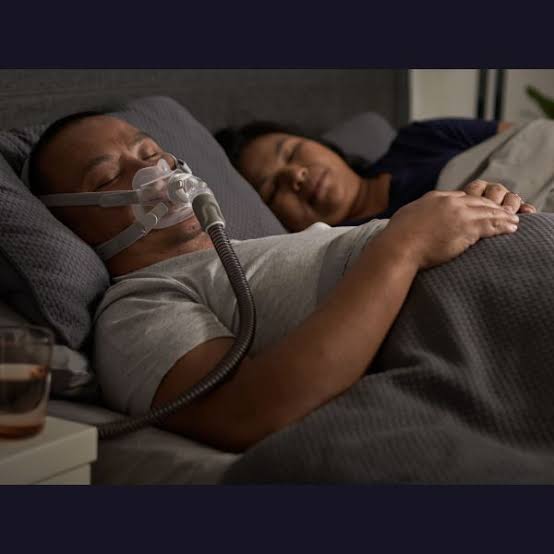
Few things disrupt CPAP therapy more than waking up to a hissing mask leak — or worse, not realizing your seal failed until you check your therapy data the next morning. The good news is that most leaks come down to a handful of fixable causes. Here’s how to identify and solve them.
1. Check Your Mask Size First
The number one cause of leaks is an incorrect mask size. A cushion that’s too small won’t create a full seal, while one that’s too large can bunch up or shift out of place. Most manufacturers, including ResMed, offer printable sizing templates that measure your nose width and nose-to-chin distance — take a few minutes to measure properly before ordering or reordering.
2. Don’t Over-Tighten the Headgear
It’s a common instinct to tighten the straps whenever you notice a leak, but over-tightening often makes things worse. Excess pressure can distort the cushion shape, actually creating gaps instead of sealing them. Headgear should be snug enough to stay in place, but loose enough that you could slide a finger under the straps comfortably.
3. Replace Worn Cushions on Schedule
Silicone cushions naturally lose their flexibility and sealing ability over time. Most, including the cushion on the resmed airfit f20, are designed to last around 1–3 months with nightly use. If you’re experiencing more leaks than usual, check the condition of your cushion — cracking, thinning, or a shiny/hardened texture are signs it’s time for a replacement.
4. Consider Your Sleep Position
Side sleepers in particular are prone to leaks, since the mask can press against a pillow and shift out of alignment. If you frequently sleep on your side, a lower-profile mask design and consistent headgear tension are especially important. Adjusting your pillow to accommodate hose routing can also reduce nighttime tugging on the mask.
5. Mind Facial Hair and Skin Oils
Facial hair — even light stubble — can break a silicone cushion’s seal along the jawline. Washing your face before bed to remove oils and residue also helps the cushion adhere properly, since oil buildup on the skin can reduce the cushion’s grip.
6. Choose a Mask Designed for a Consistent Seal
Some masks are simply better engineered to maintain a seal through movement and changing positions. Full face options like the resmed airfit f20 full face mask use an adaptive silicone cushion designed to flex with facial contours, helping it hold its seal even if you shift positions during the night — a meaningful advantage over older, stiffer cushion designs.
7. Clean Your Mask Daily
Oil, skin cells, and residue build up on the cushion surface every night, gradually reducing its ability to seal properly. Washing the cushion each morning with mild soap and water (for silicone masks) keeps the surface smooth and effective.
8. Get a Professional Fitting If Leaks Persist
If you’ve tried resizing, adjusting headgear tension, and replacing your cushion but leaks continue, it’s worth consulting your CPAP supplier or sleep specialist. Persistent leaks despite proper fit can sometimes indicate an underlying issue with pressure settings or an unusual facial contour that needs a different mask style entirely.
A Reliable Option for Fewer Leaks
If leaks have been an ongoing frustration, upgrading to a well-engineered full face mask can make a real difference. The AirFit F20’s InfinitySeal silicone cushion is specifically designed to adapt to facial movement, helping maintain a consistent seal night after night.
👉 Shop the ResMed AirFit F20 – CPAPMedTrade
Fixing CPAP leaks usually comes down to getting the basics right: correct sizing, proper headgear tension, regular cushion replacement, and daily cleaning. Get those in place, and most nightly leaks disappear.