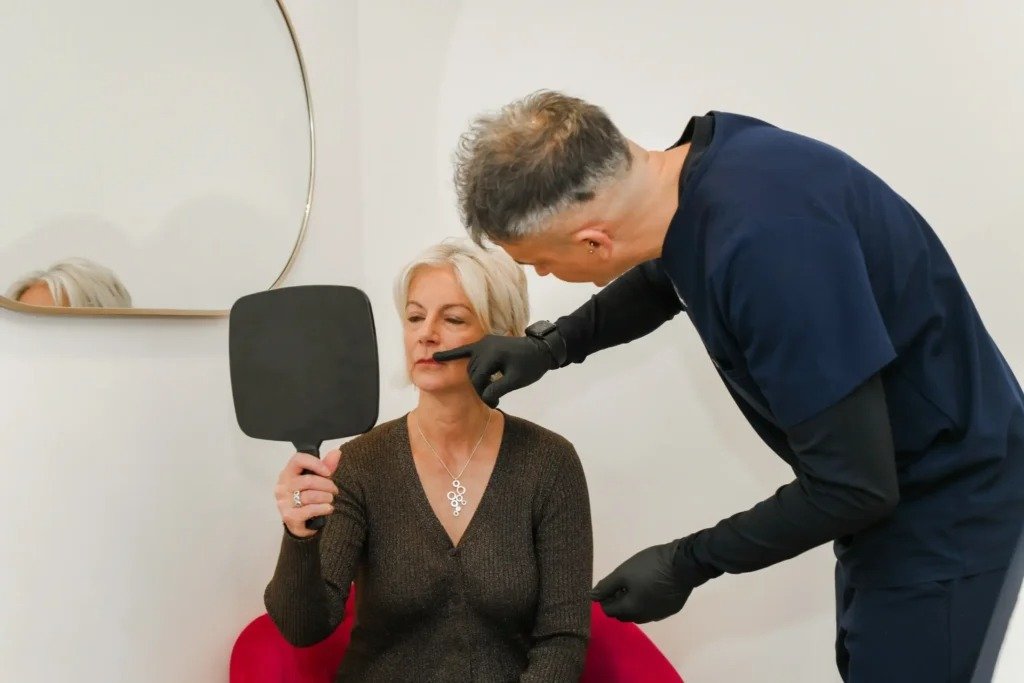
Understanding your skin can sometimes feel surprisingly difficult. A skincare routine that works well for one person may not suit another, while concerns such as pigmentation, redness, congestion and uneven texture are not always easy to assess by simply looking in the mirror.
This is where digital skin analysis can provide a useful additional perspective. By using specialised imaging technology, a professional skin assessment can provide a more detailed picture of visible and underlying skin concerns, helping to inform a personalised skincare approach.
What Is Digital Skin Analysis?
Digital skin analysis uses specialised imaging technology to assess different characteristics of the skin. Rather than relying solely on a visual examination, the process can capture detailed images that help identify and document specific concerns.
The Hamble Clinic’s digital skin analysis assesses areas including fine lines and wrinkles, brown spots and UV-related damage, redness, pore size, congestion, acne activity, texture and hydration.
This information can then form part of a wider consultation rather than being considered a diagnosis on its own.
Why Can Skin Concerns Be Difficult to Identify?
Some skin concerns are obvious, while others may be subtle or difficult to distinguish. For example, someone may notice uneven tone without knowing whether pigmentation, sun exposure, redness or another factor is contributing to the appearance.
Similarly, pores, congestion, hydration and texture can be difficult to evaluate consistently at home.
A structured assessment can therefore provide useful information that may help a practitioner understand what the skin needs and whether changes to a skincare routine or professional treatment should be considered.
What Can a Digital Skin Analysis Look At?
Different imaging systems provide different information, but modern analysis can examine several aspects of skin condition.
Common areas of interest include:
- Fine lines and wrinkles
- Pigmentation and brown spots
- UV-related skin changes
- Redness
- Pore appearance
- Congestion
- Acne activity
- Skin texture
- Hydration
The Hamble Clinic also uses digital imaging to compare skin age with chronological age as part of its assessment.
These observations can help create a more informed starting point for discussing skincare and treatment options.
How Can It Support a Personalised Skincare Routine?
One of the biggest challenges with skincare is knowing which products are actually appropriate for your concerns.
People can easily end up using several active ingredients at once, changing products frequently or following advice from social media without understanding whether it is suitable for their skin.
Digital analysis UK can contribute to a more structured consultation by identifying areas that may need attention. From there, a practitioner can discuss whether options such as medical-grade skincare, chemical peels, microneedling or other treatments may be appropriate.
The Hamble Clinic offers digital skin analysis alongside medical-grade skincare and other skin treatments, allowing recommendations to be considered within a wider personalised plan.
Can Digital Skin Analysis Track Changes Over Time?
Another useful aspect of digital imaging is the ability to repeat assessments.
The Hamble Clinic states that an initial image can be captured during the first consultation and repeated approximately every three months, or when required according to individual skin needs.
Comparing images over time may help demonstrate changes that are difficult to notice from day-to-day. This can be particularly useful when someone is following a structured skincare or treatment plan.
However, images should be interpreted alongside professional assessment rather than treated as a standalone measure of skin health.
Who Might Consider a Digital Skin Analysis?
Digital analysis may be useful for people who are unsure what their skin needs or who have several concerns they would like to understand more clearly.
It may also be helpful for someone starting a new skincare routine or considering professional treatments. Instead of choosing a procedure based solely on an online trend, an assessment can provide a more individual starting point.
Anyone with a persistent or concerning skin change should seek appropriate medical advice rather than relying on cosmetic imaging alone.
What Should You Ask During a Skin Consultation?
A useful consultation should give you an opportunity to ask questions and understand why particular recommendations have been made.
Consider asking:
- What are the main concerns identified?
- Which findings are cosmetic and which may need medical assessment?
- What skincare routine would suit my skin?
- Are professional treatments appropriate?
- What are the alternatives?
- How long should I follow a recommended routine?
- How will progress be monitored?
You should feel comfortable asking for an explanation before deciding whether to proceed with any treatment.
Making Skin Decisions With Better Information
Good skincare starts with understanding your individual needs rather than following every new trend. Digital imaging can provide another layer of information during a professional consultation, helping to identify and monitor characteristics that may not be obvious from a normal visual assessment.
For homeowners considering a Digital Skin Analysis, The Hamble Clinic offers a technology-led assessment as part of its wider personalised approach to skincare.
The most useful outcome is not simply a detailed image of your skin, but a clearer understanding of what your skin may need and which options are worth discussing with a qualified professional.