Custom swimming pool construction
Building a swimming pool is a major home improvement project that requires thoughtful planning and a realistic budget. The final price can vary considerably depending on the property’s conditions, pool design, materials, equipment, and additional outdoor features. Custom swimming pool construction gives homeowners the flexibility to create a pool that suits their lifestyle, but that flexibility also means there is no single standard price for every project. Understanding the factors that influence cost can help homeowners make practical decisions, prioritize important features, and avoid unexpected expenses during construction.
1. Pool Size, Shape, and Overall Design
The size and shape of a pool are among the first factors that influence construction costs. A larger pool generally requires more excavation, structural materials, plumbing, finishing materials, and water capacity than a smaller design. Simple rectangular layouts may also require less labor than highly customized shapes with multiple curves, elevations, or integrated features. Homeowners should consider how they realistically plan to use the pool rather than choosing dimensions based solely on appearance or available space.
Complex designs can require additional engineering and specialized construction techniques. Features such as raised sections, tanning ledges, attached spas, swim-up areas, beach entries, and custom steps may increase both material and labor requirements. A well-planned design balances visual appeal with practical use and available budget. Working with experienced professionals during the design stage can help homeowners understand which features have the greatest effect on the overall project cost.
2. Excavation and Property Conditions
The condition and accessibility of the property can have a significant impact on construction expenses. Before excavation begins, contractors must evaluate the proposed pool location, soil conditions, drainage, slope, existing landscaping, structures, and equipment access. A straightforward backyard with convenient access may require less preparation than a property with steep grades, restricted access, difficult soil, or substantial existing landscaping. These site-specific conditions are often impossible to judge accurately without an on-site evaluation.
Excavation can become more complicated when contractors encounter rock, unstable soil, groundwater, buried structures, or other unexpected conditions. Removing difficult materials may require additional equipment, labor, or disposal services. Properties with significant elevation changes may also require retaining walls, grading, or specialized drainage solutions. Homeowners should therefore allow some flexibility in their budget for site-related conditions rather than assuming that every property will have the same excavation requirements.
3. Pool Materials and Interior Finishes
The materials selected for the pool can substantially influence the final investment. Homeowners may have several options for interior finishes, coping, tile, decking, and other visible components, with differences in durability, appearance, maintenance, and installation requirements. Premium materials can create a distinctive appearance but may increase the initial construction cost. Choosing materials should therefore involve more than simply comparing prices because long-term performance and maintenance requirements also matter.
Interior pool finishes can range from practical options to highly customized surfaces designed to create a specific color or texture. Decorative tile, specialty coping, natural stone, and premium decking can also add character to the finished space. Homeowners should consider how each material will perform in their climate and how frequently it may require cleaning, sealing, refinishing, or replacement. A knowledgeable contractor can explain the practical differences between materials so homeowners can make informed choices that align with their priorities.
4. Pool Equipment and Technology
The equipment package is another important component of the construction budget. A swimming pool typically requires pumps, filtration, sanitation equipment, plumbing, electrical components, and controls, while additional systems may include heaters, automated chemical management, water features, and advanced lighting. The appropriate equipment depends on the pool’s size, design, features, and expected usage. Selecting equipment solely on initial price may not provide the best long-term value if it results in higher energy use or more frequent maintenance.
Modern pool technology can provide homeowners with greater control and convenience. Variable-speed pumps, automated controls, energy-efficient heaters, LED lighting, and smart monitoring systems can simplify daily pool management. However, adding multiple technologies increases the project’s initial cost and may also affect installation complexity. Homeowners should determine which systems provide meaningful benefits for their lifestyle and discuss operating costs with the contractor before making final selections.
5. Decking and Additional Outdoor Features
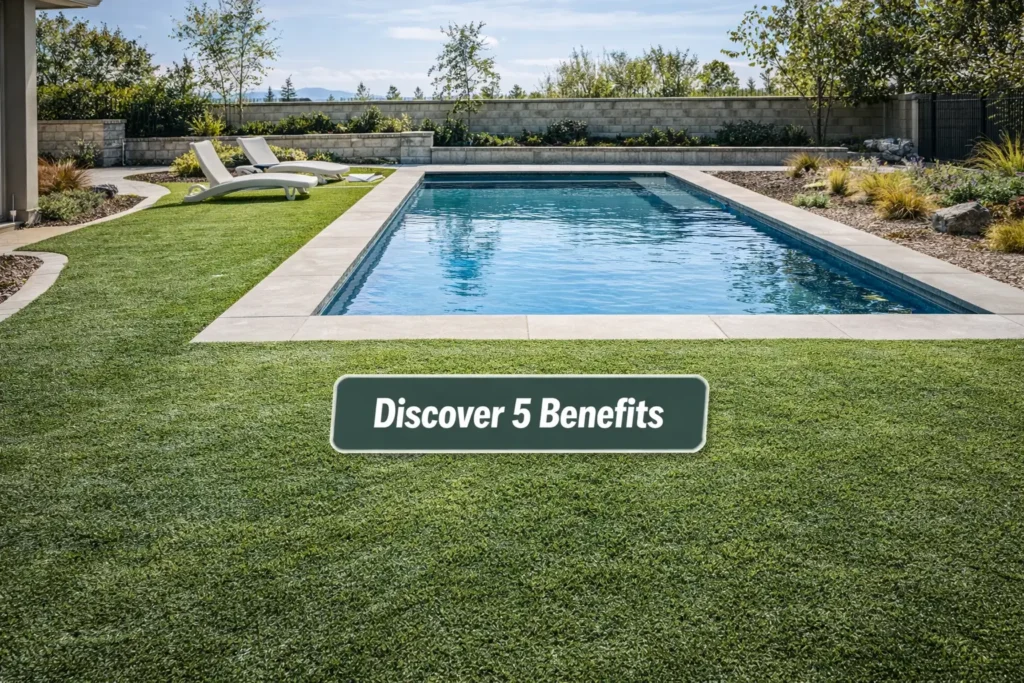
The cost of a pool project is not limited to the pool itself. The surrounding area often includes decking, patios, walkways, landscaping, lighting, shade structures, outdoor kitchens, seating areas, or other improvements. These additions can turn a basic pool installation into a complete outdoor living environment, but each feature adds materials, labor, design requirements, and potentially additional site preparation. Homeowners should decide early whether these features are part of the initial project or will be completed later.
Working with outdoor living space designers near me can help homeowners coordinate the pool with other backyard elements from the beginning. A cohesive plan can help determine appropriate locations for seating, cooking areas, pathways, shade, lighting, and landscaping. This approach can also reduce the likelihood of having to remove or rebuild recently completed features later. Even when certain upgrades are postponed, planning for them during pool construction can make future improvements easier and more cost-effective.
6. Permits, Engineering, and Construction Requirements
Permits and professional planning requirements can also contribute to the overall cost of a pool project. Local regulations may establish requirements involving property setbacks, fencing, electrical work, drainage, structural design, safety features, and inspections. Depending on the property and project complexity, engineering or specialized site assessments may also be necessary. These requirements are important because they help ensure that the pool is constructed according to applicable safety and building standards.
Homeowners should ask their contractor which permits and inspections are included in the project agreement and which responsibilities belong to the homeowner. Clear documentation can reduce confusion about project costs and construction responsibilities. It is also useful to understand whether the quoted price includes necessary preparation, inspections, cleanup, and final commissioning. Reviewing these details before construction begins can help prevent disagreements and unexpected charges later in the project.
7. Labor, Timeline, and Project Complexity
Labor represents a major part of any custom construction project, and more complicated designs generally require more specialized work. Pool construction involves excavation, structural work, plumbing, electrical installation, finishing, equipment setup, and coordination between different trades. Projects with extensive features or challenging site conditions may require additional labor and a longer construction schedule. Weather and material availability can also affect the timeline, particularly when outdoor work is involved.
A realistic budget should account for the complete scope of work rather than focusing only on the initial construction estimate. Homeowners should review the contract carefully to understand what is included, which items are allowances, and how approved changes are priced. It is also wise to establish clear communication procedures so questions or design changes can be addressed before they affect later construction stages. Good project management helps keep the work organized while giving homeowners a clearer understanding of how decisions may affect the budget.
Planning a Pool Budget With Confidence
The cost of custom swimming pool construction depends on much more than the pool’s size. Design complexity, excavation conditions, material selections, equipment, outdoor improvements, permitting, labor, and project management can all influence the final investment. Homeowners who understand these factors can prioritize the features that matter most and make decisions based on both immediate preferences and long-term ownership considerations. Careful planning also makes it easier to establish realistic expectations before construction begins.
The best starting point is a detailed consultation with an experienced pool professional who can evaluate the property and develop a project plan based on the homeowner’s goals. Ask for a clear breakdown of construction costs, included features, potential additional expenses, expected timeline, warranties, and maintenance considerations. With thorough planning, transparent communication, and thoughtful material and feature selections, homeowners can create a custom pool and outdoor environment that fits their property, lifestyle, and investment priorities.