Home Remedies for Seborrheic Keratosis: Myths, Facts, and Safe Treatment Options
Seborrheic keratosis is a common, non-cancerous skin growth that often appears as people get older. These growths can look brown, black, tan or light-coloured, and they may have a rough, waxy or slightly raised surface. Although seborrheic keratosis is usually harmless, its appearance can cause concern, particularly when new growths develop or existing ones change.
Many people search for Home Remedies for Seborrheic Keratosis because they want to improve their skin without undergoing a medical procedure. Online advice often recommends natural oils, vinegar, herbal preparations and other household ingredients. However, not every popular remedy is safe or effective, and some methods may irritate the skin or delay the diagnosis of a different condition.
This guide separates common myths from medical facts, explains which home-care practices may help maintain healthy skin, and discusses when professional treatment is appropriate. The most important point is that caring for your skin at home is not the same as removing a seborrheic keratosis.
What Is Seborrheic Keratosis?
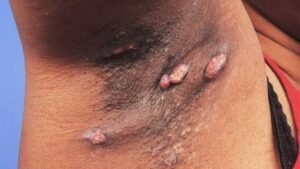
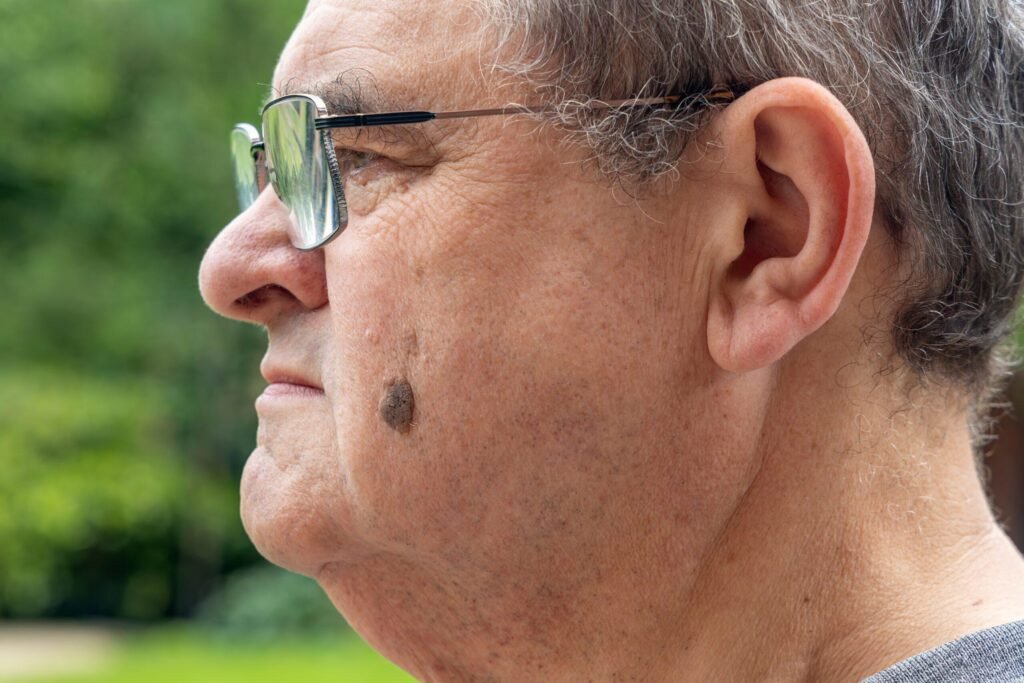
Seborrheic keratosis is a benign skin growth that develops from cells in the outer layer of the skin. It commonly appears on the face, chest, back, shoulders and other areas of the body, although it usually does not develop on the palms or soles.
These growths can appear individually or in groups. Some are flat, while others become raised and develop a rough or waxy texture. Their colour can range from pale tan to dark brown or black.
Seborrheic keratosis becomes more common with age, particularly after the age of 40. Genetics may also play a role, as these growths often run in families. Their exact cause is not fully understood, but they are not caused by poor hygiene.
Although the appearance can resemble a wart or, in some cases, a skin cancer, seborrheic keratosis itself is not cancerous. However, you should not assume that every dark or rough skin spot is harmless. A healthcare professional can examine an uncertain growth and determine whether further testing is needed.
Why Do People Look for Home Remedies for Seborrheic Keratosis?
People explore Home Remedies for Seborrheic Keratosis for several reasons. Some want to avoid the cost of a dermatology appointment, while others prefer simple skincare routines or worry about discomfort associated with medical procedures.
A raised growth may also catch on clothing, jewellery or towels, making it uncomfortable during everyday activities. Growths on visible areas, such as the face or neck, may cause cosmetic concerns.
However, a remedy that sounds natural is not automatically safe. Household ingredients can cause irritation, allergic reactions, burns or changes in skin pigmentation. Furthermore, there is no reliable scientific evidence that commonly promoted kitchen ingredients can safely dissolve or remove seborrheic keratosis.
A sensible approach focuses on protecting the surrounding skin, avoiding unnecessary irritation and obtaining a professional diagnosis before attempting to remove a growth.
Home Remedies for Seborrheic Keratosis: Myths vs Facts
Understanding the difference between a popular claim and a medically supported fact can help you make safer decisions. Here are some of the most common beliefs about managing these skin growths.
1: Apple Cider Vinegar Removes Seborrheic Keratosis
Fact: There is no reliable clinical evidence that apple cider vinegar safely removes seborrheic keratosis.
Some online sources recommend applying vinegar directly to a growth because its acidity may affect the skin’s surface. However, this does not establish that it can remove the growth safely or completely.
Vinegar can irritate the skin and cause chemical burns, particularly when used undiluted, covered with a dressing or applied repeatedly. The risk is especially concerning on the face, neck and other sensitive areas.
Home Remedies for Seborrheic Keratosis should never involve deliberately burning or damaging the skin. If you want a growth removed, ask a qualified healthcare professional about suitable options.
2: Natural Oils Can Dissolve the Growth
Fact: Oils may moisturise dry skin, but they have not been shown to dissolve seborrheic keratosis.
Coconut oil, olive oil and similar products are often promoted for various skin concerns. A moisturiser may make the surrounding skin feel softer, especially when dryness causes discomfort. However, moisturising the skin does not mean the growth itself will disappear.
Essential oils also require caution. Some can cause allergic contact dermatitis, redness, itching or swelling, especially when applied undiluted.
If your skin feels dry, choose a gentle, fragrance-free moisturiser. Avoid applying oils to broken, bleeding or inflamed skin without medical advice.
3: Garlic and Lemon Juice Are Safe Removal Methods
Fact: Garlic and lemon juice can irritate the skin and should not be used to burn away a growth.
Garlic contains compounds that can cause significant skin irritation when applied directly. Lemon juice is acidic and may irritate the skin; exposure followed by sunlight can also cause a phototoxic reaction in some circumstances.
These ingredients have no established role in safely removing seborrheic keratosis at home.
Although Home Remedies for Seborrheic Keratosis are widely discussed online, a household ingredient should not be considered a proven treatment simply because it has other uses in cooking or traditional skincare.
4: Scrubbing Makes Seborrheic Keratosis Disappear
Fact: Scrubbing can damage the surrounding skin without removing the underlying growth safely.
A rough growth may tempt you to use an exfoliating glove, pumice stone, abrasive scrub or strong chemical exfoliant. However, friction can cause bleeding, inflammation and infection.
Seborrheic keratoses are not ordinary dirt or dead skin that you can wash away. Their appearance reflects a growth of skin cells rather than a lack of cleanliness.
Use a mild cleanser and wash gently with your fingertips. Do not scrape, pick, cut or pull at the growth, even if it looks as though it is loosely attached.
5: Herbal Preparations Always Work Because They Are Natural
Fact: Natural ingredients vary in their effects, and evidence for one skin condition does not prove effectiveness for another.
Some plants contain compounds that researchers investigate for their effects on inflammation, microbes or skin health. However, these findings cannot automatically be applied to seborrheic keratosis.
Products marketed as Natural Remedies for Seborrheic Keratosis may contain several ingredients, but a long ingredient list does not prove that the product removes these growths. The strength, purity and safety of herbal preparations can also vary.
Before applying a herbal product, review its ingredients and consider the possibility of irritation or an allergic reaction. If a growth has not been diagnosed, seek medical advice before attempting treatment.
6: A Growth That Looks Harmless Never Needs Checking
Fact: Some skin cancers and other skin conditions can resemble seborrheic keratosis.
Many typical growths are harmless and require no treatment. Nevertheless, appearance alone may not always provide a reliable diagnosis.
Arrange a medical assessment if a spot grows quickly, changes colour, bleeds without a clear reason, develops persistent itching or looks noticeably different from your other growths. A new group of many growths appearing suddenly also deserves medical attention.
Do not rely on Home Remedies for Seborrheic Keratosis when a growth is changing or uncertain. An examination is more important than trying to improve its appearance.
7: Removing One Growth Prevents More From Developing
Fact: Removing an existing growth does not prevent new ones from appearing elsewhere.
Seborrheic keratosis often becomes more common with age, and some people develop numerous growths over time. A dermatologist can remove a bothersome growth, but this does not guarantee that additional growths will not develop.
There is also no established home skincare routine that prevents every future seborrheic keratosis.
Instead of repeatedly treating new spots yourself, monitor changes in your skin and arrange an assessment whenever a growth looks unusual.
What Can You Safely Do at Home?
Although Home Remedies for Seborrheic Keratosis cannot reliably remove these growths, simple skincare habits can help protect the surrounding skin and reduce unnecessary irritation.
1. Apply a gentle moisturiser
Choose a fragrance-free moisturiser if the surrounding skin feels dry. Apply it gently rather than rubbing the growth. Stop using it if you develop a rash or burning sensation.
2. Clean the area gently
Use lukewarm water and a mild cleanser. Avoid harsh soaps, stiff brushes and vigorous rubbing, especially if the growth catches on a towel.
3. Protect your skin from sunlight
Use broad-spectrum sunscreen with SPF 30 or higher on exposed skin and follow other sun-protection measures. Sun protection helps reduce ultraviolet damage and the risk of certain skin cancers, although it is not a proven way to prevent seborrheic keratosis.
4. Reduce friction
If a growth catches on clothing, choose soft fabrics and avoid tight collars or jewellery that repeatedly rub the area. If irritation continues, ask a healthcare professional about removal.
5. Monitor changes
Notice any changes in size, shape, colour or symptoms. A photograph taken in consistent lighting may help you track changes, but it cannot confirm a diagnosis.
These measures support ordinary skin care; they should not be presented as methods for dissolving or removing the growth. Home Remedies for Seborrheic Keratosis are safest when they focus on comfort and skin protection rather than attempting to destroy tissue.
When Should You See a Dermatologist?
You should arrange an assessment if you have a new or uncertain skin growth, particularly if it is changing or causing discomfort.
Seek medical advice promptly if the growth:
- Grows rapidly or changes noticeably in appearance.
- Becomes very dark or develops an irregular appearance.
- Bleeds, forms a persistent sore or becomes painful.
- Causes ongoing itching or inflammation.
- Looks different from your other skin growths.
- Appears alongside a sudden increase in the number of growths.
A dermatologist can usually identify seborrheic keratosis by examining the skin. If the diagnosis is uncertain, the clinician may remove a sample or the entire growth for examination under a microscope. This helps distinguish it from skin cancer and other conditions.
Do not delay an assessment while experimenting with Home Remedies for Seborrheic Keratosis. Early evaluation is particularly important when the growth has changed or its appearance is unusual.
Medical Treatments That Actually Remove Seborrheic Keratosis
If a growth bothers you because of its appearance, repeated irritation or location, a dermatologist can discuss suitable removal methods. Unlike unproven home treatments, these procedures are established clinical options.
Cryotherapy
Cryotherapy involves applying liquid nitrogen to freeze the growth. The treated area may blister or develop a crust before healing. This method is commonly used for suitable lesions, although thicker growths may need a different approach.
Temporary or permanent changes in skin colour can occur after treatment.
Curettage or Shave Removal
During curettage, a clinician scrapes away the growth using a specialised instrument. Shave removal involves carefully removing the raised portion with a surgical blade. Local anaesthetic may be used to improve comfort.
If a growth looks suspicious, the removed tissue can be sent to a laboratory for examination.
Electrosurgery
Electrosurgery uses an electrical current to destroy the growth. A clinician may combine it with scraping when appropriate.
Each procedure has potential risks, including bleeding, infection, scarring and changes in skin pigmentation. Your dermatologist can explain which method best suits the growth, its location and your skin type.
Unlike attempts to remove a lesion with household ingredients, professional treatment allows the clinician to assess the diagnosis and manage the procedure safely.
Can Diet and Lifestyle Help?
A balanced diet supports general health, including normal skin function. However, there is no convincing evidence that a particular food, supplement or detox programme removes seborrheic keratosis.
You can support your overall wellbeing by eating a varied diet containing vegetables, fruit, whole grains, protein sources and healthy fats. Drink enough water and maintain a skincare routine suited to your skin.
Do not spend money on expensive supplements or restrictive diets specifically to eliminate these growths. If you are considering a supplement, discuss it with a healthcare professional, especially if you take medication or have an existing medical condition.
When researching Herbal Care Products, look for clear ingredient information and avoid claims promising guaranteed removal or a permanent cure. Marketing statements do not replace clinical evidence, and a product described as natural may still cause adverse reactions.
Frequently Asked Questions
1. Can seborrheic keratosis disappear naturally?
Seborrheic keratosis typically does not disappear on its own. Some growths may change in appearance over time, but you should not assume that a changing lesion is harmless. Seek medical advice if you notice unexpected changes.
2. How long do home treatments take to work?
There is no established timeframe because household remedies have not been proven to remove seborrheic keratosis. Repeated applications of acidic or irritating ingredients may damage the skin rather than improve it.
3. Is seborrheic keratosis contagious?
No. Seborrheic keratosis is not contagious and does not spread from person to person through touching. Developing several growths does not mean you have passed a skin infection to someone else.
4. Can I use over-the-counter wart removers?
Do not assume that a wart remover is suitable for seborrheic keratosis. Products containing strong acids may injure surrounding skin, and treating an incorrectly identified growth can delay diagnosis. Ask a healthcare professional before using a removal product.
5. Are Home Remedies for Seborrheic Keratosis suitable for facial growths?
Extra caution is necessary on the face because the skin can be sensitive and treatment-related marks may be noticeable. Avoid vinegar, lemon juice, garlic, essential oils and abrasive products as removal methods. Have an uncertain facial growth examined before treating it.
6. Should every seborrheic keratosis be removed?
No. Most confirmed seborrheic keratoses are harmless and do not require treatment. Removal may be appropriate if a growth becomes irritated, catches on clothing, causes cosmetic concern or needs further examination.
7. Can moisturiser flatten a seborrheic keratosis?
A moisturiser may soften dry surrounding skin, but it has not been shown to flatten or eliminate the growth. If the lesion is raised or bothersome, discuss proven removal options with a dermatologist.
Final Thoughts
Home Remedies for Seborrheic Keratosis are often promoted as easy, inexpensive solutions, but popular claims do not always reflect medical evidence. Household acids, essential oils, garlic and abrasive scrubs can irritate or injure the skin without reliably removing the growth.
The safest approach is to protect the surrounding skin, use gentle skincare products, monitor changes and seek a professional diagnosis when necessary. If removal is appropriate, a dermatologist can explain the available procedures and their potential risks.
Remember that natural does not automatically mean safe, and a skin growth should not be removed at home simply because it looks harmless. Prioritise a confirmed diagnosis and evidence-based care over unproven promises.