Introduction
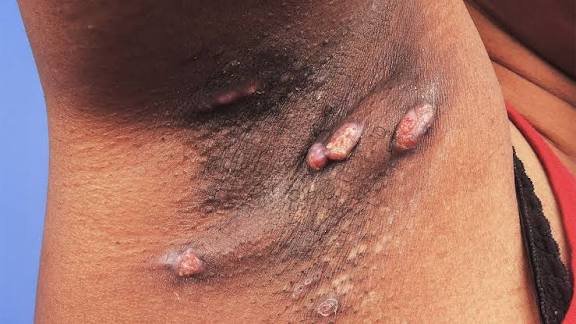
Hidradenitis suppurativa (HS) is a chronic inflammatory skin condition that can cause painful lumps, abscesses, drainage, and scarring. It commonly develops in areas where skin rubs together, including the armpits, groin, buttocks, and beneath the breasts. Living with this condition can be physically uncomfortable and emotionally challenging, especially when flare-ups interfere with daily activities. Although several medical treatments are available, many people also explore nutrition, lifestyle adjustments, and Hidradenitis Suppurativa Supplements as possible ways to support their overall well-being.
Supplements have attracted attention because certain vitamins, minerals, and other nutrients play important roles in immune function, skin health, and normal inflammatory processes. However, it is essential to understand that supplements are not proven cures for HS, and their effectiveness varies depending on the ingredient, dosage, individual nutritional status, and other health factors.
People searching for a Permanent Cure for Hidradenitis Suppurativa should understand that there is currently no universally established permanent cure. Nevertheless, appropriate medical treatment, consistent skin care, healthy lifestyle choices, and individualized nutritional support may help some people manage their symptoms.
This article explains seven important facts about Hidradenitis Suppurativa Supplements, including their potential benefits, limitations, safety considerations, and role in a comprehensive skin-health routine.
- Understanding Hidradenitis Suppurativa and Its Causes
Before considering supplements, it helps to understand what happens in the body when someone develops hidradenitis suppurativa.
HS is a chronic inflammatory disease associated with hair follicles. It can cause recurrent painful nodules, abscesses, tunnels beneath the skin, and permanent scarring. The condition is not contagious and does not develop simply because someone has poor hygiene.
Its exact causes are not completely understood. Genetic susceptibility, immune-system activity, hormonal influences, smoking, and excess body weight in some individuals may contribute to the development or severity of symptoms. However, HS can affect people of different body sizes and lifestyles.
Because inflammation plays an important role in HS, researchers and healthcare professionals have explored whether nutritional factors might influence symptom management. Vitamins and minerals support normal immune function, tissue maintenance, and wound healing, making adequate nutrition important for general health.
However, the relationship between nutrition and HS is complex. A nutrient that supports normal skin function does not necessarily reduce HS lesions or prevent new flare-ups.
Hidradenitis Suppurativa Supplements should therefore be considered supportive options rather than replacements for established medical care. Dermatologists may recommend treatments such as topical medications, antibiotics, hormonal therapies, biologic medicines, or surgical procedures, depending on disease severity and individual circumstances.
Understanding the condition helps people make more informed decisions and avoid relying on unsupported promises.
- Zinc May Be Worth Discussing With a Healthcare Professional
Zinc is an essential mineral involved in immune function, protein synthesis, cell division, and wound healing. Because HS can cause damaged skin and persistent inflammatory lesions, zinc has received attention as a possible nutritional consideration.
Some small studies have explored oral zinc supplementation in people with hidradenitis suppurativa. Certain patients have experienced improvements, but the available evidence remains limited, and these findings do not establish zinc as an effective treatment for everyone.
Zinc deficiency can interfere with normal skin health and wound healing. Correcting a documented deficiency is therefore important. However, taking additional zinc when the body already receives enough may not provide extra benefits.
High doses can cause nausea, stomach discomfort, and vomiting. Prolonged excessive intake can also interfere with copper absorption, potentially resulting in anemia and neurological problems.
Zinc can interact with certain antibiotics, including tetracyclines and quinolones, reducing the absorption of one or both substances. A healthcare professional or pharmacist can advise on appropriate timing and dosage when these medications are prescribed.
People considering zinc as part of their Hidradenitis Suppurativa Supplements routine should discuss their nutritional needs, existing medications, and treatment goals with a qualified professional.
The most responsible approach is to correct deficiencies when present rather than assume that larger doses will produce better results.
- Vitamin D Supports General Immune and Skin Health
Vitamin D is another nutrient frequently discussed in relation to inflammatory skin conditions. It contributes to calcium absorption, bone health, and normal immune-system function.
Some observational research suggests that vitamin D deficiency may be relatively common among people with hidradenitis suppurativa. However, an association between low vitamin D levels and HS does not prove that the deficiency causes the condition or that supplementation will improve symptoms.
People who have limited sun exposure, certain dietary restrictions, darker skin pigmentation, or particular medical conditions may have an increased risk of vitamin D deficiency. A healthcare professional can determine whether testing is appropriate.
When a deficiency is identified, supplementation may help restore adequate levels and support general health. Nevertheless, vitamin D should not be regarded as a standalone treatment for HS.
Excessive vitamin D intake can increase blood calcium levels and potentially cause kidney problems, nausea, weakness, and other complications. People with kidney disease, certain endocrine disorders, or conditions affecting calcium metabolism may need additional precautions.
If vitamin D supplementation is being considered, the appropriate dose should reflect individual needs, existing dietary intake, laboratory findings when available, and professional advice.
For people researching Hidradenitis Suppurativa Supplements, vitamin D is best understood as a nutrient that supports normal physiological functions rather than a guaranteed solution for chronic skin inflammation.
- Other Nutrients May Support Overall Nutritional Health
In addition to zinc and vitamin D, several nutrients contribute to normal skin maintenance and overall health. Their usefulness depends on whether a person has an inadequate intake, a documented deficiency, or another specific nutritional need.
Vitamin C supports collagen formation and helps the body maintain connective tissue. It also contributes to normal wound healing and antioxidant protection. Eating fruits and vegetables is generally a practical way to obtain adequate vitamin C.
Vitamin A is important for normal skin-cell development and immune function. However, high-dose vitamin A supplements can be toxic and may cause liver damage, bone problems, and birth defects during pregnancy. Supplementation should not be undertaken casually.
Vitamin B12 and folate support red blood cell production and other essential biological processes. Correcting a deficiency can improve general health, but there is insufficient evidence to establish either nutrient as a specific treatment for HS in people without a deficiency.
Iron is necessary for oxygen transport and normal bodily function. It may be appropriate for people with confirmed iron deficiency, but unnecessary iron supplementation can be harmful.
Omega-3 fatty acids, found in foods such as oily fish, walnuts, and flaxseed, are also discussed because they participate in normal inflammatory processes. However, strong clinical evidence showing that omega-3 supplements improve hidradenitis suppurativa remains lacking.
These examples demonstrate why individualized nutritional assessment is important. Hidradenitis Suppurativa Supplements should address genuine nutritional needs rather than become an indiscriminate collection of products.
A varied diet containing vegetables, fruits, whole grains, protein sources, and healthy fats can provide many essential nutrients without requiring numerous supplements.
- Herbal Products Require Careful Evaluation
Herbal products are often marketed for inflammation, detoxification, immune support, or skin wellness. Some people prefer botanical ingredients because they are interested in natural approaches to maintaining their health.
However, natural does not automatically mean safe or effective. Herbal ingredients vary in their composition, strength, purity, and potential interactions with medications. Evidence supporting their use for hidradenitis suppurativa is generally limited.
A product advertised for general inflammatory support should not automatically be assumed to treat HS. Marketing statements may rely on traditional use, laboratory findings, or research involving conditions other than hidradenitis suppurativa.
People exploring herbal Hidradenitis Suppurativa Supplements should examine the full ingredient list, recommended serving size, manufacturer information, and available quality-testing documentation.
It is also important to understand that dietary supplements are not approved in the same way as prescription medicines before they are marketed in the United States. Manufacturing and labeling requirements apply, but a supplement’s availability does not establish that it is effective for HS.
Consumers should be cautious about products promising rapid results, eliminating all lesions, preventing every flare-up, or delivering a Permanent Cure for Hidradenitis Suppurativa.
Anyone taking prescription medication, preparing for surgery, pregnant, breastfeeding, or managing another medical condition should consult a healthcare professional before beginning an herbal product.
Responsible product selection emphasizes transparency, safety, and realistic expectations instead of dramatic claims.
- Herbs Solutions By Nature and Informed Supplement Selection
When researching nutritional products, consumers may encounter different supplement brands, including Herbs Solutions By Nature. Before purchasing any product, it is important to evaluate its ingredients, intended use, manufacturing information, and supporting evidence.
People interested in Herbs Solutions By Nature should review the specific product label and determine whether the ingredients are appropriate for their individual needs. A brand name alone cannot establish a product’s safety, quality, or effectiveness for hidradenitis suppurativa.
Start by identifying the reason for considering supplementation. For example, someone with a confirmed vitamin deficiency may need a targeted nutrient, while another person may benefit more from improving their diet or reviewing their current medical treatment.
Next, examine the amount of each active ingredient. Products containing multiple vitamins, minerals, or botanical extracts may duplicate ingredients already present in other supplements or fortified foods.
Check whether the manufacturer provides clear contact information, lot identification, expiration dates, and information about independent quality testing. Independent testing may help verify product identity and assess certain contaminants, although it does not prove that the product treats HS.
Discuss the product with a dermatologist, primary care professional, or pharmacist, particularly if you are using antibiotics, hormonal medications, biologic treatments, or other prescription drugs.
It is also helpful to keep a record of any supplement you begin, including the dosage, starting date, side effects, and changes in symptoms. This information can support informed discussions during follow-up appointments.
Herbs Solutions By Nature and other supplement providers should be evaluated using the same standards: clear labeling, responsible marketing, appropriate safety information, and realistic statements about what the product can accomplish.
No supplement brand should be viewed as a substitute for diagnosis, medical treatment, or individualized professional advice.
- Supplements Work Best Within a Comprehensive Management Plan
The final important fact is that supplements, when appropriate, should be considered one possible component of a broader hidradenitis suppurativa management plan.
HS often requires ongoing treatment because the condition can recur even when individual lesions improve. A dermatologist can recommend treatment based on disease severity, affected areas, scarring, pain, drainage, and previous responses to therapy.
Medical management may include topical treatments, oral antibiotics, hormonal approaches for selected patients, biologic medications, or surgery when necessary. Some treatments address inflammation, while others target infection-related complications or remove affected tissue.
Daily habits can also influence comfort and overall health. Gentle cleansing, reducing friction, wearing comfortable clothing, and avoiding harsh products may help minimize irritation. Warm compresses can sometimes provide comfort for painful areas, but they do not cure the underlying disease.
Smoking cessation is worth discussing because smoking is associated with HS and can negatively affect general health. People who are overweight may find that individualized weight-management support helps reduce friction in affected areas, although HS is not simply a weight-related condition and can occur at any body size.
Nutrition is another part of the overall picture. Regular meals, adequate protein, vegetables, fruits, whole grains, and sufficient hydration support general well-being. Some people report that particular foods influence their symptoms, but dietary triggers vary, and evidence for specific elimination diets remains limited.
Avoid restrictive diets unless there is a clear reason and appropriate professional guidance. A registered dietitian can help maintain nutritional adequacy when dietary changes are being considered.
If a supplement is introduced, change one product at a time when practical and monitor symptoms over a reasonable period. Remember that HS naturally fluctuates, so an improvement after starting a supplement does not necessarily mean the supplement caused it.
Seek medical attention for rapidly worsening pain, spreading redness, fever, or other signs of a potentially serious infection. Persistent drainage, tunnels, and recurring abscesses also warrant professional evaluation.
A comprehensive plan is generally more reliable than depending on supplements alone.
Common Mistakes to Avoid When Choosing Supplements
People researching Hidradenitis Suppurativa Supplements can avoid several common mistakes by focusing on evidence and safety.
First, do not assume that more is better. High doses of vitamins and minerals can cause adverse effects, even when these nutrients are essential.
Second, avoid combining multiple products without checking their labels. Different supplements may contain the same ingredients, leading to excessive total intake.
Third, do not stop prescribed treatment because a supplement appears promising. Discuss treatment changes with the clinician responsible for your care.
Fourth, be cautious about testimonials and dramatic marketing claims. Individual experiences do not establish that a product works consistently or that it will work for another person.
Finally, avoid spending money on products that make unsupported claims about eliminating a chronic inflammatory disease. Prioritize medical care, nutritional adequacy, and products that provide transparent information.
Conclusion
Hidradenitis suppurativa is a complex chronic inflammatory skin condition that requires an individualized approach. Hidradenitis Suppurativa Supplements may be worth discussing with a healthcare professional when they address a nutritional deficiency or another clearly identified need, but current evidence does not establish supplements as a cure.
Zinc, vitamin D, other essential nutrients, and certain botanical products have attracted interest, yet their effectiveness and safety differ considerably. Careful evaluation of ingredients, potential interactions, product quality, and realistic expectations is essential.
People searching for a Permanent Cure for Hidradenitis Suppurativa should be wary of guarantees. Although a universally established permanent cure is not currently available, appropriate medical treatment can help manage symptoms, reduce disease activity, and improve quality of life.