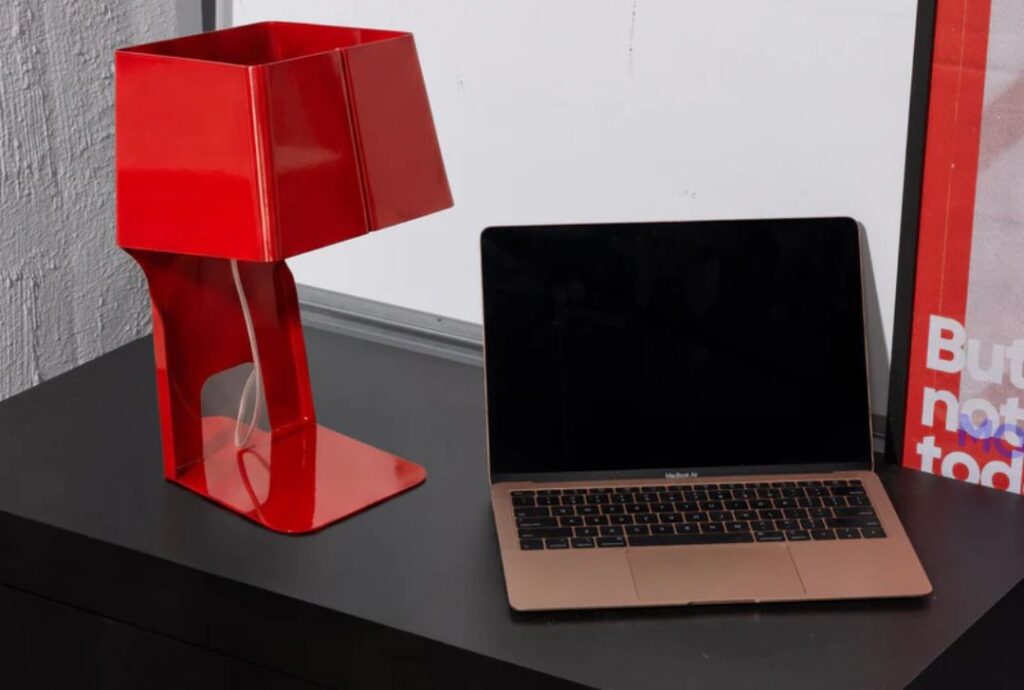
home office styling
Working from home has become a permanent reality for millions of professionals across the United States. According to data from the U.S. Bureau of Labor Statistics, remote and hybrid work arrangements continue to influence how people design their living spaces. As more employees and business owners spend long hours working from home, the need for effective home office styling has become increasingly important. A thoughtfully designed workspace can improve concentration, reduce stress, and support long-term productivity.
Many people struggle with creating a workspace that feels both functional and comfortable. Dining tables often become temporary desks, spare bedrooms turn into makeshift offices, and clutter slowly accumulates over time. These conditions can negatively impact focus and motivation. Poor workspace design may also contribute to physical discomfort, making daily tasks more challenging than necessary.
The good news is that designing a productive office does not require a complete renovation or an unlimited budget. By understanding how layout, furniture, lighting, organization, and personal touches work together, anyone can create an environment that supports better work habits. Effective home office styling focuses on balancing practicality with comfort so that every workday feels more manageable and efficient.
The Problem with Poor Workspace Design
One of the biggest mistakes people make when creating a home office is treating it as an afterthought. When a workspace lacks purpose or organization, distractions increase and productivity often declines. Many remote workers find themselves constantly searching for documents, dealing with uncomfortable seating, or struggling with inadequate lighting throughout the day.
Research conducted by Harvard Business Review has shown that workspace conditions can significantly influence employee performance and engagement. When people work in environments that support concentration and comfort, they are generally more productive and less likely to experience burnout. Unfortunately, many home offices are designed without considering these important factors.
I have personally worked from several different home office setups over the years. The difference between a poorly organized workspace and a thoughtfully designed one is remarkable. Even small improvements such as repositioning a desk near natural light or investing in ergonomic seating can dramatically improve focus and daily performance.
Choosing the Right Location for Your Workspace
The foundation of successful home office styling begins with selecting the right location. Not everyone has access to a dedicated office, but creating a defined work zone is essential regardless of available space. A consistent location helps establish mental boundaries between work responsibilities and personal activities.
Open areas near televisions, kitchens, or high-traffic walkways often create unnecessary distractions. Whenever possible, choose a quieter space that allows uninterrupted concentration. Even a small corner can become highly functional when organized properly. The goal is to create an environment where focus comes naturally throughout the day.
Many successful remote professionals prioritize workspace separation. A Stanford University study examining remote work productivity found that employees often perform better when they have dedicated work areas. Creating physical boundaries helps reinforce professional habits and supports a healthier work-life balance.
Selecting Furniture That Supports Productivity
Furniture plays a critical role in determining both comfort and efficiency. A desk should provide adequate space for daily tasks while maintaining an organized appearance. Likewise, an ergonomic chair can significantly reduce strain during long working hours. Investing in quality furniture often produces benefits that extend well beyond aesthetics.
Some homeowners choose sculptural statement furniture that serves both functional and visual purposes. A distinctive desk or chair can become a focal point while still supporting daily productivity. The key is ensuring that design choices do not compromise comfort or usability. Attractive furniture should always contribute to the overall effectiveness of the workspace.
Several American companies have successfully integrated thoughtful office design into their workplace strategies. Businesses such as Google and Microsoft invest heavily in employee work environments because they recognize the connection between comfort and performance. Similar principles can be applied to home offices regardless of room size or budget.
Maximizing Natural and Artificial Lighting
Lighting is one of the most overlooked aspects of workspace design. Poor lighting contributes to eye strain, headaches, and reduced concentration. Natural light remains one of the most effective tools for improving workplace comfort and maintaining energy levels throughout the day.
Positioning a desk near a window can make a noticeable difference in mood and productivity. Studies published by Cornell University found that employees exposed to natural light reported fewer issues related to eye strain and fatigue. This demonstrates the importance of considering lighting during the planning stage of workspace development.
When natural light is limited, layered lighting solutions become essential. Desk lamps, overhead fixtures, and task lighting can work together to create a comfortable environment. Effective home office styling often involves combining multiple light sources to eliminate shadows and improve visibility throughout the workspace.
Creating an Organized and Clutter-Free Environment
Clutter is one of the most common obstacles to productivity. A crowded desk filled with unnecessary items can make it difficult to focus on important tasks. Visual distractions compete for attention and often contribute to feelings of stress or overwhelm during the workday.
Organization systems do not need to be complicated. Simple storage solutions such as shelves, filing cabinets, and drawer organizers can dramatically improve workspace efficiency. Every item should have a designated location to minimize time spent searching for supplies or documents.
I have found that maintaining a clean workspace creates a noticeable improvement in concentration. Spending just a few minutes at the end of each day organizing materials can make the following morning feel more productive. Effective home office styling includes establishing routines that support long-term organization and efficiency.
Adding Personality Without Sacrificing Function
A productive workspace should reflect personal preferences while maintaining professional functionality. Decorative elements help create an environment that feels inviting and motivating. Artwork, plants, books, and meaningful objects can contribute to a more enjoyable work experience.
Some professionals incorporate sculptural statement furniture to add visual interest without overcrowding the room. When selected carefully, these pieces enhance the overall aesthetic while maintaining practical value. The goal is to create a workspace that feels inspiring rather than distracting.
Plants are another excellent addition to home offices. Research from the University of Exeter found that workplace greenery can increase productivity and employee well-being. Even a few low-maintenance plants can introduce warmth and improve the overall atmosphere of a workspace.
Designing for Comfort and Long-Term Wellness
Comfort should never be considered a luxury in a home office. Long hours spent working in uncomfortable conditions can contribute to physical discomfort and reduced performance. Ergonomic considerations should play a central role in workspace planning from the beginning.
Monitor height, keyboard placement, chair support, and desk dimensions all influence posture and comfort. Small adjustments can prevent strain and support healthier work habits. Many professionals underestimate how significantly ergonomic improvements affect daily productivity and overall well-being.
Companies across the United States increasingly prioritize employee wellness because healthier workers often perform better and experience fewer workplace injuries. Similar principles apply to remote work environments. Effective home office styling should support both immediate productivity and long-term health.
Integrating Technology Efficiently
Technology is at the center of most modern work environments. However, poorly managed cables, overcrowded desks, and outdated equipment can quickly reduce efficiency. Organizing technology effectively helps create a cleaner and more professional workspace.
Cable management systems, wireless accessories, and docking stations help minimize visual clutter. These small improvements contribute to a more streamlined environment and reduce unnecessary distractions. A workspace that feels organized often encourages better focus and productivity.
Some homeowners pair technology upgrades with sculptural statement furniture to achieve a balance between modern functionality and visual appeal. This approach creates an environment that feels intentional rather than purely utilitarian. The result is a workspace that supports both performance and personal satisfaction.
Conclusion
Creating a productive workspace involves much more than placing a desk and chair in an empty room. Successful home office styling requires thoughtful planning, smart furniture choices, effective lighting, organized storage, and personal touches that support daily motivation. When these elements work together, they create an environment that encourages focus, comfort, and long-term success.
The challenges of remote work become easier to manage when the workspace is designed with purpose. By selecting the right location, prioritizing ergonomics, reducing clutter, and incorporating meaningful design elements, professionals can improve both productivity and well-being. Small changes often produce significant results over time.
As remote and hybrid work continue shaping modern careers, investing in effective home office styling remains one of the smartest decisions professionals can make. A well-designed workspace not only supports better work performance but also creates a healthier and more enjoyable daily routine. The result is a home office that helps individuals accomplish more while feeling comfortable and motivated every day.