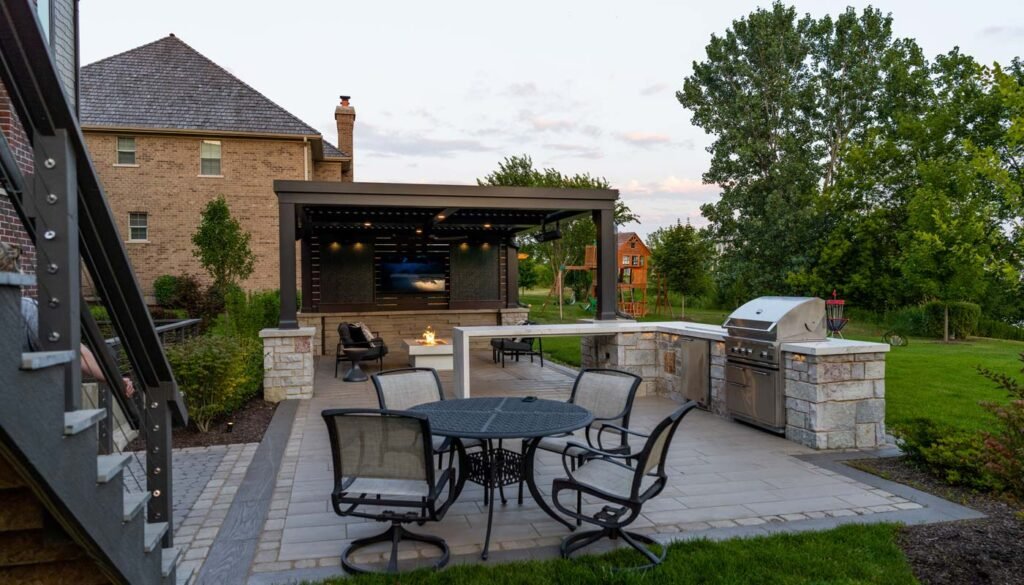
backyard remodeler Mansfield
A successful backyard transformation begins long before construction equipment arrives at the property. Homeowners need to turn broad ideas into a practical plan that considers layout, materials, drainage, landscaping, budget, and everyday use. Working with a qualified backyard remodeler Mansfield homeowners can rely on provides a structured way to move from an initial concept toward a finished outdoor space. A professional process also helps identify potential challenges before they become expensive changes during construction. When design and construction are carefully coordinated, the finished backyard can be both visually appealing and genuinely useful.
Understanding Your Vision and Project Goals
The first stage of a backyard remodeling project is understanding what the homeowner actually wants from the space. Some families may want an area for outdoor dining and entertaining, while others may prioritize relaxation, privacy, recreation, or a combination of several uses. Discussing these goals helps determine the appropriate layout and features. Homeowners should consider how many people will regularly use the space and what activities are most important. These conversations provide the foundation for every decision that follows during the design process.
Budget is another important part of the initial discussion. A realistic project budget helps determine which materials and features are practical while preventing the design from becoming disconnected from financial expectations. Homeowners should consider not only construction costs but also design, site preparation, drainage, utilities, landscaping, lighting, and future maintenance. A professional remodeler can help separate essential improvements from optional upgrades. This makes it easier to create a project that delivers meaningful value without adding features simply because they are available.
Evaluating the Existing Backyard
Before developing a final design, the existing property should be carefully evaluated. The contractor may need to examine the current grade, drainage patterns, soil conditions, existing hardscape, trees, irrigation, utility locations, fencing, and access points. These details can influence where new structures and outdoor features can safely be installed. Existing problems should be identified before construction begins rather than hidden beneath new materials. A thorough site assessment helps create a design that works with the property instead of fighting against its limitations.
The surrounding home should also influence the design. The backyard should feel connected to the architecture rather than appearing like an unrelated addition. Door locations, windows, existing rooflines, exterior finishes, and traffic patterns can all affect the placement of patios, walkways, seating areas, and other features. The relationship between indoor and outdoor spaces is especially important for entertaining and everyday convenience. Careful evaluation at this stage can result in a more natural transition from the house into the renovated backyard.
Developing the Landscape and Hardscape Plan
Once the property and goals are understood, the design can begin taking shape. Hardscape elements may include patios, walkways, retaining walls, outdoor kitchens, seating areas, fire features, pergolas, or other permanent structures. These features need to be positioned according to the available space, intended use, drainage, access, and relationship with the house. The design should also allow sufficient room for furniture, circulation, planting areas, and maintenance. Good planning creates a backyard that feels organized without making the available space feel crowded.
Landscaping should be considered alongside the hardscape rather than added as an afterthought. Experienced landscapers in Mansfield can help select trees, shrubs, ornamental grasses, groundcovers, and flowering plants that complement the proposed structures. Plant placement should account for sunlight, soil, drainage, irrigation, mature size, and maintenance requirements. Trees and larger plants should be positioned carefully so their future growth does not interfere with structures or utilities. Integrating landscaping into the original plan can produce a more cohesive and established appearance.
Selecting Materials and Outdoor Features
Material selection is one of the stages where homeowners can have a significant effect on both appearance and project cost. Patios and walkways can be constructed from different materials, each offering its own advantages in terms of appearance, durability, maintenance, and installation requirements. The best choice depends on the specific application and homeowner priorities. A professional should explain the practical differences instead of recommending materials based solely on appearance. Understanding those differences allows homeowners to make decisions based on long-term value rather than short-term trends.
Outdoor features should also be selected according to how the space will actually be used. An outdoor kitchen may be worthwhile for homeowners who frequently cook and entertain outside, while integrated seating or shade may provide greater value for another household. Lighting can improve evening usability and highlight important landscape features when properly planned. Fire features, water elements, privacy screens, and other additions can also be considered where appropriate. The objective is to create a balanced design in which every major feature serves a clear purpose.
Refining the Design and Managing the Budget
After the initial concept is developed, the design usually needs refinement. This is the stage where homeowners and contractors review dimensions, materials, feature locations, planting areas, and practical details. Changes are generally easier and less expensive during design than after construction has started. Homeowners should ask questions whenever a drawing, material selection, or specification is unclear. Taking time to resolve uncertainties before construction helps reduce misunderstandings and unnecessary change orders.
Budget review should happen alongside design refinement. If the proposed project exceeds the available budget, homeowners can prioritize the features that matter most and postpone less essential improvements. For example, a project might begin with the patio, drainage, and planting framework while decorative additions are planned for a later phase. This approach can preserve the overall design vision without forcing homeowners to compromise on important construction work. Clear communication about costs at every stage is one of the strongest ways to keep the project financially manageable.
Preparing for Construction and Installation
Once the design is finalized, the project moves into the preparation stage. Depending on the scope, this may involve ordering materials, scheduling specialized trades, arranging equipment access, confirming utility locations, and obtaining applicable approvals. A professional backyard remodeler Mansfield homeowners choose should explain what happens before construction begins and identify responsibilities for each stage. Preparation is particularly important when projects involve electrical, plumbing, gas, structural, or drainage components. Proper coordination helps reduce unnecessary interruptions after installation has started.
The construction sequence should also be considered carefully. Site preparation and grading typically need to happen before many landscape and hardscape elements are installed. Utility work may need to be completed before surfaces are finished, while planting may occur after major construction equipment has left the area. The exact sequence depends on the project design and site conditions. Coordinating each trade in the correct order helps protect completed work and reduces the likelihood of having to remove newly installed features.
Completing the Project and Reviewing the Finished Space
As construction progresses, regular communication helps homeowners stay informed about the work. A professional contractor should provide updates regarding progress, material deliveries, schedule changes, and any unexpected site conditions that affect the original plan. If changes become necessary, homeowners should understand the reason for the change and its financial impact before approving additional work. Documenting significant decisions helps keep the project organized. Good communication throughout construction can be just as important as the quality of the physical work.
The final stage should include a careful review of the completed backyard. Homeowners should inspect major features, surfaces, drainage, lighting, irrigation, planting areas, structures, and other elements against the agreed scope. Contractors should explain relevant maintenance requirements and any warranties or care instructions associated with the work. New plants may require specific watering and establishment care, while hardscape and outdoor systems may have their own maintenance schedules. A proper closeout ensures the homeowner knows how to protect the investment after the construction phase ends.
Creating a Backyard Designed for Long-Term Use
A successful remodeling process is ultimately about more than producing an attractive finished photograph. The best outdoor spaces are designed around how homeowners actually live, entertain, relax, and maintain their properties. Practical circulation, durable materials, appropriate landscaping, effective drainage, and comfortable outdoor areas can all contribute to long-term satisfaction. Working with experienced landscapers in Mansfield and a qualified remodeling professional can help bring these different elements together. The result should feel like a natural extension of the home rather than a collection of unrelated improvements.
For homeowners considering a backyard transformation, the journey from concept to completion becomes much easier when each stage is handled deliberately. Start with clear goals, evaluate the existing property, develop an integrated design, choose appropriate materials, refine the budget, and prepare carefully for construction. Keep communication open throughout installation and review the finished work before considering the project complete. A skilled backyard remodeler Mansfield homeowners trust can provide valuable guidance throughout this process. With thoughtful planning and professional execution, an ordinary backyard can become a functional outdoor environment that provides enjoyment, comfort, and lasting value.