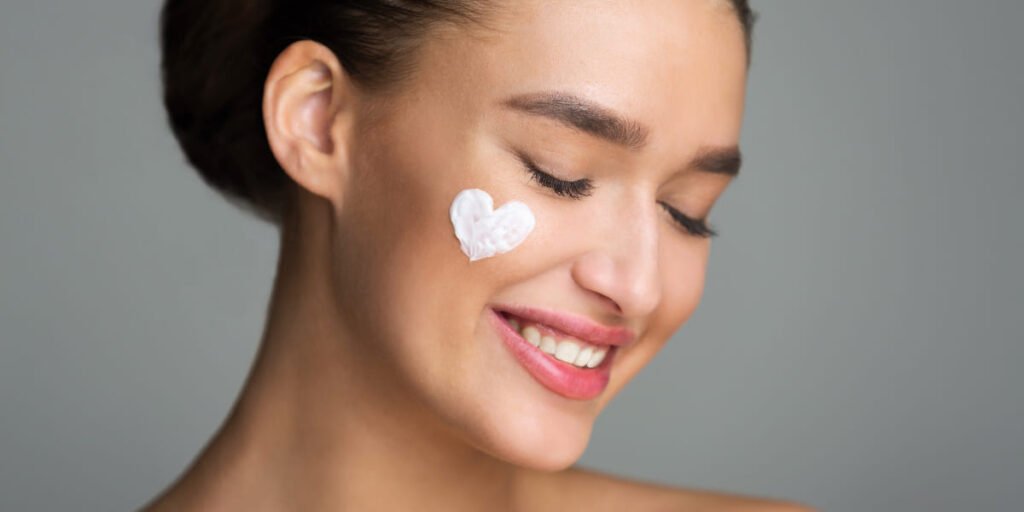
After a long day, you wash your face and pat it dry. After a minute, the skin feels tight, almost like it’s too small. Your lips may look dull in the afternoon, while your forehead may look shiny. Even though these signs are small and easy to miss, they usually mean the same thing: your skin needs more water. One simple way to fix that is to use a good face cream. Your skin will be able to hold on to water better, it will feel good, and the rest of your routine will be stable.
What Happens When Your Skin Doesn’t Have Enough Water?
The top layer of skin on your body acts like a thin wall. Water and dirt stay inside, but outside comes in. Skin feels soft and bendy when that wall has a lot of water in it. It’s easier for water to leave when it’s not, and you can feel it in your nose and mouth as tightness, rough spots, or flaking.
A lot of everyday things take away water. Strong cleansers, hot showers, wind, sun, and spending a lot of time in air-conditioned rooms can all make it worse. In Pakistan, the hot summer air and the cold, dry office air can make skin feel confused. Cities in the north get dry in the winter in their own way. You don’t have to have “dry type” skin to feel this way. Skin that is oily can still lose water.
How Face Cream Supports Everyday Skin Health
There are three useful things that a lotion does. On top of that, it fills in small gaps between skin cells to make the texture feel smoother and adds ingredients that attract water. It also forms a thin layer that stops moisture loss. All of these things help the skin’s moisture barrier, which is the same wall of defence we talked about above.
It’s helpful to know what this means. A face cream is a beauty product that makes you look and feel better. It doesn’t help with eczema, acne, or any other skin problems. If you know you have a problem, a cream can help with the treatment your doctor suggests, but it can’t take the place of it.
The Benefits You May Notice With Regular Use
The comfort is what most people notice first. Skin no longer feels tight after washing and doesn’t need to be cared for every few hours. Many people also notice that their skin looks a little more even and feels better when they touch it after two weeks of regular use. When your skin isn’t flaky, makeup usually goes on better.
Due to the fact that plumped skin reflects light more evenly, fine dry lines may look less noticeable when skin is well hydrated. That is only a brief change in how things look. There is no cream that can get rid of wrinkles or dark spots. The formula, your skin, the weather, and how often you use it will all affect the results. That’s okay if a face cream that works great for your friend feels heavy or itchy on you.
Does Every Skin Type Need the Same Kind of Face Cream?
No, and this is where lots of people go wrong. Everyone needs water, but everyone has a different idea of what quality is best for them.
- Creams that are richer and have emollients and ceramides tend to work better for dry skin. These products stay on the skin longer and make it less tight in the afternoon.
- Even oily skin needs to be moisturized. If you don’t use lotion, your skin might feel bad, and some people think it makes them shinier. To keep this type of skin moist without leaving a greasy film, gel creams and light lotions that feel like water work best.
- Often, two things are needed for skin combination. You could use a light formula on your T-zone and a slightly heavier one on your cheeks, or you could choose a medium-weight product that works well for everyone.
Normal skin is the most forgiving. A simple cream with no scent is usually enough.
For skin that is sensitive, simpler solutions are best. There is less chance of a reaction because there are fewer ingredients and no strong scent. However, what bothers one person might not bother another.
Season is also important. In places like Lahore, Karachi, and Islamabad, a lot of people like gel texture in the summer and a smoother cream in the winter. You don’t have to stick with the same product all year.
Ingredients That Make a Difference
You do not have to read labels like a chemist, but it is helpful to know what some ingredients are.
One often-used ingredient is glycerin. It pulls water to the skin and keeps the top layer soft. In the same way, hyaluronic acid holds water on the skin’s surface, making it feel fuller and softer. Ceramides are fats that your skin already has, and creams that contain them are meant to help the barrier. Some plant oils, shea butter, and fatty alcohols are emollients. They make skin feel soft and smooth.
You don’t need all of these for a product to be good, and none of them will guarantee a result on their own. More important than the long list on the front of the jar is the formula, the concentration, and how your skin reacts to it. Also, a higher price doesn’t always mean better performance. A lot of creams that aren’t too expensive are well-made and good for daily use.
When and How Should You Apply It?
It’s easy to time. After you wash your face, put on moisturizer while the skin is still a little damp. This helps keep the water inside that is already there. Use a small amount. A pea- to coin-sized amount is enough for most faces, and you can add a little more to dry spots.
In the morning, you should use a cleanser, then any treatment you choose, then a lotion, and finally sunscreen before putting on makeup. Sunscreen needs to be even, so it is put on last. Since skin loses more water at night, don’t use sunscreen. Instead, use a cream that is a little thicker and let it work while you sleep.
Do a patch test on a new product before you start using it. Put a little on the inside of your arm or behind your ear and leave it there for one or two days. Do not put it on your face if it turns red, itches, or burns.
Small Habits That Can Affect Your Results
Most problems are caused by small habits that can be changed, not by the product itself.
It’s normal to use too much. Too much of it doesn’t help, and it can make skin feel heavy or clog up easily. Another is switching brands every week. Because skin takes a few weeks to show if something works for it, making changes all the time makes it hard to tell what is working.
People can handle irritation for the longest time. When you put on a cream, it shouldn’t sting, smell strongly of perfume, or make your skin red. Put it down and pick something softer. Lastly, getting the wrong texture, like a thick night cream in July, can ruin a good product. Most of these complaints can be solved by making the formula fit the weather.
Is Face Cream Enough for a Complete Skincare Routine?
An easy routine of cleanser, moisturizer, and sunscreen is enough for a lot of people. A face cream can keep your skin moist and comfortable, but it can’t shield you from UV rays. Sunscreen should do that, and you should put it on every morning, even if it’s dark.
After those three steps, adding more products should be based on a real need, not on what’s popular at the moment. You shouldn’t add more products to your routine if you already have acne, pigmentation, or irritation that won’t go away. A dermatologist is better than a shelf full of odd serums because they can tell you what your skin really needs.
To Read More: Click Here
A Practical Conclusion
Choose a moisturizer that works for your skin type and the season. Do a patch test, use it twice a day for a few weeks, and pay attention to how your skin feels instead of how the package says it should feel. If it makes your skin feel good, looks better, and doesn’t itch, you’ve found a good match. If not, make one change at a time. Simple habits, not hard-to-follow routines, are what keep skin soft all year long. Most of the time, all you need is a good face cream, sunscreen, and gentle cleansing.