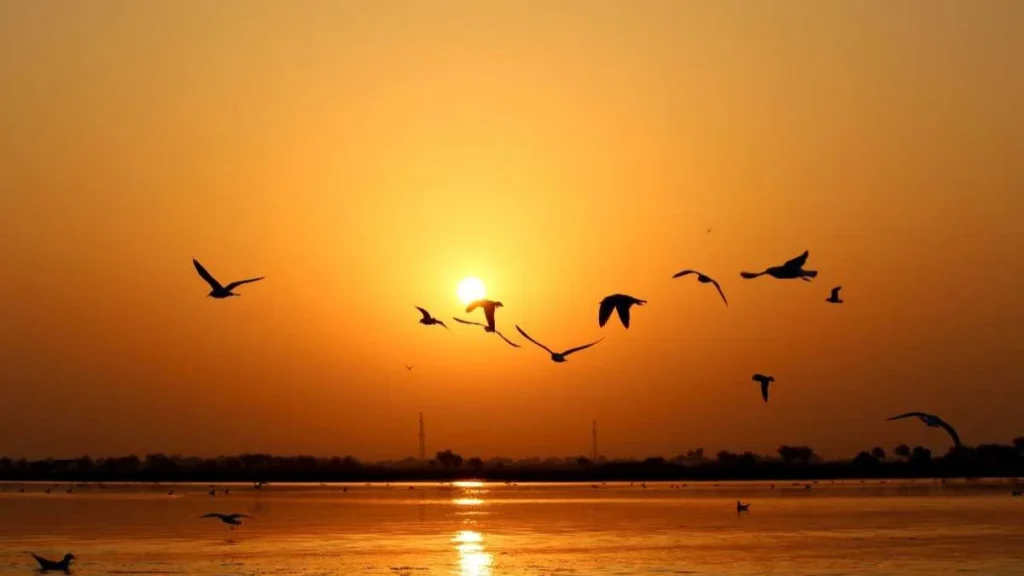
When the winter season arrives in Gujarat, wetlands across the state become lively with resident and migratory birds. Among the most rewarding places to experience this seasonal spectacle is Nalsarovar Bird Sanctuary, a vast wetland landscape located within easy reach of Ahmedabad. Its shallow waters, marshes, reed beds, and numerous small islands create an ideal environment for waterbirds and make the destination especially appealing to nature lovers and photographers.
Nalsarovar is more than a place to watch birds. A traditional boat ride across the lake, peaceful natural surroundings, seasonal wildlife, and opportunities to observe local wetland life make the experience different from a typical city excursion. Travel Roach recommends it for travellers looking for a refreshing nature escape from Ahmedabad.
Whether you are planning a family day trip, a photography outing, or your first birdwatching adventure, this guide explains what makes Nalsarovar special, which birds you may encounter, when to visit, how boating works, and what to keep in mind before travelling.
What Makes Nalsarovar Bird Sanctuary Special?
Nalsarovar Bird Sanctuary covers approximately 120.82 square kilometres and is recognised as an important wetland habitat. Gujarat Tourism describes the sanctuary as being home to more than 250 species of birds, including flamingos, pelicans, egrets, herons, cranes, and other waterbirds.
The wetland was declared a Bird Sanctuary by the Gujarat government in 1969 and was recognised as a Ramsar Site in 2012, reflecting its international importance as a wetland ecosystem. The Ramsar information notes that the site’s habitat changes significantly with variations in water levels and supports numerous waterfowl species.
One of the distinctive features of the landscape is its collection of small islands. Gujarat Tourism’s birdwatching material describes around 360-odd islets, many of which become more visible as water levels change.
This combination of open water, vegetation, marshland, and islands creates a constantly changing environment. Travel Roach suggests visiting with an open mind rather than expecting to see a fixed list of species because bird activity naturally varies according to season, weather, water conditions, and food availability.
A Paradise for Migratory Birds
The biggest attraction during winter is the arrival of migratory birds. Species from distant regions join resident birds, transforming the wetland into a spectacular birdwatching destination.
Depending on seasonal conditions, visitors may encounter:
- Flamingos
- Pelicans
- Ducks
- Herons
- Egrets
- Cranes
- Storks
- Sandpipers
- Plovers
- Stints
- Cormorants
- Grebes
- Other waterbirds and waders
Gujarat Tourism’s birdwatching guide specifically highlights flamingos, pelicans, ducks, demoiselle cranes, common cranes, sandpipers, and other waders at Nalsarovar.
The Ramsar site information also confirms the importance of Nalsarovar for waterfowl and records more than 200 bird species through studies and observations.
For birdwatchers, the excitement is not simply about finding rare species. Watching large groups of birds feeding together, flying over the water, or settling near an island can be just as memorable.
Experience Scenic Boating at Nalsarovar
A boat ride is one of the defining experiences of a visit. Traditional country boats operated by local communities take visitors across the wetland and provide a practical way to explore areas that cannot be experienced from the shore.
Gujarat Tourism identifies boating as one of the best ways to observe birds at Nalsarovar. Country boats can take visitors closer to groups of flamingos, pelicans, storks, cranes, and other waterbirds.
The journey itself is part of the attraction. As the boat moves quietly through the shallow waters, the landscape gradually changes. You may pass reeds, open stretches of water, small islands, and groups of birds resting or feeding.
Travel Roach recommends carrying binoculars if birdwatching is your main purpose. They allow you to observe wildlife from a respectful distance without encouraging boats to approach birds too closely.
Why Early Morning Is Ideal
Early morning is generally an excellent time to experience a wetland. The cooler conditions can make outdoor exploration more comfortable, while the quieter surroundings can enhance the overall atmosphere.
Photographers may also appreciate the softer morning light for landscape and bird photography. If you are travelling from Ahmedabad, an early start allows you to spend more time at the sanctuary before returning later in the day.
Avoid treating the trip as a race to collect photographs. Take time to observe bird behaviour, listen to the sounds of the wetland, and appreciate the landscape.
Best Time to Visit Nalsarovar
The best time to visit Nalsarovar for migratory birdwatching is generally November to February. Gujarat Tourism specifically recommends the winter months because migratory birds arrive at the sanctuary in large numbers during this period.
The sanctuary can still be interesting outside winter because resident birds remain part of the ecosystem. However, travellers primarily interested in experiencing large concentrations of migratory waterbirds should plan a winter visit.
Travel Roach recommends checking current conditions before your journey because bird populations, water levels, accessibility, and visitor arrangements can change naturally from one season to another.
How to Reach Nalsarovar from Ahmedabad
Nalsarovar is a convenient nature destination for travellers staying in Ahmedabad. Gujarat Tourism describes it as roughly an hour’s drive from the city, although actual travel time depends on your starting point, traffic, and route.
By Road
Travelling by car or taxi is generally the most convenient option for a day trip. It allows you to leave early and return according to your preferred schedule.
By Train
Viramgam is identified by Gujarat Tourism as the closest railway station. From there, visitors need road transportation to continue to the sanctuary.
By Air
For travellers coming from outside Gujarat, Sardar Vallabhbhai Patel International Airport in Ahmedabad provides the nearest major air connection. The remaining journey can be completed by road.
What to Carry for a Nalsarovar Trip
A little preparation can make your visit considerably more comfortable.
Binoculars: Essential for observing birds that remain at a distance.
Camera: A telephoto or zoom lens is useful for bird photography.
Sun protection: Carry sunglasses, sunscreen, and a hat.
Drinking water: Staying hydrated is important, especially if you spend several hours outdoors.
Comfortable clothing: Wear practical clothes and comfortable footwear suitable for outdoor conditions.
Light jacket in winter: Early mornings can feel cool.
Power bank: Useful if you plan to spend several hours photographing or navigating.
Travel Roach also recommends carrying reusable items instead of unnecessary single-use plastic and taking all waste back with you.
Responsible Birdwatching at Nalsarovar
A memorable Wildlife Sanctuary experience should also be a responsible one. Wetlands are sensitive ecosystems, and visitors have an important role in protecting them.
Never chase birds for photographs or encourage boat operators to move unnecessarily close to wildlife. Avoid loud music, shouting, feeding birds, or throwing waste into the water.
Use binoculars and zoom lenses to enjoy birds from a distance. If other visitors are watching wildlife quietly, avoid disrupting their experience.
Respect local communities and boat operators as well. Traditional boating and other local activities are part of the destination’s connection with surrounding communities.
Travel Roach believes responsible tourism should be an important part of every nature trip, especially at ecologically significant destinations such as Nalsarovar.
Nalsarovar for Families and First-Time Birdwatchers
You do not need to be an expert ornithologist to enjoy Nalsarovar. The sanctuary can be an engaging destination for families, children, students, photographers, and casual travellers.
Children can learn how different birds use wetlands for feeding and resting, while adults can enjoy the peaceful scenery and boating experience. Even if you cannot identify every species, simply watching a flock of birds take flight across the water can be fascinating.
For first-time birdwatchers, Travel Roach recommends starting with easily recognisable species such as flamingos, pelicans, herons, ducks, and cranes before attempting to identify smaller waders.
Nearby Places to Include in Your Itinerary
Nalsarovar can also be incorporated into a broader Ahmedabad and Gujarat sightseeing plan.
Thol Lake Sanctuary is another popular birdwatching destination near Ahmedabad and is known for its migratory birds during winter. Gujarat Tourism lists Nalsarovar among its nearby attractions.
Lothal offers a contrasting historical experience. Gujarat Tourism has suggested an Ahmedabad–Nalsarovar–Lothal itinerary, combining wetland birdwatching with the archaeological remains of the ancient Indus Valley Civilisation site.
Travellers with more time can therefore combine wildlife, nature, and history in one itinerary.
Tips for Getting the Most from Your Visit
Plan your visit around the season and your primary interest. If migratory birds are your priority, winter should be your first choice.
Start early, particularly if you want a quieter experience and comfortable outdoor conditions.
Allow enough time for boating rather than arriving for a quick photograph and leaving immediately.
Keep binoculars handy and avoid relying only on your smartphone camera.
Check current visitor information, boating arrangements, entry requirements, and local conditions before travelling because these details may change.
Most importantly, be patient. Wildlife does not operate according to a sightseeing timetable.
Travel Roach recommends allowing nature to set the pace. Sometimes the most memorable moment may be an unexpected flock of birds appearing over the water rather than the species you specifically planned to photograph.
Final Thoughts
Nalsarovar offers an opportunity to slow down and experience Gujarat from a completely different perspective. Instead of monuments, busy streets, and urban attractions, the journey leads to open water, small islands, wetlands, traditional boats, and seasonal birdlife.
The arrival of migratory birds during winter makes the sanctuary particularly spectacular, while boating adds an intimate way to explore its natural surroundings. For photographers, families, wildlife enthusiasts, and travellers simply looking for a peaceful escape, it can become one of the most rewarding day trips from Ahmedabad.
A successful visit is not only about how many birds you photograph. It is about understanding the importance of wetlands, observing wildlife respectfully, supporting responsible local tourism, and appreciating the natural landscape.
Travel Roach encourages travellers to put Nalsarovar on their Gujarat itinerary, particularly during the winter birdwatching season. With thoughtful planning and responsible behaviour, a visit here can become more than a sightseeing trip it can be an opportunity to connect with one of Gujarat’s most remarkable wetland ecosystems.
For more Gujarat travel inspiration, practical destination guides, and ideas for discovering lesser-known attractions, follow Travel Roach and continue exploring the diverse landscapes and experiences Gujarat has to offer.