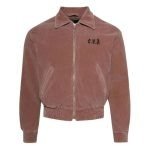
Erd Barbara Jacket
Finding the right shirt fit is less about following a universal rule and more about understanding proportion. A shirt that looks balanced on someone with a broad frame can sit very differently on a slimmer build, while a boxy cut can change the visual shape of the entire outfit. This matters even more with graphic and vintage-inspired shirts, where the print, hem, shoulders, and sleeve length all contribute to the way a garment looks.
ERD shirts come in different cuts and constructions, so there is no single fit that works identically for everyone. Current Enfants Riches Déprimés listings, for example, include shirts described as slim, boxy, oversized, longer, and cropped. The key is matching the proportions of the shirt with your own frame and the rest of your wardrobe.
Start With Your Proportions Not Your Usual Size
Your normal T-shirt size is useful as a starting point, but it should not be the only factor when choosing a shirt. Two shirts marked “large” can have completely different shoulder widths, body lengths, sleeve openings, and overall shapes.
Instead, pay attention to four measurements: shoulder width, chest, body length, and sleeve length. If you already https://erd-clothing.com/ own a shirt that fits well, measure it flat and compare those dimensions with the garment’s size information.
This approach is particularly useful with graphic shirts because the artwork often emphasizes the shape of the garment. A shirt that is intentionally oversized should not be judged by the same standard as a slim-cut shirt.
The goal is not necessarily to make every part of the garment follow your body. Sometimes the appeal comes from creating deliberate space around the torso or changing the apparent proportions of the outfit.
For Slim or Narrow Builds
Slim builds can work with a wide range of shirt shapes, but the most important consideration is how much extra fabric sits around the torso.
A very slim shirt can create a clean, close-fitting appearance, particularly when paired with straight or slightly wider trousers. A relaxed or boxy shirt creates a different effect by adding visual width through the shoulders and chest.
If you have a narrow frame and want a more substantial silhouette, a boxy shirt can be useful. Current ERD examples include boxy and oversized T-shirt cuts, while some other pieces use a slim fit.
The important point is balance. An oversized shirt does not automatically need oversized pants. Try a loose shirt with straight-leg denim, or pair a more fitted shirt with relaxed trousers. The contrast gives the outfit a clearer shape.
For Broad Shoulders or Athletic Builds
If your shoulders and chest are wider than your waist, pay close attention to shoulder seams and the way the shirt falls below the chest.
A shirt that is too narrow across the shoulders can pull around the upper body and create unwanted tension in the fabric. Going slightly roomier through the chest can produce a more natural drape without making the entire outfit look oversized.
Boxy cuts can work especially well because they give the torso room without necessarily adding a large amount of length. However, check the hem position. A shirt that is extremely wide and very long can visually extend the upper body and make the proportions feel heavier.
For a graphic shirt, consider keeping the lower half relatively straightforward. Straight-leg jeans or trousers can provide enough structure without competing with a large front or back print.
For Shorter Builds
Body length becomes especially important when you are shorter. A shirt that extends too far below the waist can visually shorten the legs, particularly when worn untucked.
That does not mean shorter people need to avoid relaxed shirts. Instead, look at where the hem finishes relative to your trousers. A boxy shirt with a moderate length can create width without adding excessive vertical weight.
Cropped shirts can also change proportions by making the legs appear longer in relation to the torso. Some current ERD long-sleeve styles are specifically described as boxy and cropped, showing how width and length can be manipulated independently.
If a shirt is longer than you prefer, wearing it with trousers that sit higher on the waist can help restore balance. Footwear with a simple profile can also keep the outfit from feeling visually crowded.
For Taller or Longer Builds
Taller frames generally have more room to experiment with longer shirts, oversized cuts, and layered proportions.
The main issue is often the opposite of what shorter wearers face: a shirt that is too short can make the torso look disconnected from the rest of the outfit. Look for enough body length to sit naturally over your trousers without constantly riding upward.
Longer oversized shirts can work well with relaxed denim or wider trousers. If the shirt already has substantial volume, however, avoid adding unnecessary bulk everywhere else. A straightforward trouser shape and relatively clean footwear can keep the proportions intentional.
Long-sleeve shirts also give taller wearers another opportunity to play with proportion. Sleeves that extend slightly toward the wrist can reinforce the relaxed shape, while sleeves that are too short can make an oversized body look accidental.
If You Have a Fuller Midsection
For a fuller midsection, focus on how the shirt hangs rather than trying to hide the body under as much fabric as possible.
A shirt with moderate room through the chest and waist usually creates a smoother line than a very tight shirt. At the same time, an extremely oversized garment can add visual volume instead of reducing it.
Look at the fabric’s drape. A shirt that falls naturally from the shoulders tends to look more balanced than one that stretches across the stomach or collapses into excess folds.
Graphic placement matters too. Large artwork can draw attention toward the center of the body, while a more restrained graphic or darker base can create a quieter visual effect. Neither approach is inherently better; it depends on how much visual emphasis you want.
Match Shirt Fit With the Bottom Half
The shirt should be considered alongside the trousers or jeans, not in isolation.
A fitted shirt can work with relaxed jeans because the contrast gives the outfit shape. A boxy shirt can pair naturally with straight-leg denim, creating a simple vertical line from the shoulder through the leg. An oversized shirt and wide trousers can also work, but the proportions need to look intentional rather than simply oversized everywhere.
This is where footwear becomes useful. Chunkier shoes can support wider trousers, while lower-profile sneakers or boots can make a relaxed outfit feel less heavy. The objective is visual balance from head to toe.
For an ERD-focused wardrobe, the same principle applies when combining graphic shirts with denim, jackets, or trousers. The individual garment does not have to match everything exactly; its proportions should make sense alongside the pieces around it.
How Graphic Placement Changes the Fit
A shirt’s physical measurements are only part of the equation. Graphics can change how the garment appears on the body.
A large back print can make the rear of an oversized shirt feel even more substantial. A front graphic positioned high on the chest can draw attention upward, while artwork extending across the torso can emphasize the shirt’s width.
This is one reason it is useful to consider the shirt’s intended cut before choosing a size. A boxy oversized shirt is designed to present its artwork differently from a slim shirt. Sizing down simply to reduce volume can alter the relationship between the graphic and the garment.
Current ERD examples demonstrate this variety: some shirts are listed as boxy and oversized, while others are slim or have longer proportions.
Common Fit Mistakes to Avoid
One of the most common mistakes is assuming that sizing up always creates a better oversized look. It can instead produce excessive sleeve length, shoulder drop, and body length without giving the garment the proportions of a deliberately oversized cut.
The opposite mistake is sizing down because a shirt looks large in product photography. If the garment was designed to be boxy or oversized, reducing the size can change the intended shape.
Another mistake is judging fit only from the chest measurement. Shoulder width and body length can be equally important, especially with cropped or extended cuts.
Finally, do not ignore how you normally dress. A shirt can fit correctly according to measurements and still feel wrong if it does not work with the jeans, trousers, jackets, and footwear already in your wardrobe.
A Simple Way to Choose Your Fit
Before buying, take a shirt you already like and measure it flat. Record the shoulder width, chest width, body length, and sleeve length. Then compare those measurements with the specific shirt you are considering.
Next, decide what kind of proportion you want: close-fitting, regular, boxy, oversized, cropped, or longer. Do not treat these as interchangeable terms. They describe different relationships between width and length.
For shoppers comparing ERD shirts, the ERD Clothing collection can be used as a reference point for seeing the range of shirt styles available, but individual garments should still be checked for their specific measurements and listed fit.
The best fit is ultimately the one that works with your proportions and the way you actually dress. A slim shirt can look strong on one frame, while a boxy or oversized cut may make more sense on another. Instead of chasing a particular size label, focus on the relationship between shoulders, chest, hem, sleeves, trousers, and footwear. That is what makes a shirt look intentional.
FAQs
How should an ERD shirt fit?
It depends on the specific style. ERD shirts can have different proportions, including slim, boxy, oversized, longer, and cropped fits, so the individual garment’s measurements matter more than choosing your usual size automatically.
Should I size up for an oversized ERD shirt?
Not necessarily. If a shirt is already designed with an oversized cut, sizing up may add unnecessary length and width. Compare the garment measurements with a shirt you already own before changing sizes.
What shirt fit works well for a slim build?
Both slim and boxy shirts can work. A closer fit creates a narrower silhouette, while a boxy shirt adds visual width. Straight-leg or relaxed trousers can help balance either option.
What should shorter men consider when choosing shirt length?
Pay close attention to the hem. Excessively long shirts can make the legs appear shorter, while a moderate or cropped length can create a more balanced relationship between the torso and lower body.
Can a boxy shirt work with wide trousers?
Yes, but the proportions should be deliberate. Keeping the colors relatively controlled and choosing footwear that supports the trouser width can prevent the outfit from looking excessively bulky.
How can I choose the right shirt size online?
Measure a shirt you already own that fits the way you want. Compare its shoulder, chest, length, and sleeve measurements with the garment’s listed measurements rather than relying only on S, M, L, or XL.