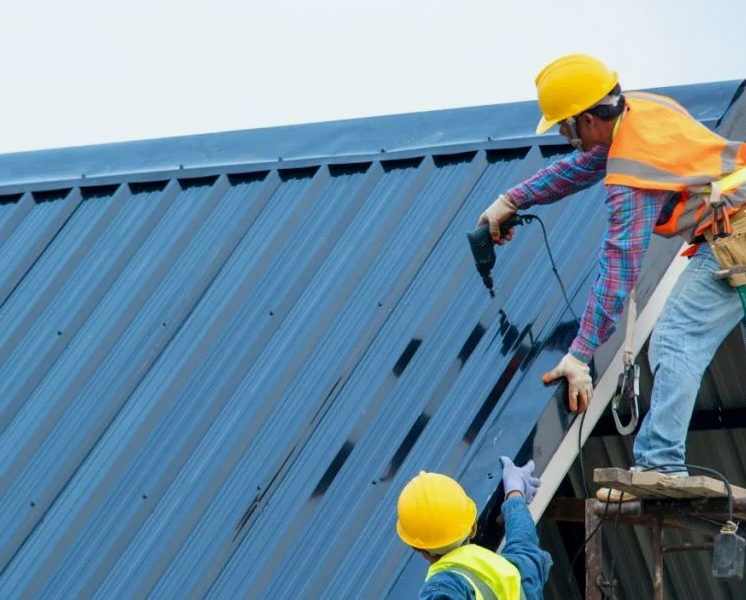
A commercial roof plays a critical role in protecting a business property, its employees, equipment, inventory, and daily operations. Unlike residential roofing, commercial systems can cover large surface areas and often include complex drainage, ventilation, rooftop equipment, insulation, and membrane assemblies. When persistent leaks, widespread deterioration, storm damage, or recurring repair requirements begin affecting the roof, commercial roof replacement may become a more practical solution than continuing with temporary repairs. Making the decision at the right time can help property owners reduce disruption and address roofing problems before they spread into more expensive building damage.
Replacing a commercial roof is a major investment, so business owners need more than a basic installation estimate. They must consider the existing roof’s condition, building design, material selection, drainage, insulation, project scheduling, budget, and future maintenance requirements. A professional roofing assessment can provide valuable information about whether replacement is necessary and which system may be appropriate. By understanding the process before work begins, property owners can make informed decisions and select a roofing solution that supports the building’s needs for years to come.
When Is Commercial Roof Replacement Necessary?
Aging alone does not always mean a commercial roof needs to be replaced, but age combined with recurring problems can be a strong warning sign. Frequent leaks, deteriorated seams, damaged flashing, ponding water, exposed roofing materials, extensive surface wear, and repeated emergency repairs may indicate that the existing system is reaching the end of its practical service life. Property owners should also consider how much has already been spent on repairs and whether additional repairs are likely to provide meaningful long-term value. A professional inspection can help determine whether problems are localized or widespread. If deterioration affects significant portions of the roofing system, continuing to patch individual areas may become less economical than investing in a comprehensive replacement. The goal should be to evaluate the roof as an entire system rather than reacting to individual leaks as they appear.
Why a Professional Roof Inspection Should Come First
Before approving a replacement project, property owners should obtain a detailed assessment of the existing roof. A professional inspection can examine areas that are difficult to evaluate from the ground, including seams, flashing, drainage components, penetrations, rooftop equipment connections, insulation, and visible structural concerns. The inspector can also look for evidence of previous repairs or modifications that may affect the roof’s current performance. This information helps establish the actual scope of work and prevents property owners from making decisions based solely on visible symptoms. In some situations, portions of a roofing system may remain serviceable while other sections require substantial work. Understanding these differences allows the owner to compare repair, restoration, and replacement options more intelligently and choose a solution based on the property’s actual condition.
Choosing the Right Commercial Roofing System
The appropriate roofing material depends on the building rather than a universal preference. Commercial properties may use systems such as single-ply membranes, modified bitumen, built-up roofing, metal roofing, or other specialized assemblies. Each option has different characteristics related to installation, durability, maintenance, energy performance, repairability, and cost. Roof slope, drainage design, climate exposure, rooftop traffic, equipment placement, and the property’s intended use should all be considered before selecting a system. Business owners should also think about how the building may change in the future. New mechanical equipment, renovations, solar installations, or changes in occupancy can affect the roofing system. A knowledgeable contractor can explain the advantages and limitations of suitable options and help the owner select materials that balance current requirements with long-term property plans.
Planning a Replacement Around Business Operations
Commercial roofing projects can create temporary disruptions, particularly when work takes place over occupied areas. Noise, material deliveries, construction equipment, restricted access, and changes to parking or loading areas may affect employees, customers, tenants, or suppliers. These factors should be discussed before the project begins. A detailed schedule can help contractors coordinate work around important business activities and identify areas where temporary protection or access arrangements may be necessary. For warehouses, offices, retail buildings, industrial facilities, and multi-tenant properties, communication is especially important because multiple groups may be affected by the project. A well-organized contractor should explain the expected sequence of work and keep the property owner informed about significant changes. Careful planning cannot eliminate every inconvenience, but it can make the replacement process substantially more manageable.
Understanding Commercial Roof Replacement Costs
The cost of replacing a commercial roof varies considerably from one property to another. Roof size is an important factor, but it is only one part of the overall calculation. Existing roofing removal, disposal, insulation, decking conditions, material selection, drainage modifications, accessibility, labor, rooftop equipment, and project complexity can all affect the final cost. Property owners should therefore be cautious about comparing contractors based exclusively on the lowest initial estimate. A proposal should clearly explain what work is included and identify potential conditions that could affect the project after the existing roof is removed. It is also sensible to consider the long-term cost of ownership. A system with a higher installation price may offer advantages in durability or maintenance that make it more appropriate for a particular building. Comparing initial investment, expected maintenance, service requirements, and overall suitability provides a more useful basis for decision-making.
Installation Quality Is Essential to Roof Performance
The quality of installation can have a major influence on how a commercial roofing system performs. Critical areas such as seams, edges, flashing, penetrations, drains, curbs, and transitions require careful attention during installation. Errors in these areas can create vulnerabilities even when high-quality materials have been selected. Business owners should choose contractors with demonstrated experience installing the specific roofing system proposed for their property. A clear scope of work, appropriate safety procedures, professional project management, and consistent communication are also important considerations. Property owners should understand who will supervise the installation and how completed work will be inspected. Choosing a contractor based solely on price can create unnecessary risks if the proposal does not account for important installation details. Quality workmanship should be treated as an essential part of the investment rather than an optional upgrade.
Maintaining the Roof After Replacement
A new commercial roof still requires regular attention to maintain its condition. Routine inspections can identify developing concerns involving drainage, flashing, seams, penetrations, rooftop equipment, and areas exposed to frequent foot traffic. Drains and other water-management components should be kept clear of debris so rainfall can move away from the building efficiently. Maintenance crews should also take care when accessing the roof because unnecessary foot traffic or careless equipment handling can damage roofing materials. Property owners should maintain records of inspections, repairs, warranties, and modifications made after installation. These records can help contractors understand the roof’s history during future inspections. Addressing minor issues promptly can also reduce the chance that they develop into larger problems requiring extensive repairs. A proactive maintenance program protects the investment made during replacement and helps property owners manage future roofing expenses more predictably.
Conclusion
Commercial roof replacement is a significant property investment that deserves careful evaluation rather than a rushed decision. Business owners should begin with a professional inspection, understand the condition of the existing roofing system, compare appropriate materials, establish a realistic budget, and plan the installation around business operations. Contractor experience and installation quality are just as important as the roofing material itself, while regular maintenance remains essential after the new system is installed. By considering immediate needs alongside long-term performance, property owners can choose a roofing solution that provides dependable protection and supports the continued use of the building. A thoughtful replacement strategy can also reduce recurring repair concerns and give businesses greater confidence in the condition of one of their property’s most important protective systems.