Commercial plumbing plays an important role in keeping Melbourne businesses safe, functional and operational. From retail stores and restaurants to offices, warehouses and other commercial properties, reliable plumbing infrastructure is essential for daily activities. A blocked drain, leaking pipe, damaged fixture or failed hot-water system can quickly interrupt business operations and create additional costs if the problem is not addressed appropriately.
For this reason, businesses often work with commercial plumbing companies in Melbourne for planned maintenance, emergency repairs and new plumbing installations. Understanding how commercial plumbing works, which problems commonly occur and how regular maintenance can reduce disruption helps property owners and managers make better decisions about their building’s plumbing systems.
Understanding Commercial Plumbing Systems
Commercial plumbing is generally more complex than residential plumbing because commercial buildings can have larger water demands, multiple bathrooms, kitchens, staff facilities, drainage networks and specialised equipment.
A commercial plumbing system may include:
- Water supply and distribution pipes
- Hot-water systems
- Toilets, basins and commercial fixtures
- Kitchen and food-service plumbing
- Floor wastes and drainage systems
- Sewer connections
- Stormwater drainage
- Backflow prevention devices
- Grease traps and related drainage equipment
- Gas and plumbing infrastructure where applicable
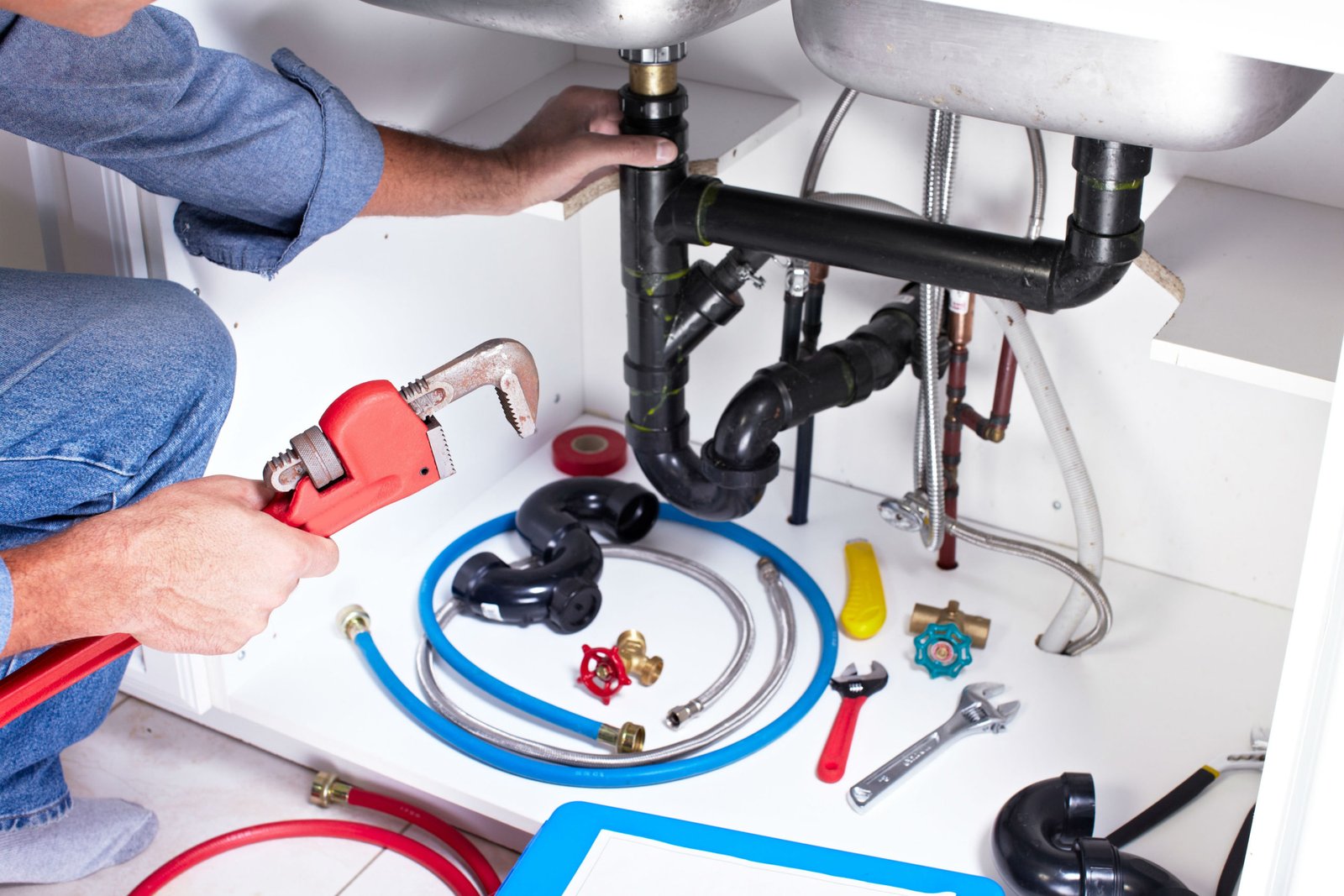
The size and complexity of these systems mean that diagnosing a problem often requires more than simply replacing a faulty fixture. A recurring blockage, for example, may indicate an underlying drainage issue rather than an isolated obstruction.
A professional assessment can help identify the actual cause and determine whether repair, cleaning, replacement or system improvement is appropriate.
Commercial Plumbing Repairs in Melbourne
Plumbing problems can occur in any commercial plumbing company melbourne property, regardless of its age or size. Some issues develop gradually, while others require immediate attention.
Common commercial plumbing problems include leaking taps, burst pipes, blocked toilets, overflowing drains, low water pressure and faulty hot-water equipment. Businesses with kitchens or food-preparation areas may also experience grease-related drainage problems.
1. Blocked Drains
Blocked drains are among the most common plumbing issues. Food waste, grease, foreign objects, sediment and accumulated debris can restrict water flow.
Repeated blockages should not simply be treated as isolated incidents. If the same drain continues to block, there may be a deeper issue involving pipe condition, incorrect drainage falls, root intrusion or a damaged section of pipe.
Drain cleaning and appropriate diagnostic methods can help determine the underlying cause.
2. Leaking and Burst Pipes
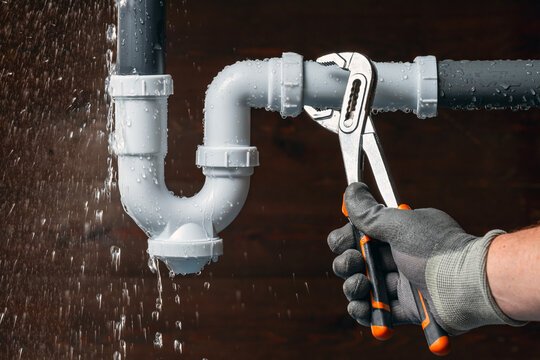
A small leak can waste water and gradually damage walls, ceilings, flooring or surrounding structures. A burst pipe can be considerably more disruptive, particularly in retail premises, offices and warehouses.
Businesses should know where their main water isolation valve is located. Quickly shutting off the water supply during a major leak can help limit property damage while professional assistance is arranged.
3. Hot-Water Problems
Commercial premises often rely on hot water for bathrooms, kitchens, cleaning areas and specialised operations. Problems may include insufficient hot water, inconsistent temperature, leaking tanks or system failure.
The appropriate solution depends on the building’s requirements, existing equipment, energy use and expected demand.
Planned Maintenance Can Reduce Disruption
Emergency repairs are important, but preventive maintenance can be equally valuable. Commercial plumbing systems operate regularly, and small defects can become expensive problems when they remain unnoticed.
A planned maintenance program may include:
- Inspecting visible pipework and plumbing fixtures
- Checking for leaks
- Cleaning drainage systems
- Examining hot-water equipment
- Checking water pressure
- Inspecting commercial bathrooms
- Reviewing recurring drainage problems
- Checking relevant valves and isolation points
- Assessing areas vulnerable to water damage
The exact maintenance schedule should reflect the building’s age, usage, plumbing design and operating environment.
For example, a busy restaurant may require more frequent drainage and grease-management attention than a small office. Likewise, a large retail facility with multiple amenities may need scheduled inspections to identify leaks and fixture problems before they affect customers or employees.
Plumbing Installation and Commercial Renovations
Commercial plumbing is not limited to repairs. New installations are often required when businesses renovate, expand or change the purpose of a property.
Retail renovations may involve relocating sinks, installing new bathrooms, adding staff facilities or modifying plumbing for food and beverage operations. Offices may require additional amenities as occupancy changes, while warehouses and industrial properties can have different water and drainage requirements.
A commercial plumbing company in Melbourne may be involved at different stages of a project, including:
- Reviewing the existing plumbing infrastructure.
- Identifying required water and drainage connections.
- Planning pipework and fixture locations.
- Coordinating plumbing work with other trades.
- Installing appropriate fixtures and pipework.
- Testing the completed system.
- Addressing maintenance requirements after installation.
Early coordination is particularly important during commercial construction and renovation. Plumbing locations can affect walls, cabinetry, flooring, electrical work and other building services. Identifying requirements before construction begins can therefore reduce unnecessary changes later.
Choosing a Local Commercial Plumbing Service
When a business searches for a local commercial plumbing service near me, location is only one consideration. Commercial property owners should also look at experience, communication, response procedures and the ability to work within commercial environments.
Useful questions to consider include:
- Does the provider have experience with commercial properties?
- Can it handle both planned maintenance and repair work?
- Is the scope of work clearly explained?
- Are relevant plumbing requirements considered?
- Can the provider coordinate with other contractors?
- Does it provide appropriate documentation where required?
- Are recurring problems investigated rather than repeatedly patched?
A local provider can also be familiar with Melbourne’s diverse commercial property types and the practical challenges associated with maintaining plumbing infrastructure in established buildings.
For example, Pro Tap Plumbing and Maintenance provides plumbing services relevant to residential and commercial property requirements in Melbourne VIC, Australia. For businesses, the important consideration is understanding the specific plumbing problem and matching the work to the property’s operational requirements rather than relying on a one-size-fits-all approach.
Current Trends in Commercial Plumbing
Commercial plumbing is also being influenced by broader changes in building management and sustainability.
Water Efficiency
Businesses are increasingly interested in reducing unnecessary water consumption. Water-efficient fixtures, improved leak detection and appropriate maintenance can help reduce wastage without compromising normal operations.
Preventive Maintenance
Property managers are placing greater emphasis on planned inspections rather than waiting for failures. Maintenance records can help identify recurring issues and establish useful service schedules.
Smarter Building Management
Modern commercial buildings may incorporate monitoring technologies that help identify unusual water consumption or potential leaks. These systems can provide useful information for facility managers, particularly in larger properties.
Sustainable Upgrades
During renovations, businesses may consider replacing outdated fixtures or inefficient equipment with modern alternatives. The suitability of an upgrade depends on building requirements, regulations, expected usage and long-term operating considerations.
Practical Steps for Melbourne Businesses
Businesses can take several straightforward measures to reduce plumbing-related disruption.
Know the isolation points: Staff or facility managers should know where important water shut-off valves are located.
Respond to leaks quickly: Even minor leaks deserve attention because prolonged water exposure can cause structural and mould-related problems.
Monitor recurring blockages: A drain that repeatedly becomes blocked may indicate an underlying problem requiring investigation.
Maintain hot-water systems: Regular inspection can help identify leaks, performance problems or ageing components.
Keep service records: Documentation of repairs and maintenance can help identify patterns and assist with future planning.
Plan plumbing during renovations: Plumbing requirements should be considered before walls, floors, cabinetry or other finished elements are installed.
Use qualified professionals: Commercial plumbing work can involve complex systems and regulatory requirements, so appropriate professional expertise is important.
Final Takeaway
Commercial plumbing supports the everyday operation of Melbourne’s retail, hospitality, office, industrial and other business properties. Effective plumbing management involves more than responding to emergencies. Regular maintenance, appropriate repairs and carefully planned installations can help businesses protect their facilities and reduce operational disruption.
When comparing commercial plumbing companies in Melbourne, businesses can benefit from considering technical experience, maintenance capability, communication and familiarity with commercial environments. Whether the requirement involves a blocked drain, leaking pipe, hot-water issue, plumbing renovation or new installation, understanding the underlying problem is an important first step toward selecting an appropriate solution.
Read More: