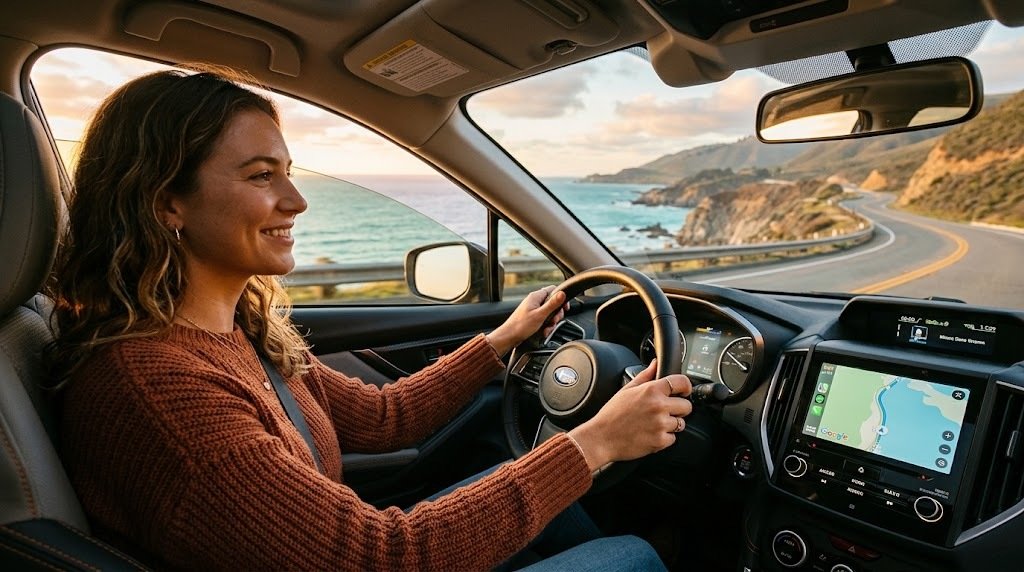
Driving alone can feel surprisingly intimidating, especially when you are still getting used to making decisions without someone sitting beside you. Even if you drove confidently with an instructor, parent, or experienced friend, the first few solo trips can bring a completely different feeling. Suddenly, there is no one to tell you when to change lanes, where to turn, or what to do when traffic gets busy. The good news is that this discomfort is normal, and it usually becomes easier with steady practice.
If you want to build confidence behind the wheel, structured practice can make a big difference. Professional Driving Lessons Vancouver can help you develop practical skills, understand local road conditions, and become more comfortable making decisions independently. Once you start combining those skills with regular solo driving, situations that once felt stressful can gradually become routine.
Why Driving Alone Can Feel Uncomfortable
Feeling nervous when driving alone does not necessarily mean you are a bad driver. In many cases, the anxiety comes from being responsible for everything yourself. You may worry about making a mistake, missing a turn, dealing with aggressive drivers, parking in an unfamiliar area, or getting stuck in heavy traffic.
There is also a mental adjustment involved. When another person is in the passenger seat, you may naturally rely on their presence for reassurance. Once they are gone, you become more aware of every decision you make.
The key is not to expect yourself to feel completely confident immediately. Confidence usually develops after you repeatedly handle ordinary driving situations successfully.
Start With Short, Familiar Trips
One of the easiest ways to become comfortable driving alone is to avoid making your first solo trip unnecessarily difficult.
Instead of immediately driving across a busy part of the city, choose a familiar route. You might drive to a nearby grocery store, coffee shop, workplace, or another location you already know well.
Short trips allow you to focus on driving without overwhelming yourself with unfamiliar roads.
As these trips become easier, gradually increase the distance and complexity. For example, you could progress from:
- A quiet neighborhood route
- A familiar local road
- A slightly busier area
- A longer trip across town
- A route involving highways or more complex intersections
This gradual approach gives your brain time to adjust instead of forcing you into a stressful situation.
Practice During Quieter Times
Traffic conditions can have a major effect on how comfortable you feel. If you are still developing confidence, there is little benefit in deliberately putting yourself into the busiest traffic possible.
Try driving during quieter periods when you have more space and fewer distractions. Early weekend mornings, for example, may be easier than weekday rush hour.
Once you feel comfortable in lighter traffic, gradually introduce busier conditions.
The goal is not to avoid difficult situations forever. It is to build enough experience that you can handle them calmly when they occur.
Know Your Route Before You Leave
Uncertainty can make solo driving much more stressful. If you are constantly wondering where you need to turn, you may pay less attention to what is happening around your vehicle.
Before leaving, take a moment to review your route. Check where you need to turn, identify major intersections, and have your navigation ready before you start moving.
If possible, familiarize yourself with the route beforehand.
You do not need to memorize every street. You simply want a general idea of where you are going so you can concentrate on driving rather than trying to figure everything out at the last second.
Avoid Distracting Yourself With Your Phone
Navigation can be useful, but your phone should never become a source of distraction.
Set your destination before driving and use voice directions when available. Keep your attention on the road, traffic signs, pedestrians, cyclists, and other vehicles.
If you miss a turn, do not panic. Missing a turn is usually much safer than making a sudden lane change or unsafe maneuver to correct it. Let the navigation system recalculate and continue safely.
Focus on the Driving Task, Not Your Anxiety
One common mistake nervous drivers make is constantly checking how nervous they feel.
You might think, “Am I driving well?” or “What if I make a mistake?” every few seconds. Unfortunately, this can make you more distracted and increase your anxiety.
Instead, bring your attention back to the driving task.
Look ahead, check your mirrors, maintain an appropriate speed, observe signs, and leave enough space between your vehicle and the one ahead.
Breaking driving into simple actions helps keep your mind focused on what is actually happening rather than imagining everything that could go wrong.
Give Yourself Extra Time
Rushing creates unnecessary pressure.
If you know you need to arrive somewhere at 9:00 a.m., do not leave at 8:50 and expect everything to go perfectly. Give yourself enough time to deal with traffic, find parking, or take a wrong turn without feeling rushed.
Extra time also makes it easier to maintain safe driving habits.
You can drive at a comfortable speed, check intersections properly, and make decisions without feeling that every second matters.
Improve Your Parking Confidence
For many new drivers, parking is one of the biggest sources of anxiety when driving alone. This is especially true when visiting unfamiliar shopping centers, busy streets, or crowded parking lots.
The solution is simple: practice parking deliberately.
Spend some time practicing in a quiet parking area. Work on reversing into spaces, pulling into spaces, parallel parking, and positioning your vehicle correctly.
You do not need to become perfect overnight. The more frequently you practice, the more naturally these movements will feel.
When parking somewhere unfamiliar, take your time. It is perfectly acceptable to choose a less crowded space that gives you more room to maneuver.
Learn How to Handle Small Mistakes
Being comfortable alone does not mean never making mistakes. Every driver occasionally misses an exit, chooses the wrong lane, stalls, parks awkwardly, or takes a wrong turn.
What matters is how you respond.
A small mistake does not automatically become a dangerous situation. Stay calm, slow down when appropriate, and correct the situation safely.
For example, if you miss your turn, continue to a safe location where you can turn around or allow your navigation system to provide a new route.
Do not let embarrassment push you into making a rushed decision.
Build Confidence Through Repetition
Confidence behind the wheel is often less about one big breakthrough and more about repeated everyday experiences.
The first time you drive alone to a new location may feel stressful. The second time may feel slightly easier. After several trips, you may barely think about it.
That is how familiarity works.
Try to create a regular driving routine rather than driving once every few weeks. Consistent practice keeps your skills fresh and helps reduce the feeling that every trip is a major challenge.
Challenge Yourself Gradually
Once familiar routes feel comfortable, start adding small challenges.
You might drive somewhere new, practice during moderate traffic, use a larger intersection, or take a slightly longer route.
Do not increase every difficulty at once.
For example, if you are comfortable driving locally but nervous on highways, first practice longer local routes. Then consider a short highway trip during a quieter period. Once that feels manageable, gradually increase the distance.
This creates a sense of progress without overwhelming you.
Keep Track of Your Progress
It can be helpful to notice what you can do now that used to make you nervous.
Maybe you once avoided driving after dark but can now handle a short evening trip. Perhaps parking used to make you uncomfortable, but you can now park confidently in a busy lot.
Recognizing these improvements matters.
Confidence grows when you realize that you have already handled situations that once seemed difficult.
Take Care of Yourself Before Driving
Your physical and mental condition can affect your confidence.
If you are exhausted, extremely stressed, hungry, or distracted by personal problems, driving may feel more difficult than usual.
Before a trip, make sure you are reasonably rested and focused. Take a few calm breaths before starting the engine and give yourself a moment to settle.
If you are feeling unusually overwhelmed, there is nothing wrong with postponing a non-essential trip until you are in a better state to drive safely.
Know When to Get Additional Practice
Sometimes nervousness does not improve simply through independent practice. If you consistently struggle with certain situations, professional instruction can help.
An experienced instructor can observe your driving, identify specific weaknesses, and show you safer ways to approach challenging situations. This can be particularly useful for highway driving, parking, lane changes, intersections, or driving in heavier traffic.
Additional lessons are not a sign that you have failed. They are simply another way to strengthen your skills and build confidence.
Remember That Confidence Comes With Experience
You do not have to become a fearless driver to become a comfortable driver.
Even experienced drivers can feel cautious when dealing with unfamiliar roads, severe weather, heavy traffic, or unusual situations. The difference is that experience helps them respond without immediately becoming overwhelmed.
Your goal should be controlled, attentive, and responsible driving.
Give yourself permission to learn gradually. Start with manageable trips, practice regularly, prepare your routes, allow extra time, and increase challenges as your skills improve. Most importantly, do not judge yourself based on one difficult drive.
Driving alone becomes easier when the experience stops feeling like a test and starts feeling like an ordinary part of your day.
Conclusion
Becoming comfortable driving alone takes time, patience, and consistent practice. Start with familiar routes, drive during quieter periods, prepare your destination in advance, practice parking, and gradually expose yourself to more challenging situations. When you make a mistake, focus on correcting it safely rather than letting embarrassment take over. If you need additional guidance, Benche Driving School can help you strengthen your driving skills and develop the confidence needed to handle the road more independently. With regular practice and the right mindset, solo driving can eventually feel less like a stressful challenge and more like the freedom and convenience it is meant to provide.