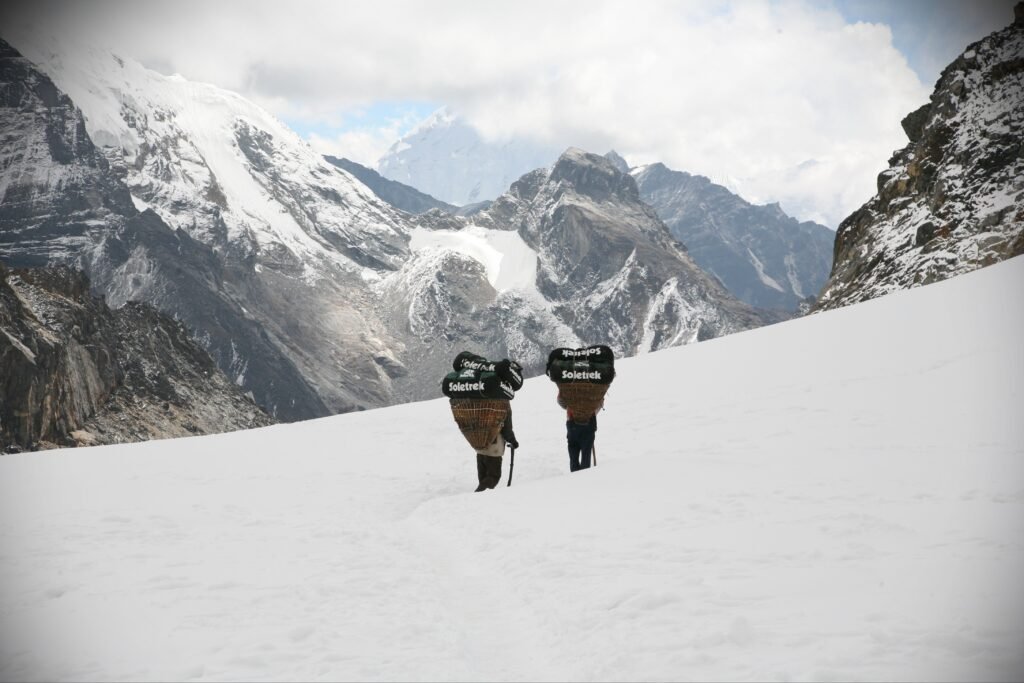
The Himalayas offer a world of snowy peaks, steep trails, and exciting challenges for mountain lovers. Climbing in Nepal 2026 is a great way to explore these mountains, test personal limits, and enjoy some of the most beautiful views on Earth. From beginner-friendly trekking peaks to demanding high-altitude climbs, Nepal has adventures for many levels of experience. With good planning, the right gear, and skilled support, climbers can enjoy a rewarding journey in the heart of the Himalayas.
Why Choose Nepal for Mountain Climbing in 2026?
Nepal is home to eight of the world’s fourteen mountains above 8,000 meters, including Mount Everest. Its mountain regions offer a wide range of climbing trips, from short adventures to long expeditions.
Climbers can travel through green valleys, quiet villages, and high mountain passes before reaching snowy slopes. The journey also offers a chance to learn about local cultures and meet people who live in the Himalayas. Prayer flags, old monasteries, and traditional villages add meaning to the adventure.
Each climbing route has its own level of difficulty. Choosing a climb that matches personal skills and fitness is an important first step.
Explore Popular Peaks for Climbing in Nepal
Nepal has several well-known peaks that attract climbers from around the world.
-
Island Peak (6,189 m): Located in the Everest region, Island Peak is a popular choice for climbers who want to gain high-altitude mountaineering experience. It requires basic climbing skills and proper training.
-
Mera Peak (6,476 m): Mera Peak is known for its high summit and wide views of the Himalayan mountains. Although often described as a trekking peak, it still requires strong fitness and careful preparation.
-
Lobuche East (6,119 m): This climb offers steep sections and a more technical challenge in the Everest region. Previous mountaineering experience is helpful.
-
Yala Peak (about 5,732 m): Located in the Langtang region, Yala Peak is a lower-altitude option often chosen by climbers who want an introduction to Himalayan climbing. Conditions can still be difficult, so preparation remains important.
For experienced mountaineers, Nepal also offers major expeditions to peaks such as Ama Dablam and Mount Everest. These climbs demand advanced skills, strong fitness, and detailed planning.
Choose the Best Season for Climbing
The season can make a big difference to a climbing trip. Spring, from March to May, is a popular time for many Himalayan climbs. The weather often becomes more stable, and temperatures can be more suitable for high-altitude travel.
Autumn, from September to November, is another good season for many trekking peaks. The skies are often clear after the monsoon, offering wide mountain views.
Winter brings very cold temperatures and harsh conditions on many peaks. The monsoon months can bring heavy rain, clouds, and slippery trails in lower areas. The best season depends on the mountain, route, and current weather conditions, so climbers should seek local advice before booking.
Prepare for a Safe and Successful Climb
Mountain climbing takes more than a love of adventure. Climbers need strength, stamina, and the ability to handle long days at high altitude. Start training weeks or months before departure with regular hikes, uphill walks, and exercises that build leg strength and endurance.
The right equipment is also vital. Depending on the climb, climbers may need mountaineering boots, crampons, an ice axe, a helmet, a harness, warm layers, gloves, and suitable sleeping gear.
Altitude sickness is a serious risk in the Himalayas. A good itinerary should allow time for acclimatization and rest. Follow the guide’s advice, walk at a steady pace, and report symptoms such as headaches, nausea, dizziness, or unusual tiredness. Severe or worsening symptoms require prompt descent and medical help.
Plan Your Adventure with Nepal Social Treks and Expedition
Planning a climbing trip involves permits, transport, accommodation, equipment, route details, and safety support. Nepal Social Treks and Expedition helps travelers arrange these key services for their Himalayan adventures.
Services may include experienced climbing guides, porters, transportation, accommodation, permit arrangements, customized itineraries, and advice on gear and training. The team can help travelers choose a suitable peak based on their experience, fitness, schedule, and goals.
Before booking, climbers should discuss the route, required skills, safety arrangements, acclimatization days, and emergency plans. Suitable travel insurance that covers high-altitude climbing and emergency evacuation is also important. Good support can help the journey run smoothly, but no climb is free from risk.
Conclusion
Climbing in Nepal in 2026 offers a chance to explore remarkable mountains, experience local culture, and take on a personal challenge. From Island Peak and Mera Peak to more demanding expeditions, each climb brings its own rewards and risks.
Choose a suitable mountain, train well, pack the right equipment, and allow enough time to adjust to the altitude. With careful planning and respect for mountain conditions, a Himalayan climbing adventure can become a lasting memory.