Anyone who has worked around industrial piping systems knows that thermal movement, vibration, and mechanical stress are constant challenges. This is where belt expansion joints come into play. These flexible connectors are designed to absorb movement, reduce stress on pipelines, and extend the operational life of ducting and piping systems across various industries.
What Are Belt Expansion Joints?
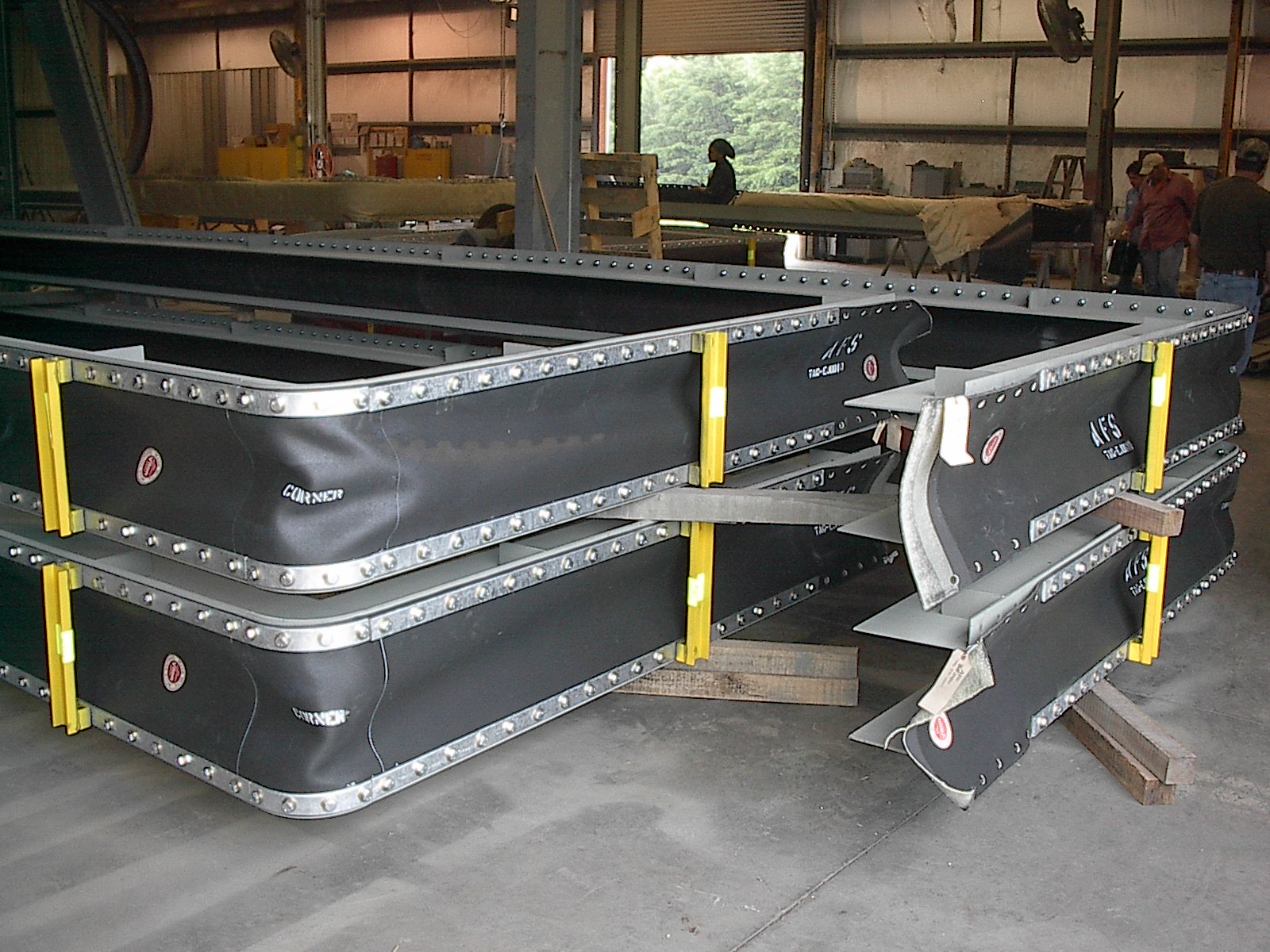
Belt expansion joints are flexible connectors made from reinforced fabric or elastomeric materials, engineered to accommodate axial, lateral, and angular movement in piping and ducting systems. Unlike rigid metal connectors, belt expansion joints offer superior flexibility, allowing them to absorb vibration, thermal expansion, and misalignment without transferring stress to adjoining equipment.
At AFS Joints, engineers understand that selecting the right expansion joint isn’t just about fitting a gap—it’s about ensuring long-term reliability under demanding operational conditions. Belt expansion joints are widely used in HVAC systems, power plants, chemical processing facilities, and dust collection systems where movement absorption is critical.
Why Material Selection Matters: The Role of Viton Expansion Joints
Not all expansion joints are created equal, and material choice plays a huge role in performance. Among the various elastomer options available, viton expansion joints stand out for their exceptional resistance to high temperatures, chemicals, and oils. This makes them particularly suitable for industries dealing with aggressive media or extreme thermal cycling.
Viton, a synthetic rubber compound, offers durability that standard rubber compounds simply cannot match. When facilities require expansion joints capable of withstanding harsh chemical exposure or sustained high heat, viton expansion joints become the go-to solution. AFS Joints often recommends viton-based options for clients operating in chemical plants, refineries, and other environments where standard materials would degrade quickly.
Common Applications Across Industries
Belt expansion joints find their way into countless industrial applications, and understanding where they’re used helps clarify why proper selection matters so much.
HVAC and Ventilation Systems: Large ductwork systems experience thermal expansion and contraction as temperatures fluctuate. Belt expansion joints installed at strategic points prevent stress buildup that could otherwise lead to duct failure or seam separation.
Power Generation Facilities: Power plants generate significant heat and vibration. Expansion joints here must handle continuous thermal cycling while maintaining airtight seals, making material selection—including options like viton expansion joints—especially important.
Dust Collection and Air Pollution Control: Industrial dust collectors rely on ducting networks that shift slightly during operation. Flexible joints absorb this movement, preventing cracks and leaks that could compromise system efficiency.
Chemical Processing Plants: Facilities handling corrosive substances need expansion joints resistant to chemical degradation. This is precisely where viton expansion joints prove their worth, offering longevity that standard materials cannot provide.
Key Benefits of Installing Belt Expansion Joints
Facilities that invest in quality belt expansion joints typically see several operational advantages:
- Reduced Mechanical Stress: By absorbing movement, these joints protect connected equipment from fatigue and premature failure.
- Vibration Dampening: Belt expansion joints minimize vibration transfer, protecting sensitive equipment and reducing noise.
- Cost Savings: Preventing stress-related damage translates to fewer repairs and less unplanned downtime.
- Flexibility in Design: These joints accommodate various movement types—axial, lateral, and angular—making them adaptable to complex piping layouts.
AFS Joints has seen firsthand how proper installation of belt expansion joints can dramatically reduce maintenance costs over a system’s lifespan, particularly when paired with the right elastomer for the job.
Choosing the Right Expansion Joint for Your System
Selecting appropriate belt expansion joints requires evaluating several factors: operating temperature range, chemical exposure, pressure requirements, and the degree of movement the system experiences. Facilities operating in extreme conditions often lean toward viton expansion joints because of their proven resilience against heat and chemical attack.
It’s also worth considering installation requirements. Properly fitted expansion joints require accurate measurements and correct orientation to function as intended. Working with experienced suppliers who understand both the engineering and practical installation aspects—like the team at AFS Joints—can make a significant difference in system performance.
Maintenance Considerations
Even the most durable expansion joints benefit from periodic inspection. Signs of wear such as cracking, hardening, or visible degradation should prompt immediate evaluation. Facilities using viton expansion joints in high-heat environments should schedule regular checks, as even resilient materials have a service life influenced by operating conditions.
Routine maintenance not only extends the lifespan of belt expansion joints but also prevents unexpected failures that could halt production or create safety hazards.
Final Thoughts
Belt expansion joints play a quiet but essential role in industrial infrastructure, absorbing stress that would otherwise damage critical systems. Whether you’re managing HVAC ductwork, power generation equipment, or chemical processing lines, choosing the right joint—including specialized options like viton expansion joints—can significantly impact operational efficiency and equipment longevity.