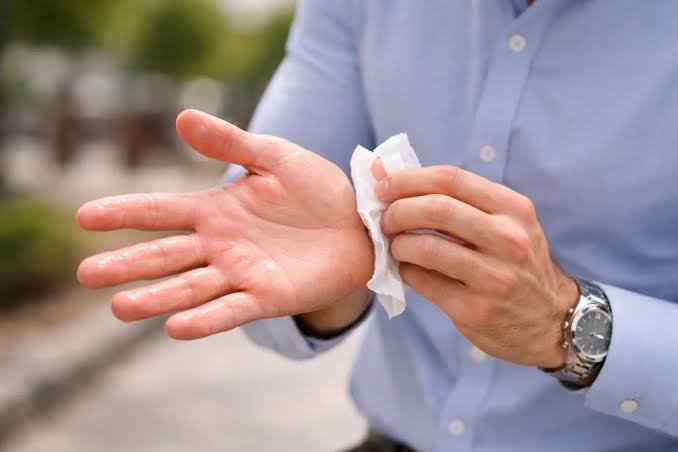
Excessive sweating can affect everyday activities, confidence, work and social interactions. For people living with hyperhidrosis, sweating may occur even when the weather is cool or the body does not need to regulate its temperature. It can affect the palms, soles, underarms, face or other areas of the body.
Many people explore nutritional supplements and natural approaches to manage this condition. But can Hyperhidrosis Supplements actually reduce excessive sweating? The answer depends on the underlying cause, the person’s nutritional status and the evidence supporting each supplement.
Although some vitamins and minerals support normal nerve function, metabolism and general health, there is currently limited scientific evidence that dietary supplements directly treat hyperhidrosis. Understanding this distinction can help you make informed decisions and avoid products that promise results without reliable research.
This article examines what science says about supplements, which nutrients may be worth discussing with a healthcare professional, and how natural approaches can complement established treatments for excessive sweating.
What Is Hyperhidrosis?
Hyperhidrosis is a condition characterised by sweating beyond what the body needs to maintain a normal temperature. Sweating is a natural cooling mechanism, but people with hyperhidrosis may experience excessive moisture during routine activities or even while resting.
There are two main types:
- Primary focal hyperhidrosis: Excessive sweating affects specific areas, such as the palms, feet, face or underarms. It often begins during childhood or adolescence and may run in families.
- Secondary hyperhidrosis: Excessive sweating results from another condition, medication or physiological change. Possible causes include thyroid disorders, diabetes-related problems, infections, menopause and certain medicines.
Identifying the type matters because the best management approach depends on the cause. For example, a person with a nutritional deficiency may benefit from correcting it, whereas someone with primary focal hyperhidrosis may need a treatment that directly reduces sweat production.
Can Hyperhidrosis Supplements Reduce Excessive Sweating?
Research has not established that any particular vitamin, mineral or herbal supplement reliably treats hyperhidrosis. Some nutrients are essential for normal nerve and muscle function, but this does not mean taking extra amounts will stop overactive sweating.
The autonomic nervous system controls the sweat glands. In people with primary hyperhidrosis, the nerves that stimulate these glands can trigger excessive sweating without a corresponding need for body cooling.
Supplements may be relevant in certain situations, particularly when a healthcare professional identifies a deficiency or another underlying health issue. However, taking supplements without a clear reason may not improve symptoms and can sometimes cause harm.
A sensible approach is to view supplements as a possible part of general nutritional care, rather than a proven replacement for medical treatment.
1. Vitamin B Complex: Does It Affect Sweating?
B vitamins support energy metabolism, nerve function and the production of red blood cells. Vitamin B1, B6 and B12 are particularly important for normal neurological function.
However, there is no strong clinical evidence that taking a vitamin B complex supplement reduces primary hyperhidrosis. If excessive sweating occurs alongside a vitamin deficiency, treating that deficiency may improve overall health, but it should not be assumed to resolve the sweating itself.
What science says: Take B vitamins to address a demonstrated deficiency or meet your nutritional needs, rather than as a proven treatment for excessive sweating. High doses of vitamin B6 over long periods can cause nerve damage.
2. Vitamin D: Supporting General Health
Vitamin D contributes to bone health, muscle function and normal immune activity. People with limited sun exposure, certain dietary restrictions or specific medical conditions may have a greater risk of vitamin D deficiency.
Nevertheless, research has not established vitamin D supplementation as an effective treatment for hyperhidrosis. Sweating alone is not a reliable way to identify vitamin D deficiency.
What science says: A healthcare professional can recommend testing or supplementation when appropriate. Correcting low vitamin D levels is beneficial for general health, but it is not a proven way to control excessive sweating.
3. Magnesium: A Mineral for Nerve and Muscle Function
Magnesium helps regulate numerous processes in the body, including nerve signalling, muscle contraction and energy production. Some people explore magnesium supplements because stress and muscle tension accompany their sweating episodes.
However, there is insufficient clinical evidence that magnesium supplements directly reduce sweat production in people with hyperhidrosis.
What science says: Magnesium is an essential nutrient, but taking extra amounts is unlikely to provide a reliable solution when excessive sweating results from overactive sweat-gland signalling. Supplements can also interact with certain medicines, and high doses may cause diarrhoea or other adverse effects.
4. Vitamin C: Antioxidant Support
Vitamin C supports collagen formation, wound healing and normal immune function. It also acts as an antioxidant and helps the body absorb iron from plant-based foods.
Although vitamin C is important for health, no convincing clinical evidence shows that supplementation controls primary hyperhidrosis.
What science says: Eat vitamin C-rich foods such as oranges, berries, peppers and broccoli. Supplements may be appropriate when dietary intake is inadequate, but they should not be promoted as a proven excessive-sweating treatment.
5. Zinc: An Essential Trace Mineral
Zinc contributes to immune function, wound healing and normal growth. A deficiency can affect several bodily processes, making adequate intake important for general wellbeing.
However, zinc supplements have not been established as a treatment for excessive sweating. There is no strong evidence that taking additional zinc reduces overactive sweat-gland activity.
What science says: Supplementation may be appropriate for people with a confirmed deficiency or increased nutritional needs. Taking excessive zinc can cause nausea and interfere with copper absorption, potentially leading to other health problems.
6. Vitamin B12: Supporting Healthy Nerves
Vitamin B12 helps maintain healthy nerve cells and supports red blood cell production. A deficiency may cause neurological symptoms, fatigue and other health problems.
Some people investigate B12 supplements when they experience sweating alongside other symptoms. However, there is no reliable evidence that B12 supplementation directly treats primary hyperhidrosis.
What science says: A healthcare professional may recommend B12 testing when symptoms or risk factors suggest a deficiency. Correcting a deficiency is important, but B12 should not be considered a stand-alone treatment for excessive sweating.
7. Omega-3 Fatty Acids: General Wellness Support
Omega-3 fatty acids are found in oily fish, flaxseeds, chia seeds and some dietary supplements. They support normal cell function and contribute to overall health.
Although omega-3 fatty acids have been studied for various health conditions, there is insufficient evidence to recommend them specifically for hyperhidrosis.
What science says: Include omega-3-rich foods in a balanced diet if appropriate. Do not expect fish oil supplements to reduce sweating unless future research demonstrates a meaningful benefit.
8. Herbal Supplements: Are Natural Ingredients Effective?
Many people prefer plant-based products because they want to explore options beyond conventional medicines. However, the term natural does not automatically mean safe or effective.
Research on herbal products for hyperhidrosis is limited. Some herbs have traditionally been used for sweating associated with menopause or other circumstances, but evidence for treating primary hyperhidrosis remains insufficient.
Herbal products can also cause allergic reactions, interact with prescription medicines or vary in strength and purity. Speak with a healthcare professional before using herbal supplements, particularly if you take regular medication or have an existing health condition.
What science says: There is currently no well-established herbal supplement that reliably treats primary hyperhidrosis. Choose products carefully and avoid claims that promise a permanent cure.
9. Electrolytes: Do They Help With Excessive Sweating?
Sodium, potassium and other electrolytes help maintain fluid balance, nerve signalling and muscle function. Heavy sweating can increase fluid and electrolyte losses, particularly during exercise, hot weather or prolonged physical activity.
Replacing fluids and electrolytes may be useful when losses are substantial. However, electrolyte supplements do not generally address the underlying cause of hyperhidrosis.
What science says: Drink adequate fluids and consider electrolyte replacement when appropriate for the level of fluid loss. Most people do not need specialised electrolyte supplements for ordinary daily activities. People with kidney or heart conditions should seek medical advice about electrolyte products.
10. Probiotics: Is There a Connection With Sweating?
Probiotics contain live microorganisms that may provide health benefits in specific circumstances. They are commonly studied for digestive health and certain other conditions.
Although the gut microbiome is an active area of scientific research, there is currently insufficient evidence that probiotics reduce excessive sweating or treat primary hyperhidrosis.
What science says: Probiotics should not be considered an established treatment for hyperhidrosis. If you use them for another reason, choose a product appropriate to your needs and discuss any concerns with your healthcare professional.
Herbal Treatment for Hyperhidrosis: What Should You Consider?
A Herbal Treatment for Hyperhidrosis may appeal to people seeking a natural approach to symptom management. Before choosing a product, it is important to separate traditional use and marketing claims from evidence obtained through properly designed clinical trials.
Some herbal ingredients are studied for stress management or menopausal symptoms, which can sometimes coincide with sweating. However, these findings do not prove that the same ingredients treat primary hyperhidrosis.
Consider these precautions before using herbal products:
- Check the full ingredient list and recommended dosage.
- Ask a healthcare professional about possible interactions with your medicines.
- Avoid products claiming to cure hyperhidrosis permanently without credible evidence.
- Stop using a supplement and seek advice if you experience an adverse reaction.
- Do not delay investigating sudden or unexplained excessive sweating.
A balanced diet, suitable clothing, stress-management techniques and appropriate medical care may help you manage daily challenges. Herbal products should remain optional rather than replace treatments supported by clinical evidence.
Natural Remedies For Hyperhidrosis: Practical Ways to Manage Sweating
Although supplements have limited evidence, several practical measures may help reduce discomfort and make excessive sweating easier to manage.
Use an appropriate antiperspirant
Antiperspirants reduce sweat reaching the skin. Unlike deodorants, which mainly address odour, antiperspirants work by temporarily blocking sweat ducts. Stronger formulations may be needed for hyperhidrosis. Follow product instructions and seek advice if irritation occurs.
Identify your personal triggers
Keep a simple record of when sweating happens. Note possible associations with caffeine, spicy foods, alcohol, stressful situations, warm environments or particular activities. Triggers differ between individuals, so avoid unnecessary dietary restrictions.
Choose breathable clothing
Wear lightweight, breathable fabrics where practical. Moisture-wicking socks, absorbent underarm pads and spare clothing may also help you feel more comfortable during the day.
Manage stress
Stress can trigger or intensify sweating in some people. Slow breathing, regular physical activity and relaxation exercises may help manage stress-related episodes, although they do not cure hyperhidrosis.
These measures are useful components of Natural Remedies For Hyperhidrosis, but persistent or severe symptoms may require professional treatment.
When Should You Seek Medical Advice?
Arrange an appointment with a healthcare professional if sweating interferes with daily activities, affects your sleep or continues despite self-care measures.
Seek prompt medical assessment if excessive sweating begins suddenly, occurs predominantly at night without an obvious explanation or accompanies other concerning symptoms, such as unexplained weight loss or fever.
Sweating accompanied by chest pain, shortness of breath, faintness or nausea can indicate a medical emergency and requires immediate assessment.
A clinician may review your medical history, medicines and symptoms and recommend tests when an underlying condition is suspected. Treating the cause of secondary hyperhidrosis may be more effective than taking supplements.
Proven Treatment Options for Hyperhidrosis
The American Academy of Dermatology describes several established treatment options for excessive sweating. These include antiperspirants, prescription topical medicines, iontophoresis, botulinum toxin injections and oral medicines in suitable cases. Treatment depends on the affected area, severity and individual medical circumstances.
For example:
- Prescription antiperspirants: May help control sweating in specific areas.
- Iontophoresis: Uses a mild electrical current through water to help manage excessive sweating of the hands and feet.
- Botulinum toxin injections: Can temporarily reduce sweating in treated areas.
- Oral medicines: Certain prescription drugs reduce sweat production but can cause side effects.
- Specialist procedures: May be considered when other treatments are ineffective.
A dermatologist can help you choose an appropriate option. Supplements may address nutritional needs, but they should not replace treatments that have demonstrated clinical benefits.
Can Natural Herbs Clinic Products Help?
If you are researching supplements through Natural Herbs Clinic, review each product’s ingredients, dosage, safety information and evidence for its intended use.
No supplement should be assumed to treat hyperhidrosis simply because it is marketed as natural or herbal. Check whether claims are supported by reliable human studies specifically involving excessive sweating, rather than general wellness research or traditional use.
Discuss a product with your healthcare professional before starting it, especially if you take prescription medicines or have a medical condition. A responsible approach focuses on realistic expectations, transparent ingredient information and established medical care.
Frequently Asked Questions
Do Hyperhidrosis Supplements work?
There is currently insufficient evidence that any vitamin, mineral or herbal supplement reliably treats primary hyperhidrosis. Correcting a nutritional deficiency may support health, but it does not necessarily reduce excessive sweating.
Which vitamin deficiency causes excessive sweating?
Excessive sweating is not a reliable indicator of a specific vitamin deficiency. It may be associated with several medical conditions, medications or hormonal changes. A healthcare professional can assess possible causes.
Can herbal supplements stop sweating permanently?
No herbal supplement has been established as a permanent cure for hyperhidrosis. Be cautious of products promising guaranteed or permanent results.
Should I stop my prescribed hyperhidrosis treatment when taking supplements?
No. Do not stop or change prescribed treatment without consulting your healthcare professional. Supplements should not replace an effective treatment plan.
Conclusion
Hyperhidrosis can be frustrating, but effective management options are available. While vitamins, minerals, herbal products and other supplements may support general nutritional health, current evidence does not establish them as reliable treatments for excessive sweating.
Start by identifying possible triggers and seeking an appropriate diagnosis. Use evidence-based treatments where needed, and consider supplements only when there is a clear nutritional or medical reason to take them.
A careful, informed approach can help you manage symptoms more effectively while avoiding unnecessary products and unsupported health claims.
Medical disclaimer: This article is for educational purposes only and does not replace professional medical advice, diagnosis or treatment. Consult a qualified healthcare professional before starting supplements or herbal products for hyperhidrosis.