A successful landscaping project depends on more than choosing attractive plants or installing a new patio. The way different elements are positioned, how the ground is prepared, and how people move through the property all influence the finished result. When these details are considered together, an outdoor space can become easier to use, simpler to maintain, and better suited to the home’s architecture. Transformed Landscaping Co. helps homeowners plan outdoor improvements that bring practical features and visual appeal together.
Professional Landscape Installation in Austin gives property owners an opportunity to turn an unfinished or poorly organized yard into a space with a clear purpose. The installation process may involve planting beds, walkways, lawn areas, decorative borders, drainage improvements, or outdoor gathering spaces, depending on the property’s needs. A thoughtful plan establishes how these features will work together before installation begins, helping homeowners make informed decisions about layout, materials, and long-term care.
Preparing the Site for a Successful Installation
Site preparation is one of the most important stages of a landscaping project because the condition of the ground affects everything installed afterward. Compacted soil, unwanted vegetation, uneven surfaces, and existing drainage concerns may need attention before new features are added. Skipping this stage can lead to problems such as settling pathways, struggling plants, or water collecting in areas where it is not wanted.
For Landscape Installation in Austin, preparation should reflect the property’s actual conditions. Some yards may require selective grading, while others may benefit from soil improvement or the removal of unsuitable materials. Existing trees, underground utilities, building foundations, and neighboring properties must also be considered before excavation or significant changes to the ground. Transformed Landscaping Co. can help homeowners evaluate these factors so the installation plan is based on the site rather than assumptions.
Establishing Clear Boundaries Between Landscape Features
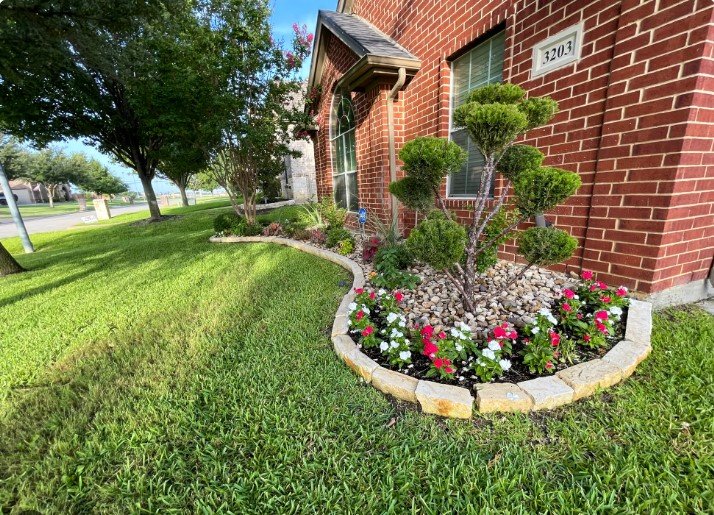
A well-organized yard often has clear transitions between different areas. Planting beds, lawn sections, pathways, and seating spaces should have defined boundaries that make the landscape easier to navigate and maintain. Without a coordinated layout, materials can spread into neighboring areas, plants may obstruct walking routes, and the yard can feel unfinished even when individual features look attractive.
Edging, changes in surface material, and carefully positioned planting borders can help define each section. The design should remain consistent with the size and shape of the property, avoiding unnecessary divisions that make the yard feel crowded. Effective Landscape Installation in Austin uses these boundaries to create order while allowing the different elements to complement one another. Simple transitions can improve the overall appearance without requiring complicated decorative features.
Installing Walkways That Improve Movement
Walkways connect important parts of a property, including entrances, patios, garden areas, and side-yard access points. Their placement should follow the routes people naturally take rather than forcing them to cross planting beds or walk across wet grass. A well-positioned path can also make garden maintenance easier by providing stable access to plants, outdoor equipment, and less frequently used sections of the yard.
Material selection and installation quality are essential for a durable pathway. The base must be suitable for the chosen surface, and the finished route should account for drainage, changes in elevation, and comfortable movement. In a Landscape Installation in Austin project, homeowners should consider how local weather and site conditions may affect the pathway over time. Appropriate preparation and a practical layout help create a route that remains useful with regular use.
Choosing Plants According to Their Final Size
New plants can make a property feel complete, but their placement requires careful planning. A shrub that looks small at installation may eventually block a window or narrow a walkway if its mature dimensions are ignored. Trees also need adequate space for their canopies and root systems, while ground covers should be selected according to the area they are expected to fill.
Planting decisions should reflect sunlight, soil, moisture, and exposure to heat. Native and regionally adapted species can be useful choices for Austin properties when their specific growing requirements match the location. A balanced planting arrangement combines different heights and textures without overcrowding the available space. Quality Landscape Installation in Austin considers how the garden will develop over several seasons, not just how it appears on the day the work is completed.
Coordinating Soil, Mulch, and Planting Beds
Planting beds need appropriate preparation to support healthy root development and make routine maintenance more manageable. Soil conditions vary across Austin, so the right approach depends on the existing ground and the plants selected. Soil testing or professional assessment may help identify whether amendments are needed, while careful bed preparation can improve planting conditions and reduce competition from unwanted vegetation.
Mulch can help moderate soil temperature, reduce moisture loss, and limit weed growth when applied appropriately. However, the material and depth should suit the plants and the conditions of the bed. Mulch should not be piled against tree trunks or plant stems, where excessive moisture can cause problems. During Landscape Installation in Austin, coordinating soil preparation, planting, and ground cover creates a more complete result and helps establish a practical routine for caring for the new landscape.
Integrating Drainage Into the Design
Water management should be considered before installing patios, paths, planting beds, or lawn areas. A new surface can change how rainwater moves across the yard, potentially creating runoff or pooling if the layout is not planned carefully. Even small changes in elevation may influence whether water drains away from important areas or collects around outdoor features.
The right approach depends on the site’s slope, soil, existing drainage, and surrounding structures. In some situations, adjusting grades or directing water toward an appropriate drainage area may be necessary. More complex concerns may require a qualified drainage professional. Well-planned Landscape Installation in Austin considers water movement as part of the overall design instead of treating it as a separate issue after installation. This helps protect the usability of outdoor spaces and supports healthier planting areas.
Completing the Landscape With Functional Details
Once the main features are installed, smaller details can make the property feel finished. These might include clean transitions between surfaces, carefully placed decorative stones, well-positioned garden features, or practical access to irrigation controls. The purpose of these additions is to improve the relationship between the landscape’s individual components rather than simply filling unused space.
Homeowners should also consider how the finished yard will be maintained. Garden beds need accessible edges, irrigation equipment should remain reachable, and plants should have enough room for routine care. Transformed Landscaping Co. can help homeowners consider these finishing details when planning a project. A coordinated Landscape Installation in Austin focuses on the complete experience of the property, from the first step through the entrance to the quieter areas at the back of the home.
Protecting the Results After Installation
The first weeks after installation are important, particularly for new plants and recently established lawn areas. Watering needs depend on plant type, weather, soil, and root development, so homeowners should follow a care plan appropriate to the materials installed. Newly planted areas should also be monitored for weeds, erosion, uneven watering, and signs of plant stress.
Long-term care becomes easier when the original design accounts for realistic maintenance needs. Periodic irrigation checks, seasonal pruning, mulch replenishment, and attention to drainage can help the landscape remain in good condition. Choosing suitable plants and durable materials from the beginning also reduces the likelihood of unnecessary replacements. With careful planning and consistent upkeep, Landscape Installation in Austin can provide a lasting improvement rather than a short-term visual change.
Conclusion
A successful landscaping project brings site preparation, clear layouts, durable pathways, appropriate plants, healthy planting beds, and effective water management into one coordinated plan. Each stage contributes to the appearance, function, and long-term performance of the finished property. Transformed Landscaping Co. helps homeowners approach outdoor improvements with attention to their property’s conditions and everyday requirements. By investing in thoughtful Landscape Installation in Austin, homeowners can create a more organized, attractive, and practical outdoor environment designed to serve them for years to come.