-
A commercial property’s landscape is often the first thing customers, employees, tenants, and visitors notice when they arrive. Healthy lawns, neatly maintained planting beds, well-defined walkways, and attractive outdoor spaces communicate professionalism before anyone enters the building. Effective commercial landscape maintenance helps businesses create a positive first impression while protecting their outdoor investments from neglect, seasonal changes, and everyday wear. For office complexes, retail centers, commercial facilities, and other business properties, a well-planned landscape is more than a decorative feature; it is an essential part of the property’s appearance, usability, and long-term value. Consistent care also helps property managers maintain a clean, organized environment that reflects the standards of the business operating within it.
Businesses need landscape care that goes beyond occasional mowing or trimming. They require a practical approach that accounts for local weather conditions, plant health, irrigation performance, drainage, and the demands of daily property use. Reliable commercial landscape maintenance brings these responsibilities together through scheduled inspections, timely corrective work, and thoughtful seasonal planning. With the right maintenance strategy, property owners can reduce avoidable deterioration, make outdoor areas more inviting, and manage landscaping expenses more effectively. Choosing an experienced provider such as Limitless Landscaping TX can help businesses approach these priorities with a clear plan that supports the appearance, functionality, and continued development of their outdoor spaces.
Understanding commercial landscape maintenance and Its Importance
Maintaining a commercial landscape requires a coordinated approach to appearance, plant health, and property functionality. Unlike residential gardens, business landscapes often experience frequent foot traffic, have larger lawn areas, and must maintain a consistent appearance throughout the working week. A comprehensive maintenance plan considers grass height, the condition of shrubs, seasonal planting, weed control, irrigation efficiency, and the cleanliness of paved areas. Property managers should begin by assessing the site’s current condition, identifying high-visibility areas, and determining which landscape features require frequent attention. Entranceways, signs, parking lot edges, and walkways generally deserve particular consideration because they influence visitors’ first impressions. Establishing clear maintenance standards helps teams recognize problems early and prioritize work according to the property’s needs. This structured approach supports a professional appearance while helping prevent small issues from developing into expensive repairs or landscape replacements.
Essential Services That Keep Commercial Properties Looking Their Best
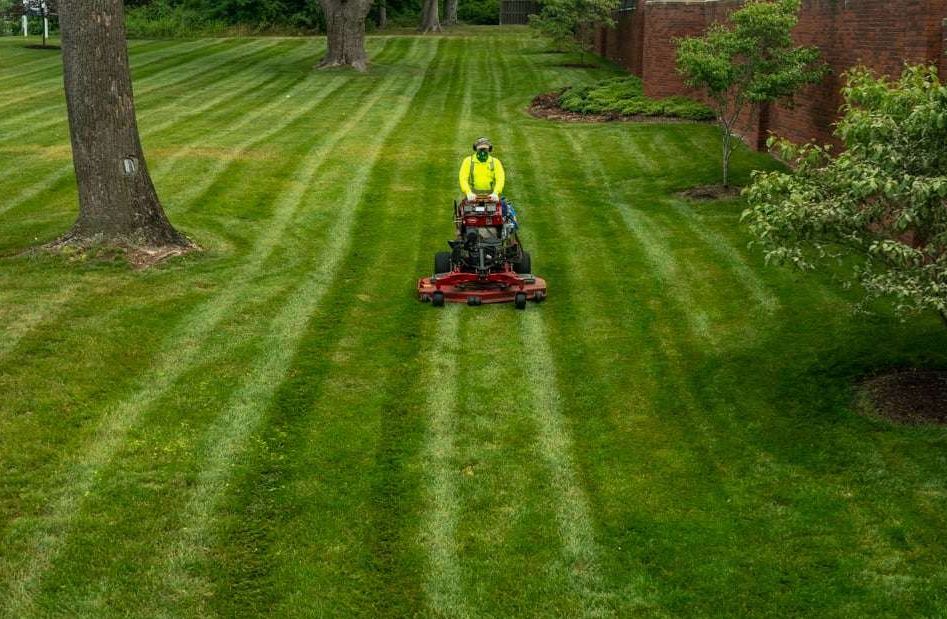
A dependable landscape care program combines several services rather than relying on lawn mowing alone. Regular mowing and edging create a neat appearance, while pruning helps shrubs and trees maintain appropriate shapes without obstructing signs, windows, or pedestrian routes. Weed management protects planting beds from unwanted competition, and mulching can help moderate soil temperature, conserve moisture, and create a more uniform finish. Irrigation inspections are equally important because broken sprinkler heads, uneven coverage, and leaking connections can waste water and damage plants. Drainage assessments help identify standing water and runoff concerns before they affect lawns, planting beds, or nearby structures. Landscape lighting may also require periodic inspection to maintain visibility around entrances and paths. Combining these tasks into one coordinated schedule makes maintenance more consistent and easier to manage. The ideal service mix depends on property size, landscape design, seasonal conditions, and the expectations of tenants, customers, and ownership teams.
How to Choose the Right Landscape Maintenance Provider
Selecting a landscape contractor involves more than comparing estimates. Businesses should evaluate the provider’s experience with similar properties, ability to maintain reliable schedules, communication practices, and willingness to tailor services to specific operational requirements. A useful proposal should explain the work included, expected visit frequency, seasonal adjustments, and the process for handling unexpected problems. Property managers should also clarify who will inspect completed work, how service concerns will be reported, and whether additional projects require separate approval. For properties with multiple buildings or shared outdoor spaces, consistent standards across the site are particularly important. Limitless Landscaping TX serves commercial properties and homeowners across Southlake, Westlake, Colleyville, Grapevine, and Trophy Club, Texas, offering maintenance alongside landscape design, installation, drainage, and lighting solutions. When assessing any provider, businesses should focus on clear expectations, relevant experience, and a practical plan that balances landscape quality with budget and scheduling needs. A transparent working relationship makes it easier to identify priorities and maintain accountability over time.
Building a Seasonal Maintenance Plan for Long-Term Results
Landscape requirements change throughout the year, making seasonal planning essential for healthy and attractive outdoor spaces. In warmer periods, mowing frequency, irrigation monitoring, and inspections for heat stress may need greater attention, particularly in exposed areas or newly planted beds. During cooler months, maintenance may shift toward pruning appropriate plant varieties, clearing fallen leaves, checking drainage, and preparing sensitive plants for changing temperatures. Spring is often a suitable time to assess winter damage, refresh mulch where needed, inspect irrigation systems, and identify areas that require replacement planting. Businesses should also consider local rainfall patterns and soil conditions rather than relying on a rigid calendar for every task. In the middle of this planning process, commercial landscape maintenance becomes most effective when service frequency reflects actual site conditions instead of applying identical routines throughout the year. Documenting observations from each visit allows property managers to identify recurring problems, adjust schedules, and allocate resources more intelligently. A flexible seasonal plan helps landscapes remain functional and presentable without unnecessary work or avoidable waste.
Managing Landscaping Costs Without Compromising Quality
A well-managed landscape budget accounts for both routine service expenses and the longer-term cost of keeping outdoor assets in good condition. Cutting maintenance too aggressively can lead to overgrown planting beds, declining turf, inefficient irrigation, and premature plant replacement, potentially increasing expenses later. Instead, businesses should prioritize work according to visibility, safety, plant health, and the consequences of delaying a task. For example, repairing a leaking irrigation line may prevent water waste and localized plant damage, while correcting poor drainage can help protect vulnerable areas from recurring deterioration. Choosing plants suited to local conditions can also reduce future demands for water, pruning, and replacement. Property managers should request itemized estimates and distinguish routine maintenance from optional improvements so spending remains transparent. Tracking recurring issues, service visits, water consumption where practical, and replacement costs can reveal opportunities for improvement. The goal is not to eliminate necessary landscape care but to direct spending toward activities that preserve appearance, support healthy growth, and reduce avoidable long-term costs.
Improving Safety, Accessibility, and Outdoor Usability
An attractive commercial landscape should also support the safe movement of employees, customers, residents, and visitors. Overgrown branches can obstruct sightlines, vegetation may encroach on walkways, and uneven surfaces or standing water can create potential hazards. Regular inspections should therefore include entrances, pedestrian routes, parking areas, steps, and transitions between paved surfaces and landscaped zones. Trees and shrubs should be maintained with appropriate clearance around signs, building access points, lighting fixtures, and visibility-critical areas. Irrigation systems should be checked for leaks or overspray that could leave walking surfaces slippery, while drainage issues should be addressed before water repeatedly accumulates in busy locations. Businesses should also consider how outdoor spaces are used at different times of day, particularly where evening operations make effective lighting important. Maintenance teams and property managers can coordinate observations and document concerns requiring specialist attention. By treating usability and safety as part of landscape planning, businesses can create outdoor environments that are welcoming, practical, and easier to manage throughout the year.
Conclusion
A successful commercial landscape depends on consistent care, informed planning, suitable plant selection, efficient irrigation, and attention to the needs of everyone using the property. Businesses that establish clear maintenance standards can improve curb appeal, protect valuable outdoor assets, manage recurring expenses, and identify potential problems before they become more difficult to resolve. Choosing a qualified provider, creating a seasonal schedule, reviewing service performance, and prioritizing safety are practical steps toward achieving lasting results. Ultimately, commercial landscape maintenance should be viewed as an ongoing investment in the appearance, functionality, and overall condition of a business property rather than an occasional cosmetic expense. Property owners and managers should begin with a detailed assessment of their outdoor spaces, define their priorities, and select a maintenance plan that fits their landscape, operating requirements, and budget. With the right combination of professional support and consistent oversight, a well-maintained landscape can reinforce a positive business image and provide lasting value for the people who depend on the property every day.