Car parks are among the most frequently used areas of commercial properties, residential complexes, shopping centres, and office buildings. Every day, vehicles bring in dust, sand, mud, and small stones, while pedestrians contribute litter, food packaging, and other waste. Over time, these materials can affect the appearance of the property and create additional maintenance concerns. Car Park Cleaning Gold Coast property managers arrange plays an important role in keeping parking facilities presentable, accessible, and easier to maintain. A well-planned cleaning routine also helps identify surface damage, drainage problems, and other issues before they become more difficult to address.
Maintaining a car park requires more than an occasional sweep or wash. Different surfaces collect different types of dirt, and weather conditions can influence how quickly debris accumulates. By understanding these factors, property owners can develop a practical maintenance schedule that suits their site and reduces unnecessary disruption.
Why Parking Areas Need Regular Maintenance
Parking areas experience constant movement, which makes them vulnerable to dirt and surface contamination. Vehicles can leave tyre marks, oil spots, and loose material, while wind carries leaves and rubbish into corners and against kerbs. In busy shopping centres, discarded packaging and drink containers can accumulate throughout the day. Industrial and commercial facilities may also collect dust from deliveries, loading activities, and nearby construction work.
The condition of a car park can deteriorate gradually when these materials are ignored. Dirt may hide cracks in the pavement, and accumulated leaves can obstruct drainage openings during rainy weather. Car Park Cleaning Gold Coast facilities require should reflect the property’s traffic levels, surrounding environment, and surface materials. A busy retail complex may need frequent attention around entrances, while a smaller office building could follow a less intensive schedule. Regular inspections help managers determine where cleaning is most necessary and prevent minor maintenance concerns from being overlooked.
Understanding the Challenges of Coastal Conditions
Coastal environments can introduce additional considerations for property maintenance. Wind may carry sand and lightweight rubbish across open parking areas, while rainfall can move sediment into low points and drainage channels. Humidity and shaded sections may also influence how quickly surfaces dry after rain or washing. These conditions can make some areas appear dirty again soon after cleaning, particularly when the property is exposed to strong winds or heavy vehicle traffic.
Airborne salt can contribute to corrosion on susceptible metal fixtures, depending on their protective coatings and exposure. Although sweeping cannot prevent every form of coastal deterioration, keeping surfaces clean makes it easier to inspect nearby infrastructure and identify changes that need attention. Car Park Cleaning Gold Coast maintenance plans should therefore account for local weather patterns as well as everyday vehicle use. Checking the site after storms and periods of strong wind can help property managers respond before loose debris becomes widespread.
Improving Safety for Drivers and Pedestrians
A car park must accommodate vehicles and pedestrians moving through the same space. Drivers reverse out of bays, delivery vehicles enter loading zones, and visitors walk between parked cars and building entrances. Loose stones, wet leaves, discarded rubbish, and untreated spills can create avoidable hazards, particularly where people need to cross traffic lanes or walk along ramps.
Regular cleaning helps keep access routes clear, but it should be supported by other safety measures. Visible line markings, adequate lighting, clear signs, and well-maintained pedestrian crossings all contribute to safer movement. Cleaning teams should also use appropriate work-zone controls when operating around moving vehicles. Where possible, maintenance can be scheduled during quieter hours to reduce interruptions and provide operators with enough room to work carefully. Damaged pavement and persistent slippery patches should be reported for further assessment rather than treated as problems that cleaning alone can resolve.
Choosing Appropriate Cleaning Methods
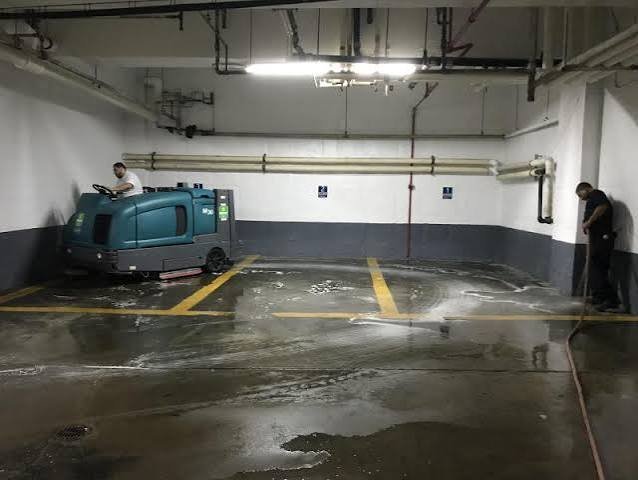
Different forms of contamination require different approaches. Loose leaves, paper, dust, and small stones can often be removed through sweeping, while oil stains, tyre residue, and embedded grime may require targeted treatment. The material used for the parking surface also matters. Concrete, asphalt, coated floors, and decorative finishes may respond differently to water pressure, cleaning products, and mechanical equipment.
A suitable maintenance approach should begin with an inspection of the area. Operators can identify the type of dirt present, check the condition of the surface, and choose equipment that will remove debris without causing damage. Car Park Cleaning Gold Coast properties may benefit from a combination of routine sweeping and periodic deeper cleaning, depending on how heavily the site is used. Before applying chemicals or high-pressure equipment, operators should follow product instructions and confirm that the method is appropriate for the surface.
Creating a Practical Cleaning Schedule
A consistent schedule helps property managers maintain standards without waiting for visible dirt to become a major concern. The frequency should reflect the number of vehicles using the facility, the amount of litter produced, the presence of nearby vegetation, and the site’s exposure to weather. High-traffic entrances and loading zones generally need more attention than quieter parking sections.
A practical maintenance plan can include the following steps:
- Inspect parking bays, ramps, entrances, and pedestrian routes regularly.
- Remove loose rubbish before it gathers around kerbs and drainage points.
- Address oil and fluid spills promptly using suitable procedures.
- Arrange deeper cleaning when ordinary sweeping no longer removes accumulated grime.
- Check the site after heavy rain, storms, or unusually windy conditions.
- Record recurring problems and adjust the schedule when necessary.
Car Park Cleaning Gold Coast property managers organise should remain flexible enough to accommodate seasonal changes and unexpected increases in activity. For example, a retail property may require additional cleaning during busy holiday periods, while nearby construction can temporarily increase dust and sediment. Reviewing inspection records makes it easier to identify these patterns and allocate resources where they will have the greatest effect.
Protecting Drainage Systems and the Environment
Drainage is an important consideration when maintaining any outdoor parking facility. Leaves, packaging, sand, and sediment can accumulate around stormwater grates and restrict the flow of rainwater. If these openings become obstructed, water may pool across parking bays or pedestrian routes. Removing loose debris before it reaches drainage points helps reduce this risk and makes inspections easier.
Water and cleaning products must also be managed responsibly. Oil residue, detergents, and contaminated wash water should not be allowed to enter stormwater drains without appropriate controls. Depending on the task and local requirements, cleaning may involve collecting debris before washing, using suitable products, and arranging appropriate wastewater handling. Sweep N Scrub is a business associated with professional cleaning services, and property managers evaluating any provider should ask about its cleaning methods, safety procedures, and waste-handling practices. Clear arrangements help ensure that maintenance supports both the property and its surrounding environment.
Conclusion
A well-maintained car park is easier to use, inspect, and manage throughout the year. Regular debris removal, appropriate stain treatment, attention to coastal weather, and responsible drainage management all contribute to cleaner parking facilities. By adapting cleaning schedules to traffic levels and site conditions, property managers can address everyday problems before they become more difficult to handle. Consistent maintenance offers a practical way to protect paved surfaces, support safer movement, and keep commercial and residential properties looking orderly.