A well-designed landscape can transform an ordinary property into an inviting, attractive, and functional outdoor environment. In Westlake, Texas, homeowners and property managers benefit from landscaping that complements architectural styles, responds to local weather conditions, and maintains its appearance throughout the changing seasons. Professional landscaping westlake tx services can help create outdoor spaces that balance visual appeal with practical needs, whether the goal is to improve curb appeal, maintain healthy lawns, enhance garden beds, or establish a welcoming entrance. Thoughtful landscaping also helps define outdoor living areas, highlight distinctive property features, and create a consistent appearance that reflects the owner’s preferences and the character of the surrounding community.
Achieving lasting landscape quality requires more than planting attractive flowers or mowing the lawn occasionally. Soil conditions, sunlight exposure, drainage, plant selection, irrigation, and maintenance schedules all influence how well an outdoor space performs over time. Without proper planning, plants may struggle in unsuitable locations, irrigation systems may waste water, and poorly managed drainage can contribute to landscape deterioration. Property owners seeking dependable landscaping westlake tx solutions should consider an approach that combines design expertise, practical installation, and ongoing care. With a clear plan and attention to local environmental conditions, landscaping can become a valuable investment that improves everyday enjoyment while helping preserve the property’s appearance and usability.
Understanding the Value of Professional Landscaping
Professional landscaping brings together several elements to create an outdoor environment that looks attractive and functions effectively. These elements include lawn care, planting design, tree and shrub placement, garden bed maintenance, irrigation planning, and the management of outdoor features. A coordinated approach ensures that each component complements the others instead of creating separate maintenance challenges. For example, trees can provide shade and visual structure, while shrubs and flowering plants introduce texture, color, and definition around walkways or building entrances. Healthy turf can create open areas for recreation, relaxation, or simply a clean and organized appearance. Landscaping can also help direct foot traffic, establish boundaries, and make outdoor spaces easier to navigate. Professional planning considers the property’s existing conditions, intended use, and long-term maintenance requirements before recommending improvements. This reduces the likelihood of choosing plants that outgrow their locations or installing features that require excessive upkeep. By understanding how different landscape elements work together, property owners can create outdoor spaces that remain appealing and practical rather than relying on short-term decorative improvements.
Choosing Plants That Thrive in Westlake’s Climate
Plant selection is one of the most important decisions in any landscaping project because local temperatures, sunlight, soil characteristics, and rainfall patterns influence plant health. Westlake experiences hot summers and seasonal weather changes, making it important to choose vegetation suited to North Texas conditions. Plants should be evaluated according to their water requirements, mature size, tolerance for direct sunlight, and ability to withstand occasional cold temperatures. A plant that performs well in a shaded garden may struggle in an exposed area receiving intense afternoon sun. Similarly, moisture-sensitive plants may decline in low-lying areas where water collects after heavy rain. Combining suitable trees, shrubs, ornamental grasses, and flowering plants can create visual interest while accommodating different site conditions. Property owners should also consider mature plant size to prevent roots, branches, or dense growth from interfering with walkways, foundations, lighting, and utility access. Grouping plants with similar water needs can simplify irrigation and improve maintenance efficiency. A landscape built around appropriate plant choices is generally easier to manage and better equipped to maintain its appearance through changing environmental conditions.
Designing Outdoor Spaces Around Your Property’s Needs
Effective landscape design begins with understanding how an outdoor area will be used and which features deserve the greatest attention. Some property owners want a welcoming front entrance with structured planting beds, while others prioritize shaded seating areas, open lawns, privacy screening, or low-maintenance gardens. The design should account for the property’s size, building architecture, existing vegetation, sun exposure, drainage patterns, and available maintenance budget. Clear pathways can connect entrances and outdoor living areas, while carefully positioned trees and shrubs can create separation without making the landscape feel crowded. Layering plants of different heights adds depth and visual interest, particularly when larger trees provide a backdrop for smaller shrubs and ground covers. Hardscape features, such as patios, edging, and walkways, should complement the surrounding vegetation and allow comfortable movement through the property. It is also important to preserve adequate clearance around doors, windows, driveways, and utility equipment. A well-planned design balances appearance with everyday usability, ensuring that the landscape supports the property’s purpose instead of introducing unnecessary obstacles or ongoing maintenance difficulties.
Lawn Care and Landscape Maintenance for Lasting Results
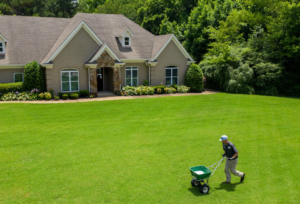
Even a carefully designed landscape requires regular maintenance to preserve its condition and appearance. Lawn care may involve mowing at an appropriate height, edging along paths and planting beds, monitoring weeds, and identifying areas affected by compacted soil or uneven moisture. Maintaining the correct mowing height for the grass variety can help support healthier growth and reduce stress during hot weather. Garden beds also need periodic attention to remove weeds, refresh mulch when appropriate, and identify plants showing signs of disease or environmental stress. Trees and shrubs benefit from selective pruning that maintains their natural structure while removing damaged or obstructive growth. Irrigation systems should be checked for leaks, blocked sprinkler heads, and uneven coverage so that plants receive appropriate amounts of water. Seasonal inspections can reveal developing concerns before they require extensive corrective work. Property owners should avoid applying fertilizer, pesticides, or other treatments without considering actual plant needs and suitable application practices. Consistent, informed maintenance helps protect the original landscaping investment and keeps outdoor spaces looking orderly throughout the year.
Improving Curb Appeal Through Thoughtful Landscaping
Curb appeal is often shaped by the relationship between the building, lawn, planting beds, pathways, and entrance. A property can look significantly more polished when these elements are maintained consistently and arranged with a clear visual purpose. Healthy turf creates a clean foundation, while defined planting beds provide structure and help separate different landscape areas. Trees and shrubs can frame the building, soften architectural lines, and introduce natural variation without overwhelming the property. Seasonal flowers may add color near entrances or gathering areas, but their placement should reflect available sunlight, irrigation access, and expected maintenance requirements. Repetition can also strengthen the overall design: using a consistent selection of plants and materials across different areas creates a unified appearance. However, visual improvements do not always require a complete landscape renovation. Replacing declining plants, refreshing bed edges, correcting uneven mulch, and improving lawn consistency may deliver noticeable results at a manageable cost. For property owners exploring landscaping westlake tx, focusing on the most visible areas first can provide a practical starting point for improving the exterior while allowing larger projects to be completed gradually.
Managing Drainage and Irrigation Efficiently
Water management plays a central role in landscape health, particularly in areas that experience both intense summer heat and periods of heavy rainfall. Too little water can cause turf and plants to wilt, while excessive watering can contribute to root problems, fungal growth, and unnecessary water consumption. A well-planned irrigation system should deliver water according to the needs of the plants and the characteristics of each landscape zone. Shaded planting beds, sunny lawns, and established trees may require different watering schedules. Periodic system inspections can identify broken sprinkler heads, leaks, and overspray onto sidewalks or paved surfaces. Drainage should receive equal attention because standing water can damage vegetation, wash away mulch, and contribute to erosion. Changes in grading, compacted soil, or poorly positioned downspouts may affect how water moves across a property. Addressing these conditions requires identifying the source of the problem rather than simply adding more plants or increasing irrigation. Appropriate soil improvements, suitable plant choices, and carefully planned water distribution can help create a healthier and more sustainable landscape. Effective water management supports plant health while reducing avoidable maintenance costs and protecting surrounding property features.
Selecting a Reliable Landscaping Partner
Choosing the right landscaping professional can make a significant difference in the quality, consistency, and long-term performance of an outdoor project. Property owners should begin by defining their goals, identifying current landscape challenges, and establishing a realistic budget. It is helpful to discuss the provider’s approach to design, plant selection, installation methods, irrigation, and recurring maintenance before committing to a service plan. A detailed proposal should explain the work included, expected scheduling, materials, and any circumstances that may result in additional costs. Communication is especially important when a project involves several stages or when maintenance must accommodate household routines, property access, or other practical considerations. Owners should also ask how the landscaping plan accounts for local weather conditions, mature plant growth, drainage, and future maintenance requirements. Limitless Landscaping is an option for property owners exploring professional landscaping support in the surrounding North Texas area. As with any provider, confirming service availability, project scope, and expectations directly helps ensure that the proposed work aligns with the property’s needs. A dependable landscaping relationship should emphasize clear communication, thoughtful planning, and practical solutions rather than appearance alone.
Conclusion
A successful landscape combines attractive design, suitable plant selection, effective water management, and consistent maintenance. For Westlake property owners, understanding local climate conditions and the specific characteristics of their land is essential to creating outdoor spaces that remain healthy and functional over time. From improving curb appeal and maintaining lawns to designing garden beds and addressing drainage concerns, each decision should support the property’s appearance, usability, and long-term care requirements. Selecting a qualified landscaping professional can help turn these priorities into a practical plan that fits the property’s style and budget. Whether the goal is a complete outdoor transformation or a series of targeted improvements, investing in thoughtful landscaping westlake tx solutions can make a meaningful difference in how a property looks and feels. By prioritizing quality, sustainability, and regular upkeep, property owners can create welcoming outdoor environments that deliver lasting value and enjoyment.