Outdoor signage plays an important role in how customers discover, recognise, and interact with a business. Whether installed outside a retail store, corporate office, restaurant, showroom, or commercial facility, a well-designed sign communicates essential information while establishing a professional first impression. In competitive commercial areas, visible and attractive signage can help businesses stand apart from neighbouring properties and make their locations easier to identify. However, an effective sign requires more than an appealing design. Correct positioning, secure mounting, suitable materials, and careful attention to the surrounding environment all influence its performance. Businesses investing in professional outdoor sign installation need a solution that combines visual impact with practical considerations such as durability, readability, and structural stability.
Choosing the right installation approach can also help business owners avoid unnecessary maintenance, visibility problems, and potential safety concerns. Outdoor signs must withstand environmental exposure while remaining securely attached to the building or supporting structure. Their placement should account for pedestrian movement, vehicle traffic, viewing distances, architectural features, and applicable local requirements. Signworks is an option for businesses exploring signage services that support their branding and commercial presentation. By planning each project carefully, companies can ensure their signs communicate clearly, complement their premises, and provide a consistent brand experience. Understanding the installation process and the factors that influence sign performance allows business owners to make better decisions before investing in exterior signage.
Why Professional Outdoor Sign Installation Matters
Proper installation determines whether an outdoor sign performs its intended function safely and effectively. Even a well-designed sign can lose its impact if it is mounted at an unsuitable height, positioned where surrounding objects obstruct it, or installed using inadequate fixings. Businesses should consider how customers approach the premises and from which directions the sign will be viewed. A storefront sign may need to remain readable from a busy pavement, while a larger commercial property may require identification that can be recognised from a greater distance. Structural conditions also influence the installation method, as brick walls, concrete surfaces, metal frames, and other substrates have different mounting requirements. Professional planning helps identify these conditions before work begins, reducing the risk of alignment problems and unsuitable attachment methods. Installers must also consider access equipment, working conditions, nearby electrical systems, and any hazards associated with elevated installations. When these details are addressed in advance, businesses can achieve a cleaner finish, improve sign visibility, and reduce avoidable complications during installation.
Selecting the Right Outdoor Sign for Your Business
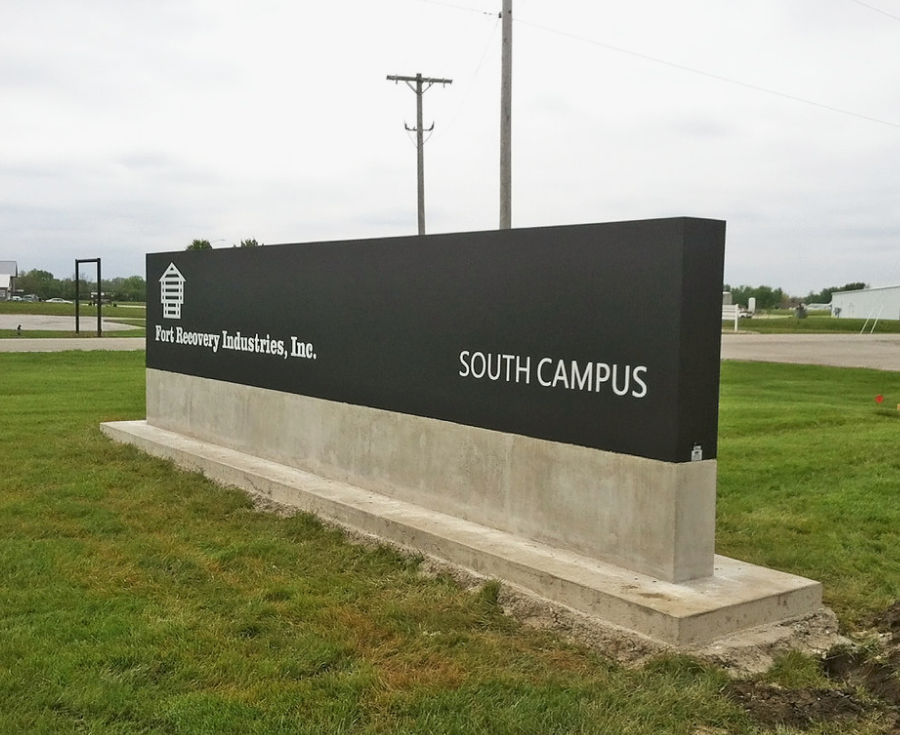
Different businesses require different signage formats, and the right choice depends on the property’s layout, branding objectives, audience, and budget. Wall-mounted signs can identify storefronts and office buildings, while freestanding signs may help customers locate businesses set back from the road. Illuminated signage can improve visibility in low-light conditions, whereas dimensional lettering may provide a refined appearance for commercial premises with an established architectural identity. Window graphics and entrance signs can complement larger exterior displays by reinforcing brand colours and communicating opening information. Before choosing a format, business owners should establish the primary purpose of the sign and determine the distance from which it needs to be read. They should also consider the available mounting area, surrounding lighting, viewing angles, and local restrictions on sign size or illumination. Material selection is equally important because outdoor signs are exposed to conditions that can affect colour, surface quality, and structural performance. Comparing suitable materials and installation methods helps ensure that the final sign reflects the company’s identity while meeting the practical demands of its location.
How Signworks Supports Business Signage Projects
Businesses planning exterior signage benefit from a structured approach that connects design decisions with installation requirements. Signworks can be considered by organisations seeking signage that complements their commercial premises and supports consistent branding. A successful project should begin with a discussion of the business’s objectives, the location of the sign, the intended audience, and any limitations affecting installation. Site measurements and an assessment of the mounting surface can help determine suitable dimensions, placement, and attachment methods. The design should then be reviewed for readability, colour contrast, logo accuracy, and compatibility with the building’s appearance. Before production or installation proceeds, businesses should confirm the scope of work, material specifications, installation arrangements, expected schedule, and any applicable warranty conditions. This preparation helps clarify responsibilities and reduces the likelihood of last-minute changes. Customers should also ask how the installer will manage access equipment, protect nearby surfaces, and inspect the completed work. Clear communication throughout the project helps align the final result with the original brief and ensures that important practical considerations are not overlooked in favour of appearance alone.
Materials, Durability, and Weather Resistance
Outdoor signage materials should be selected according to the environmental conditions and performance requirements of the installation site. Aluminium is often considered for exterior sign construction because of its relatively low weight and resistance to corrosion under suitable conditions. Acrylic may be appropriate for certain sign faces and lettering, while specialised films and vinyl graphics can support branding applications on suitable surfaces. The correct choice depends on the intended design, mounting system, exposure, and maintenance expectations. Businesses located in areas with intense sunlight should consider how prolonged ultraviolet exposure may affect colours and surface finishes. Locations exposed to heavy rainfall, strong winds, dust, or significant temperature changes may require additional attention to material specifications and attachment methods. The supporting structure is just as important as the visible sign face, particularly for larger panels and freestanding installations. Business owners should ask about load requirements, drainage where relevant, corrosion protection, and the expected maintenance needs of the proposed materials. No material is entirely maintenance-free, so periodic inspections and suitable cleaning practices remain important. A well-considered specification can help maintain the sign’s appearance and reduce the likelihood of premature deterioration.
Safety and Compliance During Outdoor Sign Installation
Safety must remain a priority throughout the installation process, especially when signs are mounted at height or positioned near public walkways and vehicle routes. The work may involve ladders, elevated platforms, lifting equipment, electrical connections, or heavy sign components, each of which requires appropriate planning and precautions. Installers should assess the site before beginning work, identify potential hazards, and select equipment suitable for the installation conditions. The mounting system must be appropriate for the sign’s dimensions, weight, supporting surface, and exposure to wind. Illuminated signs may require qualified electrical work and suitable weather protection for electrical components. Businesses should also determine whether planning permission, landlord approval, building management consent, or other local authorisations are necessary. Requirements can vary according to the location, sign type, dimensions, illumination, and property classification. Keeping relevant approvals and installation specifications organised can help prevent avoidable delays. After installation, the sign should be inspected for secure attachment, correct alignment, appropriate electrical operation where applicable, and clear visibility. Taking these precautions protects people using the premises and supports the reliable operation of the finished signage.
Design and Placement Strategies for Maximum Visibility
An outdoor sign should communicate its main message quickly, even when viewers have only a brief opportunity to notice it. Effective design starts with a clear hierarchy that gives priority to the business name, logo, or most important message. Supporting information should be limited to what customers genuinely need, since excessive wording can reduce readability. Letter size, spacing, contrast, and font selection should reflect the intended viewing distance and the speed at which people will encounter the sign. Placement also affects performance: a sign may be visually attractive but ineffective if it sits behind landscaping, blends into a busy background, or competes with nearby displays. Businesses should examine the sign from several real-world viewing angles before approving its final position. Lighting deserves particular consideration when the premises operate after dark, although illuminated signage should comply with applicable local requirements. Consistency between exterior signs, entrance graphics, and other branded elements can further strengthen recognition. By balancing visual simplicity with thoughtful positioning, businesses can make their signage easier to understand and more effective at guiding customers towards their premises.
Maintaining Outdoor Signs for Long-Term Performance
Regular maintenance helps preserve an outdoor sign’s appearance, readability, and structural condition. Dirt, dust, environmental deposits, fading, and loose fittings can gradually reduce the effectiveness of even a well-installed sign. Businesses should establish an inspection schedule appropriate to the sign’s size, location, materials, and exposure to weather. Routine checks can identify damaged panels, peeling graphics, corrosion, unstable mounting components, and lighting faults before they become more serious problems. Cleaning methods should be compatible with the sign’s materials, as abrasive products or unsuitable chemicals may damage printed graphics and protective finishes. Illuminated signs may require additional inspection of electrical components and weatherproofing by appropriately qualified personnel. Businesses should also update signs when contact details, opening hours, branding, or other important information changes. For larger installations, keeping records of maintenance, repairs, material specifications, and warranty conditions can simplify future work. Addressing minor issues promptly may help prevent deterioration and preserve the professional appearance of the premises. A practical maintenance plan should therefore be considered during the initial project rather than only after visible problems develop.
Conclusion
Outdoor signage is a valuable part of business presentation, helping customers identify premises, recognise brands, and navigate commercial environments with greater confidence. Achieving reliable results requires careful planning, appropriate material selection, clear design, secure mounting, and attention to safety and local regulations. Businesses should assess their location, viewing conditions, structural requirements, and maintenance needs before selecting an installation approach. Choosing professional outdoor sign installation helps organisations address these considerations systematically and create signage that balances visual appeal with practical performance. Signworks is worth considering when exploring signage options for commercial properties, with the final choice based on the services, materials, and installation capabilities available for the specific project. By prioritising quality workmanship, appropriate positioning, and long-term care, businesses can establish a professional exterior presence that supports brand recognition and creates a positive first impression for years to come.