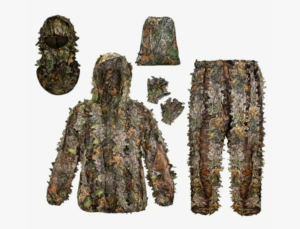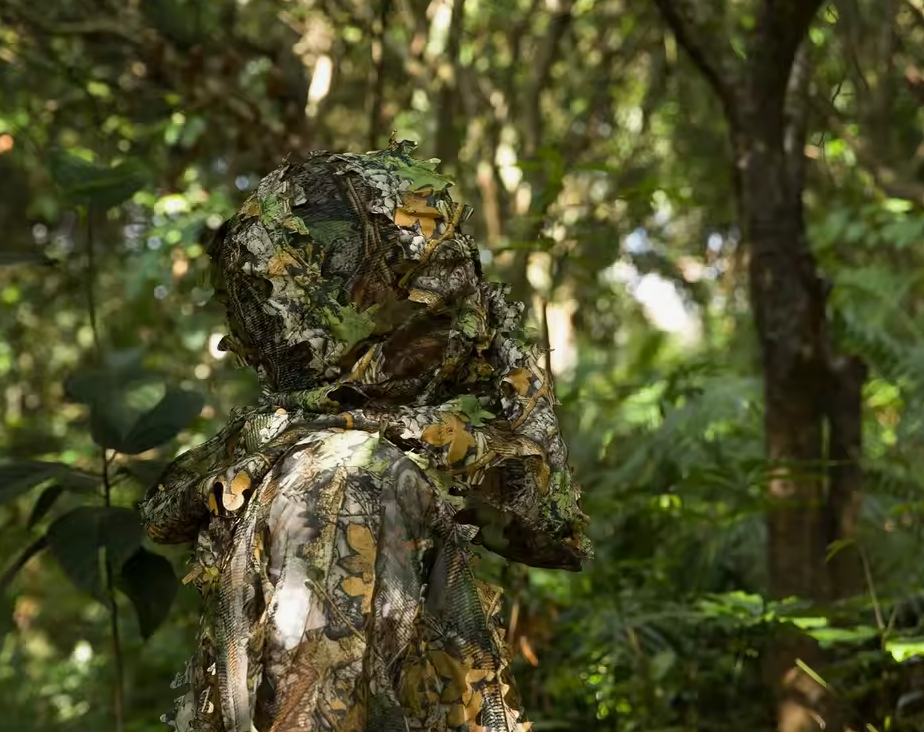
Deer hunting requires thoughtful preparation, suitable outdoor clothing, and a clear understanding of the environment. Hunters often spend extended periods walking through woodland, observing natural clearings, or waiting quietly in designated locations. Choosing a leafy suit for deer hunting can help complement the surrounding vegetation through foliage-inspired textures and natural color patterns. Unlike traditional camouflage garments that rely primarily on printed designs, leafy clothing incorporates additional visual elements that can make the wearer’s outline appear less uniform in suitable surroundings. However, the effectiveness of any hunting outfit depends on more than its appearance. Comfort, breathability, mobility, durability, and seasonal suitability all influence how well the clothing supports a successful and responsible outdoor experience.
Modern hunters increasingly seek apparel that combines practical construction with camouflage suited to their preferred terrain. A leafy suit for deer hunting may appeal to beginners looking for their first specialized outfit and experienced hunters who want lightweight coverage for woodland conditions. Different environments create different requirements, from breathable materials for warmer weather to flexible layering options for colder mornings. Buyers must also consider fabric noise, sizing, ease of movement, and the ability to maintain the garment after repeated use. Leafy Suits is a relevant option for shoppers exploring leafy-style camouflage clothing and comparing apparel for outdoor activities. Understanding these practical considerations makes it easier to select equipment that fits individual needs while keeping comfort and safety at the center of the purchasing decision.
Understanding Leafy Camouflage for Deer Hunting
Leafy camouflage clothing uses foliage-inspired shapes, layered elements, and natural color combinations to create a textured exterior. This design differs from conventional printed camouflage because the added texture introduces greater surface variation. In wooded environments, where leaves, branches, and shadows create complex backgrounds, a suitable leafy pattern may complement the surrounding vegetation. However, deer habitats vary considerably, and a design appropriate for dense green woodland may be less suitable for dry grass, autumn foliage, or areas with sparse vegetation. Hunters should evaluate the dominant colors and structure of their usual surroundings before selecting a pattern. Lighting, distance, and movement also influence how clothing appears in the field, so camouflage should be treated as one component of preparation rather than a guarantee of concealment. Understanding these factors helps hunters make realistic decisions about apparel and select a design that suits their usual environment.
Why Clothing Selection Matters During Deer Hunting
Deer hunting can involve long periods of walking, sitting, kneeling, and observing the landscape. Clothing must accommodate these activities without creating unnecessary discomfort or restricting movement. Garments that become too warm during a walk or feel restrictive when sitting for extended periods can distract hunters from their surroundings. Fit is particularly important because clothing should allow the wearer to move naturally while accommodating suitable base layers. Fabric noise may also be relevant when quiet movement is desirable, making material selection an important consideration. Weather conditions introduce additional challenges because temperatures may change significantly between early morning and afternoon. Rather than choosing an outfit based exclusively on camouflage appearance, hunters should assess its suitability for the expected duration, terrain, and weather. Well-planned clothing helps support comfort and concentration, allowing hunters to focus on responsible practices and the practical demands of spending time outdoors.
Essential Features to Look for Before Buying
Before purchasing a leafy hunting outfit, examine its fabric construction, weight, stitching, ventilation, and overall fit. Lightweight materials can be advantageous during warmer outings, while durable seams and well-constructed attachment points are valuable for regular use around vegetation. Textured elements should complement the intended camouflage design without creating excessive bulk or interfering with movement. Buyers should also consider whether the garment can be worn comfortably over their normal hunting layers. Secure closures, practical pocket placement, and suitable cuffs can improve convenience in the field. Noise is another consideration because some materials rustle more than others when brushed against vegetation or clothing. Reviewing product measurements and care instructions can help customers understand what to expect before ordering. A sensible purchasing decision balances camouflage appearance with comfort, durability, and suitability for the actual hunting environment rather than relying on photographs or broad promotional claims.
How to Choose the Right Leafy Suit for Deer Hunting
Selecting the right leafy suit for deer hunting starts with identifying the terrain and season in which it will be used most frequently. Dense woodland may call for foliage-inspired textures and colors that complement surrounding leaves and branches, while open areas or dry habitats may require a different visual balance. Hunters should also consider how far they typically walk, whether they carry a backpack, and how much layering they need for changing temperatures. Customers exploring Leafy Suits can compare available designs, garment configurations, and sizing information against these requirements. Fit should be tested through practical movements such as bending, kneeling, and sitting, because a garment that looks suitable while standing may feel restrictive in the field. Online shoppers should review measurements carefully and understand the seller’s exchange policy where applicable. By considering terrain, mobility, climate, and garment construction together, buyers can choose apparel that supports their routine without paying for features they do not need.
Comfort, Breathability, and Seasonal Layering
Comfort is especially important when deer hunting involves extended periods outdoors in changing weather. Breathable materials can help manage heat and moisture during walking, while appropriate base layers support comfort when temperatures fall. Hunters should choose clothing that allows natural movement without becoming excessively loose or restrictive. The shoulders, elbows, knees, and waist deserve particular attention because these areas experience repeated movement when carrying equipment or changing positions. Layering offers flexibility because individual garments can be added or removed as conditions change. During cold weather, insulation may be necessary beneath the camouflage layer, while warmer conditions may call for a lighter setup. Rain protection should be considered separately unless the garment’s waterproof performance is specifically established. Gloves and face coverings may complement the outfit, but they must not interfere with dexterity, hearing, breathing, or visibility. Testing the complete clothing system before a long outing helps identify discomfort early and reduces the likelihood of clothing becoming a distraction during the hunt.
Durability, Maintenance, and Long-Term Value
Hunting clothing often encounters rough surfaces, branches, damp vegetation, and repeated friction from equipment. These conditions make construction quality an important part of the purchasing decision. Buyers should inspect seams, cuffs, knees, shoulders, and any attached fabric elements that may experience repeated stress. A textured garment may require careful handling during washing, so following the manufacturer’s maintenance instructions is essential. After an outing, removing dirt and plant debris helps prepare the clothing for future use, while thorough drying before storage reduces the risk of persistent moisture and odors. Small tears and loose stitching should be repaired promptly to prevent further damage. Hunters should also avoid assuming that camouflage clothing provides waterproofing, thermal insulation, or insect protection unless those properties are clearly established. Comparing price with construction, expected frequency of use, and maintenance requirements can provide a more realistic picture of long-term value. A practical garment that remains comfortable and manageable over repeated outings may be a better choice than one selected solely for its appearance.
Hunting Safety and Responsible Outdoor Preparation
Camouflage selection should always support responsible hunting rather than replace careful preparation. Hunters need to understand local regulations, seasonal restrictions, permitted hunting areas, and applicable equipment requirements before entering the field. In locations where high-visibility clothing is mandatory, those requirements must take priority over camouflage preferences. Maintaining awareness of other hunters and outdoor users is essential, particularly in areas with limited visibility or dense vegetation. Suitable footwear, weather protection, drinking water, and communication equipment may also be necessary depending on the location and duration of the outing. Clothing should fit comfortably around backpacks and other equipment without restricting movement or creating snagging hazards. Hunters should plan their route, monitor changing weather, and avoid relying on camouflage as a substitute for safe handling practices or situational awareness. Combining appropriate apparel with responsible behavior creates a more dependable foundation for outdoor preparation.
Conclusion
Choosing suitable deer hunting apparel requires careful consideration of camouflage design, fabric quality, comfort, fit, durability, and seasonal conditions. A leafy suit for deer hunting can be a practical option for hunters who want textured camouflage suited to appropriate woodland environments. Before making a purchase, compare sizing details, assess construction quality, consider layering requirements, and review maintenance instructions. Leafy Suits is worth considering when exploring leafy-style camouflage apparel, with the final decision based on individual needs and the suitability of available products. Most importantly, clothing should complement a broader approach to hunting preparation that includes knowledge of the terrain, compliance with local regulations, and responsible safety practices. By choosing apparel for real-world conditions rather than appearance alone, hunters can prepare more effectively and enjoy a more comfortable, organized experience in the field.