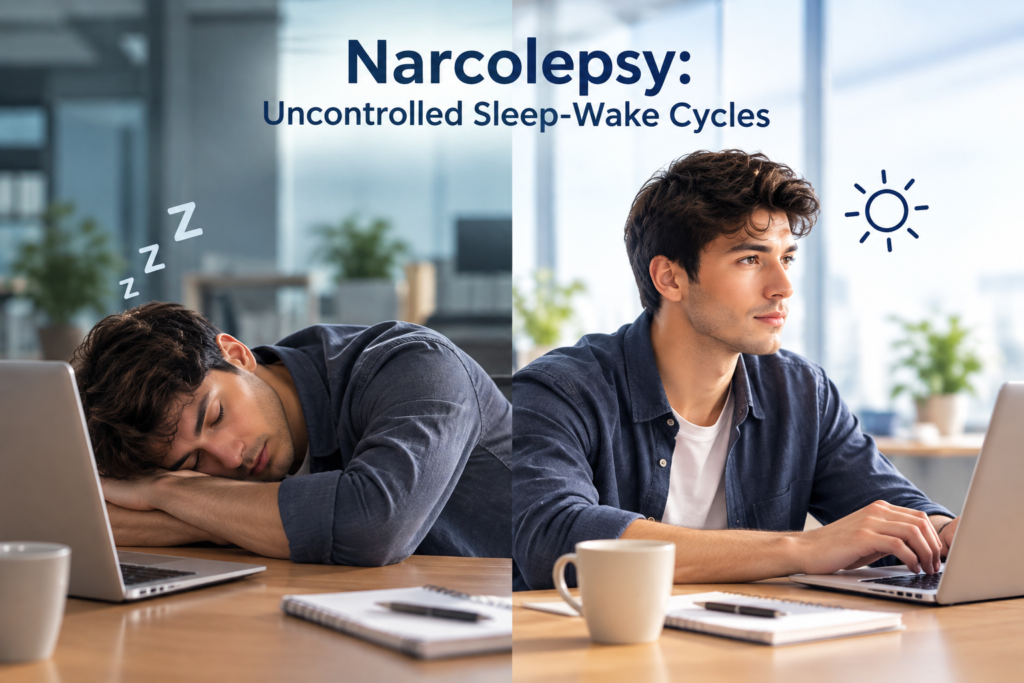
Feeling sleepy during the day can make it difficult to work, study, drive, or enjoy normal activities. While occasional tiredness often comes from poor sleep or a busy schedule, persistent excessive daytime sleepiness can point to an underlying sleep problem. Narcolepsy is one condition that can cause strong daytime sleepiness and sudden urges to sleep.
What Is Narcolepsy?
Narcolepsy is a long-term neurological sleep disorder that affects the brain’s ability to control normal sleep and wake cycles. People with narcolepsy may feel extremely sleepy during the day even after getting enough sleep at night. They may also fall asleep unexpectedly during routine activities.
The condition can affect people differently. Some people experience frequent daytime sleep episodes, while others mainly notice ongoing tiredness and difficulty staying alert. Modafresh 200 and Modalert 200 are treatment keywords commonly associated with medicines used to promote wakefulness, but treatment should always follow advice from a qualified healthcare professional.
Understanding Excessive Daytime Sleepiness
Excessive daytime sleepiness means having an unusually strong need to sleep or difficulty staying awake during the daytime. It goes beyond normal tiredness after a late night or a demanding day.
A person with excessive daytime sleepiness may struggle to concentrate, experience frequent yawning, feel mentally slow, or need naps to get through the day. These symptoms can interfere with work and social activities.
Not everyone who experiences daytime sleepiness has narcolepsy. Poor sleep habits, irregular schedules, sleep disorders, stress, and other health factors can also contribute to daytime drowsiness. A healthcare professional can help identify the possible cause.
Common Symptoms of Narcolepsy
Narcolepsy can cause several sleep and wake-related symptoms. Daytime sleepiness remains one of the most noticeable signs.
Other possible symptoms include:
- Sudden sleep attacks during the day
- Difficulty staying awake during quiet activities
- Short periods of sleep that happen unexpectedly
- Cataplexy, which involves sudden muscle weakness triggered by strong emotions
- Sleep paralysis around falling asleep or waking
- Vivid dream-like experiences when falling asleep or waking
- Disrupted nighttime sleep
Symptoms can vary from person to person. Some people may experience only a few of these problems.
How Narcolepsy Affects Daily Life
Persistent sleepiness can affect more than energy levels. It can make ordinary tasks feel harder and reduce a person’s ability to remain focused.
Someone may struggle to complete office work, follow conversations, study, or stay alert during meetings. Driving and operating machinery can also become a concern when a person cannot reliably stay awake.
For people living in the UK and Australia, discussing persistent daytime sleepiness with a healthcare professional can help determine whether further sleep assessment is appropriate. Keeping a simple sleep diary can also help show patterns in nighttime sleep, naps, and daytime symptoms.
What Causes Narcolepsy?
Researchers continue to study the exact causes of narcolepsy. The condition is linked to changes in the systems that regulate sleep and wakefulness. In some people, low levels of a brain chemical involved in maintaining wakefulness play an important role.
Genetic and environmental factors may also contribute. However, having daytime sleepiness does not automatically mean that someone has narcolepsy.
A healthcare professional may ask about sleeping habits, daytime symptoms, nighttime sleep, and other factors before recommending further testing.
How Doctors Diagnose Narcolepsy
Doctors usually begin with a detailed medical and sleep history. They may ask when sleepiness occurs, how often naps happen, and whether symptoms such as sudden muscle weakness or sleep paralysis occur.
A sleep specialist may recommend tests that monitor sleep patterns. These tests can help distinguish narcolepsy from other conditions that cause excessive daytime sleepiness.
Accurate diagnosis matters because different causes of daytime sleepiness can require different approaches. People should avoid self-diagnosing based only on tiredness or occasional sleepiness.
Managing Daytime Sleepiness
Managing narcolepsy often involves a combination of professional medical care and healthy sleep habits. Maintaining a regular sleep schedule can support a more predictable sleep-wake routine.
Planned short naps may help some people manage daytime sleepiness. Creating a comfortable sleep environment and following consistent bedtime and wake-up times can also support better sleep.
Healthcare professionals may also discuss wakefulness-promoting treatment when appropriate. If a medicine is prescribed, take it exactly as directed and discuss any concerns or side effects with the prescriber.
Healthy Habits That Support Wakefulness
Daily habits cannot replace medical treatment for narcolepsy, but they can support better sleep routines. Try to keep consistent sleeping and waking times, avoid regularly staying up very late, and create a quiet environment for nighttime sleep.
Regular physical activity may also support general health and sleep quality. Keeping a record of sleep patterns can help identify changes and provide useful information during medical appointments.
It is also important to recognize situations where sleepiness creates a safety risk. Avoid driving or performing hazardous activities if you feel unable to stay awake.
When Should You Seek Medical Advice?
Talk with a healthcare professional if daytime sleepiness happens regularly, continues despite adequate nighttime sleep, or interferes with work, school, relationships, or daily responsibilities.
Seek professional advice if you experience sudden sleep episodes, unusual muscle weakness during strong emotions, repeated sleep paralysis, or other unusual changes in your sleep pattern.
Early assessment can help identify the reason for persistent sleepiness and guide an appropriate management plan.
Final Thoughts
Narcolepsy is a sleep disorder that can strongly affect daytime alertness and everyday life. Excessive daytime sleepiness is an important symptom, but many other factors can cause similar problems. Understanding the symptoms and seeking professional evaluation can help people find the right approach.
For people researching treatment options, BuyRxSafe provides information about products such as Modafresh 200 and Modalert 200. Always use medicines according to professional medical advice and check whether a particular treatment is suitable for you.