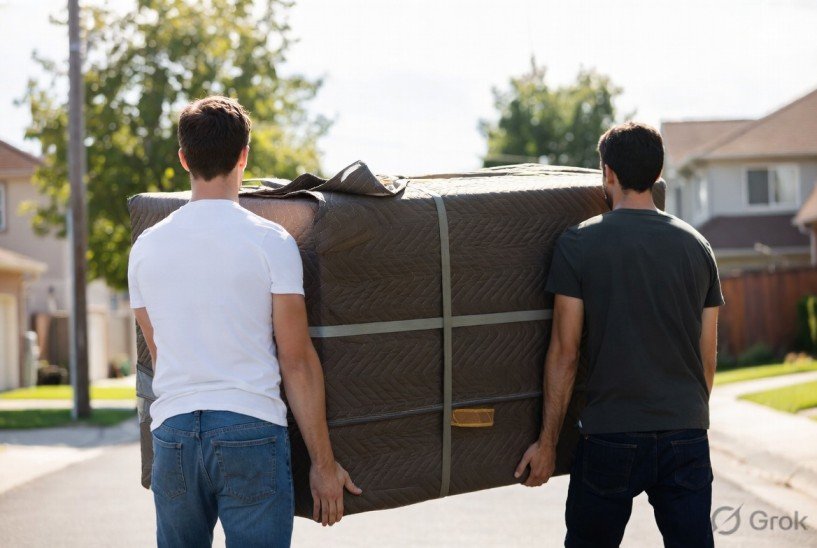
Moving to a new home or business location is a major transition that requires careful planning and organization. While relocation can be exciting, the physical process of packing, lifting, transporting, and unloading belongings can quickly become stressful. This is especially true when a move involves large households, valuable furniture, fragile possessions, or a long-distance journey. For people planning a relocation, working with professional movers in New Jersey can make the process more structured and manageable.
New Jersey has a diverse mix of urban communities, suburban neighborhoods, apartment complexes, and residential developments. Every moving project comes with its own requirements, making it important to understand the process before selecting a moving service. From preparing belongings to coordinating transportation, thoughtful planning can help create a smoother experience.
Understanding Your Moving Requirements
Before contacting a moving company, it is helpful to understand the specific requirements of your relocation. The size of your property, number of belongings, moving distance, preferred date, and type of property can all influence the services you need.
A small apartment move may only require transportation and basic loading assistance, while a large family home may require professional packing, furniture protection, loading, transportation, and unloading. Business relocations can involve additional requirements because office equipment, documents, furniture, and technology need to be handled carefully.
Professional movers in New Jersey can discuss these requirements with customers and help determine which services are appropriate for their particular relocation.
Why Planning Early Matters
Starting the moving process early can significantly reduce last-minute pressure. Waiting until the final week to organize an entire household can make packing, scheduling, and transportation unnecessarily complicated.
Creating a moving timeline allows homeowners to gradually complete important tasks. Early preparation can include sorting belongings, organizing documents, contacting moving companies, confirming the moving date, and arranging utilities at the new property.
For people hiring movers in New Jersey, early communication can also make scheduling easier, particularly when the desired moving date falls during a busy period.
Decluttering Before the Move
A relocation is an excellent opportunity to evaluate the belongings accumulated over the years. Many households have clothing, furniture, appliances, books, and decorative items that are rarely used.
Transporting unnecessary items can take additional space and effort. Before packing, homeowners can decide which belongings should move to the new property and which can be donated, sold, recycled, or discarded.
A more organized household generally makes packing and unpacking easier. By reducing clutter before moving day, customers can focus on transporting the belongings that are genuinely useful or meaningful.
Creating an Efficient Packing Plan
Packing can take considerably longer than many people initially expect. Every room contains different types of belongings, and fragile or valuable items may require additional protection.
A practical approach is to begin with items that are not used regularly. Seasonal clothing, decorations, books, spare kitchenware, and similar possessions can often be packed well in advance.
As moving day gets closer, everyday essentials can be packed while keeping important personal items accessible. Clearly identifying boxes by room can also make unloading and unpacking more organized.
Some movers in New Jersey also provide professional packing services for customers who prefer to have trained personnel manage this part of the relocation.
Protecting Fragile Belongings
Fragile items require careful preparation during a move. Glassware, mirrors, electronics, artwork, ceramics, and other delicate possessions can be vulnerable to impact or movement during transportation.
Using suitable packing materials and protective layers can help reduce the possibility of damage. Boxes containing fragile belongings should be prepared carefully and handled appropriately during loading and unloading.
Customers with particularly delicate or valuable items should communicate these requirements to their moving company before moving day. Professional movers can explain appropriate handling and protection options based on the nature of the items.
Handling Large and Heavy Furniture
Moving large furniture is often one of the most physically demanding parts of relocation. Sofas, beds, wardrobes, cabinets, tables, and other bulky items may need to pass through narrow doorways, hallways, staircases, or elevators.
Professional movers in New Jersey have experience handling large household items and can plan the loading process around the property’s access conditions. Depending on the furniture, certain pieces may need to be disassembled before transportation.
Protective wrapping can also help reduce scratches and other surface damage while furniture is being moved through the property and loaded into the vehicle.
Local Moving Across New Jersey
Many people relocate without leaving the state. A local move may involve changing neighborhoods, moving to a larger home, downsizing, or relocating closer to work, family, or other amenities.
Although local moves may involve shorter distances, they still require coordination. Moving several rooms of furniture and boxes can take significant time and physical effort.
Experienced movers in New Jersey can assist with loading, transportation, and unloading while allowing customers to concentrate on other responsibilities associated with the relocation.
Long-Distance Relocations
Some New Jersey residents eventually move to another state because of employment opportunities, family circumstances, lifestyle changes, or other personal reasons. Long-distance relocations require additional transportation planning because belongings must travel much farther.
When planning a long-distance move, customers should discuss their origin, destination, moving inventory, preferred dates, packing requirements, and delivery expectations with the moving company.
Choosing movers in New Jersey that provide long-distance services can help customers coordinate the transportation process while reducing the physical workload associated with a major interstate relocation.
Moving From an Apartment
Apartment moves can involve unique logistical challenges. Elevators, staircases, narrow corridors, parking restrictions, and building policies may influence how belongings can be moved.
Residents should check whether their building requires elevator reservations or has specific moving hours. Sharing this information with the moving company ahead of time can help the moving team prepare accordingly.
Professional movers can coordinate the movement of furniture and boxes through the building while taking access limitations into consideration.
Moving a Family Home
Moving a family home often involves significantly more belongings than an apartment relocation. Furniture, children’s items, kitchen equipment, clothing, electronics, outdoor belongings, and personal possessions can quickly add up.
A structured approach can make the process easier. Families can begin by sorting rooms, reducing unnecessary items, and preparing a packing schedule.
Hiring professional movers in New Jersey can reduce the physical workload involved in lifting and transporting heavy belongings. This can give families more time to focus on other aspects of the transition.
Commercial and Office Moving
Businesses also require professional relocation services when changing offices or facilities. Unlike residential moves, commercial relocations often need to be carefully scheduled to minimize interruptions to business operations.
Office furniture, computers, equipment, documents, and other workplace materials must be transported and organized at the destination.
Experienced movers in New Jersey can assist businesses with the physical aspects of relocation and help coordinate the process according to the company’s schedule.
Temporary Storage During a Move
Sometimes a new property is not ready when the existing property needs to be vacated. Renovations, closing delays, temporary housing, downsizing, and other circumstances can create a need for additional storage space.
Temporary storage can provide flexibility during these situations. Belongings can be stored until the customer is ready to move them into the final destination.
When discussing moving services, customers can ask whether storage solutions are available and whether they can be incorporated into the overall relocation plan.
Choosing a Moving Company
Selecting a moving company requires careful consideration. Customers should look beyond price and examine the services offered, communication practices, experience, scheduling, and terms of the moving agreement.
Before hiring movers in New Jersey, customers should understand what is included in the estimate. Services such as packing, loading, transportation, unloading, furniture protection, and storage may be offered separately depending on the company.
Clear communication is important because every move has different requirements. Customers should provide accurate information about the property, belongings, destination, and preferred schedule.
Preparing for Moving Day
A successful moving day begins with preparation. Essential documents, medications, personal valuables, chargers, basic toiletries, and other immediate necessities should be kept separately from general moving boxes.
It is also helpful to keep pathways clear so that movers can move furniture and boxes efficiently. Customers should communicate any special instructions about fragile belongings or specific items that require additional care.
When professional movers in New Jersey arrive, having these details ready can help the loading process move forward more efficiently.
Settling Into Your New Property
After transportation is complete, the focus shifts toward unpacking and organizing the new space. Trying to unpack everything simultaneously can create unnecessary stress.
Start with essential rooms and frequently used belongings. Furniture can be positioned first, followed by boxes containing everyday necessities. Once the most important areas are functional, the remaining belongings can be organized gradually.
A structured approach can make the first few days in a new home more comfortable and allow residents to settle into their new surroundings at their own pace.
Relocation involves much more than transporting boxes from one address to another. It requires preparation, organization, scheduling, and careful handling of belongings. Whether you are moving locally, relocating to another state, changing apartments, moving into a family home, or transferring a business, professional assistance can simplify many of the most demanding tasks.
Experienced movers in New Jersey can provide support with packing, loading, furniture handling, transportation, unloading, and other relocation needs. By planning early, reducing clutter, communicating requirements clearly, and selecting services that match the move, customers can make the transition more organized and manageable.
With thoughtful preparation and the right professional support, moving day does not have to be an overwhelming experience. A well-planned relocation can provide a smoother path toward settling comfortably into your next home or business location.