Modern dining room furniture
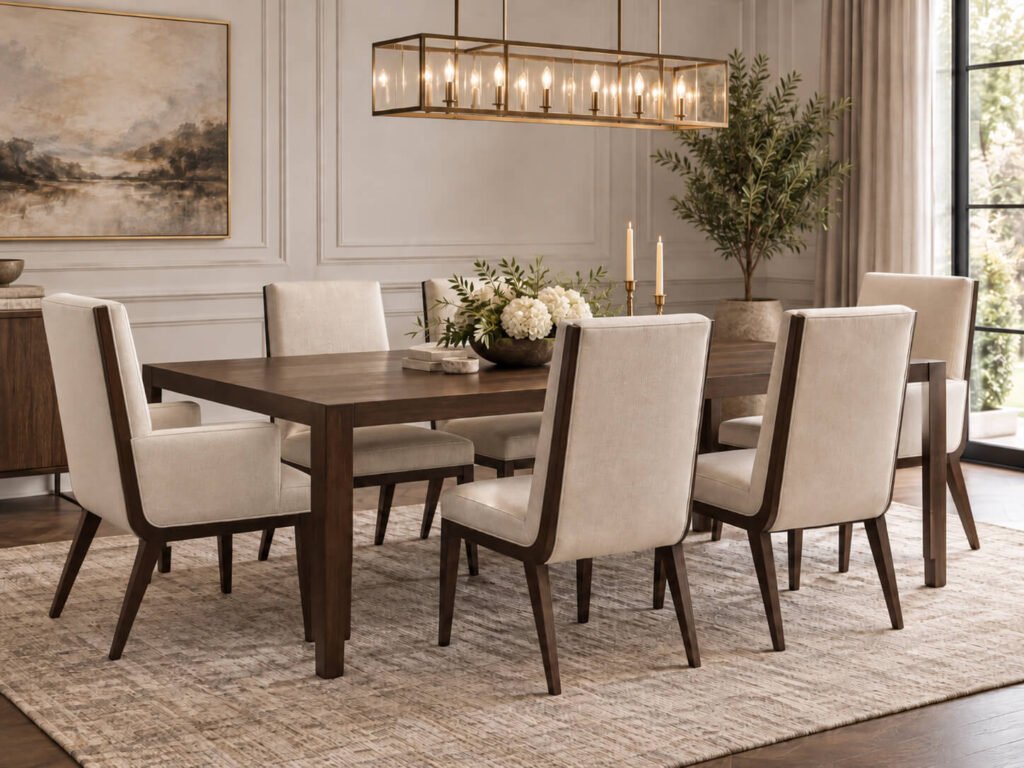
The dining room is one of the most important spaces in a home. It is where families gather for meals, friends enjoy conversations, and special occasions become lasting memories. Choosing the right furniture can make this space more comfortable, functional, and visually appealing. Modern dining room furniture offers a wide range of designs, materials, and finishes that allow homeowners to create interiors that reflect their personal preferences while maintaining everyday practicality. From elegant wooden dining tables to contemporary upholstered chairs, the right combination can transform an ordinary dining area into a welcoming environment.
However, selecting dining furniture involves more than choosing attractive designs. Table dimensions, seating comfort, material quality, room layout, and long-term durability all influence the final decision. A beautiful dining set may not be suitable if it takes up too much space or does not provide enough seating for regular use. Understanding these factors can help homeowners make confident purchasing decisions. Whether you prefer minimalist interiors, timeless wooden finishes, or collectible modern furniture, this guide explains how to choose dining tables and chairs that balance style, comfort, and functionality.
Understanding Modern Dining Room Furniture Styles
Modern dining furniture is known for its clean appearance, practical construction, and thoughtful use of materials. Unlike traditional furniture, which may feature elaborate carvings and decorative details, contemporary designs often focus on simple silhouettes and balanced proportions. This approach creates dining spaces that feel organized and visually comfortable without appearing overly formal. It also makes modern furniture easier to combine with different interior design styles.
Minimalist dining furniture is a popular choice for homeowners who prefer uncluttered interiors. These designs generally feature streamlined tabletops, simple chair frames, and understated finishes. Natural wood, metal, and glass are frequently used to create furniture that looks elegant while remaining practical. Neutral colors such as white, beige, gray, and warm brown also help establish a calm and balanced atmosphere.
Mid-century-inspired dining furniture offers another attractive option. Recognizable features include tapered legs, organic shapes, warm wood finishes, and carefully designed proportions. These details introduce character without overwhelming the dining area. Scandinavian-inspired furniture is also popular because it combines natural materials, functional construction, and comfortable seating. Understanding these different styles makes it easier to select furniture that complements the overall appearance of your home.
How to Choose the Perfect Dining Table Size and Shape
The dining table is usually the central feature of the dining room, so its dimensions should be considered carefully. Before purchasing a table, measure the available floor space and determine how much room is needed for chairs and movement. A table that looks attractive in a showroom may feel uncomfortable in a smaller dining area. Leaving sufficient clearance around the table helps people sit, stand, and move without difficulty.
Rectangular tables are among the most versatile options because they work well in traditional dining rooms and larger open-plan spaces. They provide generous seating and can accommodate additional guests when needed. Round tables are particularly useful in smaller rooms because they encourage conversation and eliminate sharp corners. Square tables can work well in compact dining areas, especially when the seating arrangement is designed for a smaller household.
Oval tables offer a combination of the practical seating capacity of rectangular designs and the softer appearance of rounded edges. They can create a balanced look in rooms where a traditional rectangular table might feel too rigid. The best shape ultimately depends on the room’s dimensions, seating requirements, and overall layout. Consider how the table will be used daily rather than choosing a design based only on its appearance.
Table height is another important consideration. Most standard dining tables are approximately 28 to 30 inches high, although individual designs may vary. Chairs should provide enough space beneath the tabletop for comfortable leg positioning. Checking the relationship between seat height, table height, and armrests before purchasing can help prevent discomfort during longer meals.
Selecting Comfortable and Stylish Dining Chairs
Dining chairs influence both the comfort and appearance of the dining room. Even an attractive table can feel incomplete when paired with uncomfortable or poorly proportioned seating. When comparing different options, consider the seat depth, back support, height, upholstery, and frame construction. Chairs should provide adequate support while allowing people to sit comfortably throughout meals and conversations.
Wooden chairs are a timeless option because they offer durability and natural visual warmth. Oak, walnut, and teak finishes can complement different dining table materials and interior color schemes. Upholstered chairs introduce additional comfort and texture, making them suitable for households that regularly enjoy extended meals or entertain guests. Fabric, leather, and performance upholstery each offer different maintenance requirements and aesthetic benefits.
The shape of the chair also affects the overall dining experience. Curved backs can provide a more supportive seating position, while simple molded designs create a streamlined appearance. Armchairs are often used at the ends of rectangular dining tables to introduce visual contrast and additional comfort. However, buyers should check the available space because chairs with arms may require more clearance beneath or around the table.
Mixing different chair styles is another way to create a distinctive dining environment. For example, wooden side chairs can be combined with upholstered end chairs to introduce contrast while maintaining a coordinated appearance. The key is to establish a connection through shared materials, colors, or design details. This approach allows homeowners to create a personalized dining space without making the furniture arrangement look inconsistent.
Choosing the Right Materials and Finishes
Material selection plays a significant role in the appearance, durability, and maintenance requirements of dining furniture. Solid wood remains a popular choice because of its natural character and long-term usability. Walnut, oak, maple, and teak offer different grain patterns and color variations, making them suitable for a variety of interiors. Properly maintained wooden furniture can remain attractive for many years and may develop additional character as it ages.
Glass dining tables are another option for homeowners who prefer a lighter and more contemporary appearance. Transparent surfaces allow light to pass through, which can help smaller dining rooms feel more open. However, glass requires regular cleaning because fingerprints, dust, and marks can become noticeable. Tempered glass is generally preferred for dining tables because it is designed to offer greater impact resistance than ordinary glass.
Metal dining table frames provide structural support and introduce an industrial or contemporary touch. They can be paired with wooden, glass, or stone tabletops to create interesting material combinations. Marble and other natural stone surfaces offer a luxurious appearance, although they require appropriate care to prevent staining and surface damage. Buyers should consider the weight, maintenance needs, and practical suitability of these materials before making a purchase.
Finishes also influence how dining furniture connects with the surrounding interior. Natural wood tones create warmth, while black and white finishes provide a more understated contemporary appearance. Mixing different textures can add visual interest without requiring complicated decorative arrangements. Choosing materials that suit your household’s daily activities is just as important as selecting a finish that looks attractive.
Incorporating Collectible Modern Furniture Into Your Dining Room
For homeowners who appreciate distinctive design, collectible modern furniture can introduce individuality and historical character into a dining space. These pieces often stand out because of their recognizable silhouettes, innovative construction, craftsmanship, or association with influential designers. Rather than following temporary decorating trends, collectible furniture can provide a lasting visual connection to important design movements.
Mid-century dining tables and chairs are particularly appealing to collectors because of their balanced proportions and thoughtful construction. Original vintage pieces may feature natural wood finishes, sculptural legs, distinctive upholstery, or innovative combinations of materials. However, buyers should understand the difference between authentic vintage furniture, authorized reproductions, and contemporary designs inspired by historical styles.
When purchasing collectible pieces, examine the furniture’s condition, construction details, manufacturer information, and available documentation. Original labels, production records, and historical references can help establish a piece’s background. Nevertheless, the absence of a label does not automatically mean that a vintage item is inauthentic. For valuable purchases, consulting an experienced vintage furniture specialist or qualified appraiser can provide additional confidence.
Collectible furniture does not need to dominate the entire dining room. A single distinctive dining table, a pair of designer chairs, or an interesting vintage sideboard can become a focal point. Combining these pieces with simpler contemporary furniture helps maintain balance while allowing their unique details to stand out. This approach creates a dining environment that feels personal rather than overly decorated.
Creating a Balanced and Functional Dining Room Layout
A well-designed dining room should look attractive while supporting comfortable everyday use. Furniture placement plays an important role in achieving this balance. Start by identifying the natural focal point of the room, which is usually the dining table. Position it so that people can access their seats easily and move around the space without encountering unnecessary obstacles.
Lighting is another important part of dining room planning. Pendant lights and chandeliers can help define the dining area while providing practical illumination. Ideally, the lighting fixture should be positioned above the center of the table and at an appropriate height to avoid obstructing views. Warm lighting can create an inviting atmosphere, particularly during evening meals and social gatherings.
Storage furniture can also improve the functionality of the dining space. Sideboards, cabinets, and display units provide convenient places to store tableware, serving dishes, and dining accessories. A wooden sideboard can complement a modern dining table while creating additional surface space for decorative objects or lighting. Choosing storage furniture with similar finishes helps maintain visual consistency.
Rugs, artwork, mirrors, and indoor plants can complete the overall arrangement. A rug placed beneath the dining table can introduce texture and help visually define the space, provided it is large enough to accommodate chairs when pulled outward. Wall artwork can add personality, while mirrors may help reflect natural light. The goal is to create an inviting environment without overcrowding the room with unnecessary accessories.
Practical Tips for Buying Dining Furniture That Lasts
Investing in dining furniture requires careful consideration of quality, budget, and everyday requirements. Before purchasing, think about how many people regularly use the dining room and whether additional seating is occasionally necessary. Families may benefit from durable materials and easy-to-clean surfaces, while households that frequently entertain guests might prefer extendable tables or flexible seating arrangements.
Always examine the furniture’s construction before making a final decision. Check whether table legs are stable, joints are properly fitted, and surfaces have an even finish. For chairs, inspect the frame, seat support, and upholstery quality. If purchasing online, review the product dimensions, material specifications, care instructions, and available customer feedback rather than relying entirely on product photographs.
Maintenance requirements should also influence your selection. Wooden tables may need suitable cleaning products and occasional protective treatments, while glass surfaces require frequent wiping. Upholstered chairs benefit from regular vacuuming and prompt attention to spills. Understanding these requirements before purchasing helps protect your investment and keeps the furniture looking attractive.
Finally, avoid selecting furniture solely because it follows a popular trend. Choose designs that complement your home’s architecture, match your lifestyle, and provide lasting comfort. Quality construction, practical dimensions, and timeless materials generally offer greater long-term satisfaction than temporary decorative features.
Conclusion
Choosing the right modern dining room furniture involves balancing appearance, comfort, functionality, and quality. The perfect dining table should fit the available space, while carefully selected chairs should provide comfortable seating and complement the overall design. Material choices, furniture proportions, lighting, and storage arrangements also contribute to creating a dining room that feels welcoming and practical.
Whether you prefer minimalist wooden designs, contemporary glass tables, or distinctive collectible modern furniture, thoughtful selection can make a meaningful difference in your home’s interior. By focusing on craftsmanship, durability, and personal style, you can create a dining environment that supports everyday meals and special occasions alike. A well-chosen dining table and chair combination is more than a decorative purchase; it is an investment in a comfortable space where people can gather, connect, and enjoy time together.