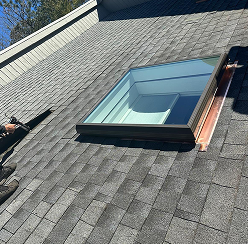
A skylight can bring a lot of natural light into a home, but it also creates an opening in the roof. Like any other part of the roof system, it needs to remain properly sealed and protected from the weather. When something around the skylight begins to fail, water can seep in.
The first sign is not always an obvious drip. You might notice a faint stain on the ceiling after heavy rain, peeling paint near the skylight, or a small damp area that seems to come and go. By the time water starts dripping into the room, the problem may have already been there for some time.
A skylight leak can happen for several reasons. Some problems are related to the skylight itself, while others begin with the flashing, seals, or the roof around it. Knowing what to look for can help homeowners decide when to schedule a skylight leak repair on Long Island.
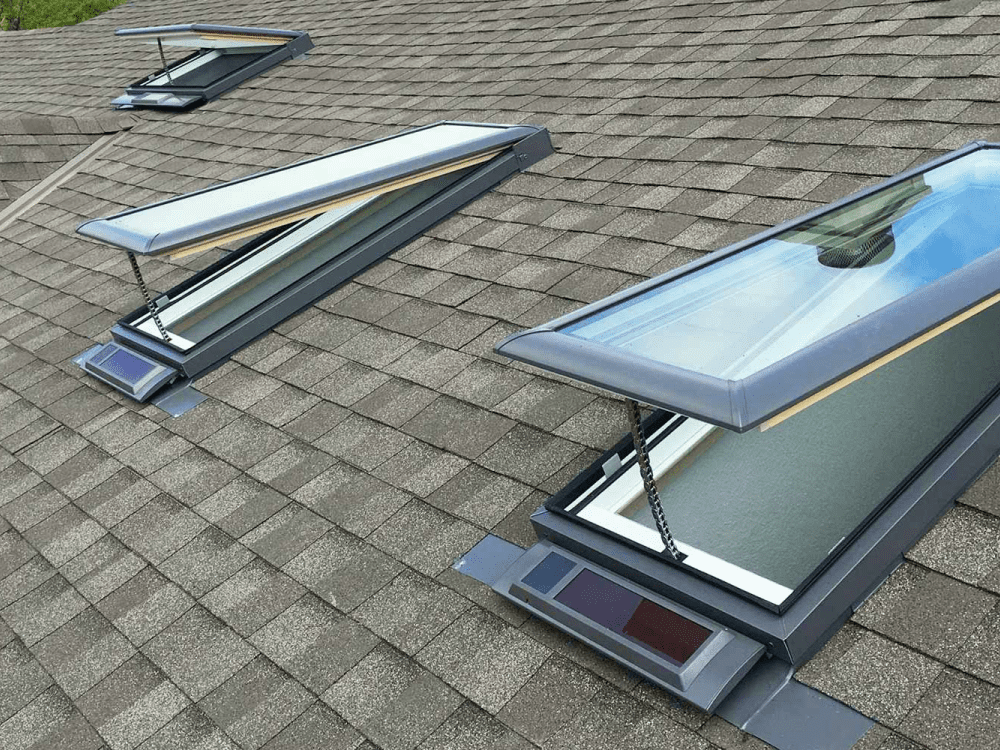
1. Damaged or Worn Seals
A skylight has sealing around its edges to keep rain from getting into the house. That material can wear down over the years. Sun, rain, heat, and cold all take their toll. Cracks may develop, or the seal may no longer sit tightly against the structure.
The first sign is not always obvious. A little water might appear only after a strong storm. Then the skylight may stay dry through the next few rains, making it harder to work out where the water is getting in.
You may notice:
- Moisture around the inside edge of the skylight
- Water stains near the ceiling
- Dampness after periods of rain
- Peeling paint or discoloration around the opening
A damaged seal does not automatically mean the skylight has reached the end of its life. The unit itself may be perfectly fine, and the problem may be only at the edge where the seal has worn out.
2. Problems With the Flashing
Flashing does a lot of the work around a skylight. It sits where the skylight meets the roof and helps move water away from the opening. If it becomes loose, damaged, or starts to pull away, water can get into the roof around the structure.
This is where leaks can be misleading. The skylight itself may look perfectly fine, while the real problem lies in the area around it. Weather, an aging roof, or prior repairs can all affect the flashing over time.
Simply adding sealant around the structure may not fix the leak if the flashing is the actual issue. The surrounding roof area needs to be checked to find where the water is coming from.
3. Cracked or Damaged Glass
A damaged skylight can sometimes be easy to spot. A branch may strike the glass during a storm, or something else may cause a crack or break. In other cases, the damage may develop over time. A small crack may not cause an immediate leak, but it can leave the skylight more vulnerable to water damage and may worsen with temperature changes or further impact.
Not all glass-related problems look like a clear crack. A cloudy appearance or moisture between the layers of glass may also suggest that the unit is no longer properly sealed. If you notice damage, it is worth having the structure inspected rather than waiting to see whether the problem worsens. The right solution depends on the condition of the glass and the skylight as a whole.
4. Age and General Wear
Even a well-installed skylight can show signs of age. Materials exposed to the weather year after year eventually wear down. Seals may lose their flexibility, frames may deteriorate, and parts of the structure can begin to fail. Older skylights can sometimes develop small problems in multiple areas. A repair may address one issue, but another worn part may need attention later.
This does not mean every older structure has to be replaced. Some can continue to perform well after the right repairs. The condition of the glass, frame, seals, flashing, and surrounding roof all matter when deciding what to do. If leaks have started recurring or repairs are becoming more frequent, it may be time to assess the condition of the entire skylight rather than focusing on one small area.
5. Problems With the Roof Around the Skylight
Sometimes, the skylight gets blamed for a leak that is actually coming from somewhere else. A roof problem near the structure can allow water to travel before it becomes visible inside the home. By the time the water reaches the ceiling, it may appear to be coming directly from the skylight.
Damaged shingles, worn roofing materials, or other openings around the roof can all cause this type of problem. This is one reason finding the exact source matters before starting a repair.
Looking only at the visible water stain can lead to the wrong conclusion. The area around the skylight may need to be examined to see where the water is actually entering.
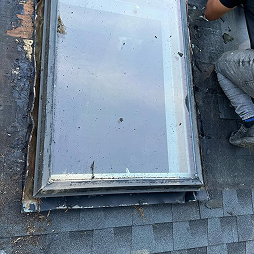
When Should You Get a Skylight Leak Repair in Long Island?
It is easy to put off a small leak when it only appears once in a while. But water problems rarely improve on their own. If you see a small stain after a storm, notice moisture around the frame, or find a few drops of water inside the home, it is better to address the issue before it spreads further.
You should consider scheduling a repair if you notice:
- Water dripping from the skylight
- New stains on the ceiling or walls nearby
- Moisture around the frame
- Repeated leaks during or after rain
- Visible cracks or damage
- Peeling paint around the skylight
- A musty smell or dampness near the opening
The cause of a leak is not always obvious. Water can move through the roof before it becomes visible inside, which is why the source may be somewhere other than where the stain or drip appears.
Why You Should Not Wait Too Long
A small leak may not seem urgent, especially if you only notice it during heavy rain. The problem is that water can continue moving into areas you cannot see. It may begin with a stain near the skylight. Over time, however, the moisture can affect drywall, insulation, wood, and other parts of the surrounding structure.
The longer the problem continues, the more difficult it becomes to determine how much water has entered and which areas have been affected. Getting the problem checked early gives you a better idea of the issue. In some cases, the repair may be relatively straightforward. Other situations may require work around the flashing or the surrounding roof.
Conclusion
A skylight leak can start in several different places. Worn seals, damaged flashing, cracked glass, age, and roof problems can all be responsible. The challenge is that the first sign inside the home does not always point directly to the source.
Paying attention to stains, moisture, and recurring leaks can help you catch a problem before it has more time to affect the area around the skylight. Once the source has been identified, the next step is to determine the type of repair that is appropriate for the skylight and roof condition. If the skylight is severely damaged or nearing the end of its lifespan, residential skylight installation may be a practical long-term solution to improve performance and prevent recurring leaks.