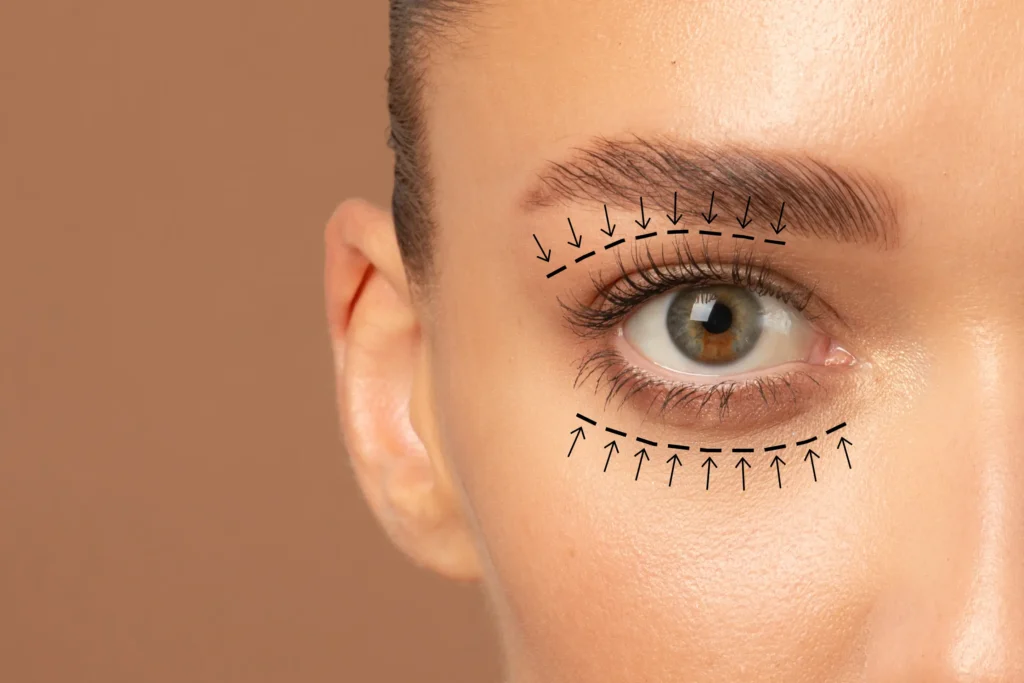
Changes around the upper eyelids can become more noticeable over time. Some people may develop excess skin, a heavier-looking upper eyelid, or changes in the definition of the eyelid crease. For others, the appearance of the upper eyelids may simply be a natural feature they have wanted to address for some time. These concerns can lead people to explore Upper Eyelid Surgery in London.
Upper eyelid surgery, also known as upper blepharoplasty, is designed to address selected features of the upper eyelid. However, not everyone will have the same treatment requirements. Suitability depends on factors such as the characteristics of the eyelids, individual expectations, general circumstances, and the assessment carried out during a consultation.
Understanding who may be considered for treatment can help prospective patients approach their consultation with realistic expectations and a clearer understanding of the treatment process.
What Is Upper Eyelid Surgery?
Upper eyelid surgery is a procedure that focuses specifically on the upper eyelids. It may involve addressing excess skin and, depending on the individual’s anatomy, other tissues contributing to the appearance of the area.
The objective is to create a treatment plan that complements the patient’s natural facial structure. Since eyelid anatomy varies considerably between individuals, the surgical approach is determined after an individual assessment.
People researching Upper Eyelid Surgery in London may have different reasons for considering treatment. Some may be primarily concerned with the appearance of excess upper eyelid skin, while others may want to improve the definition of their eyelid area.
The consultation is therefore an important part of determining whether the procedure is appropriate and what approach may be considered.
Who May Consider Upper Eyelid Surgery?
Upper eyelid surgery may be considered by adults who are concerned about the appearance of their upper eyelids and are seeking a surgical option.
Potential candidates may include people experiencing:
- Noticeable excess skin on the upper eyelids
- A heavier or less defined upper eyelid appearance
- Changes in the natural eyelid crease
- Age-related changes around the upper eyelids
- Naturally prominent upper eyelid skin
- Concerns about how the upper eyelids fit with their overall facial appearance
However, having one of these concerns does not automatically mean that surgery is appropriate. A qualified surgeon needs to assess the individual eyelid structure and discuss the patient’s expectations before making a treatment recommendation.
Age and Upper Eyelid Surgery
There is no single age at which everyone should consider upper eyelid surgery. Instead, the decision is generally based on the individual’s anatomy, concerns, and overall circumstances.
Some people may consider treatment as they notice age-related changes in the upper eyelids, while others may have naturally occurring characteristics that have been present for many years.
The important consideration is whether the patient has a specific concern that can potentially be addressed through upper eyelid surgery and whether their expectations are realistic.
During a consultation for Upper Eyelid Surgery in London, the surgeon can assess the eyelids and discuss whether treatment may be appropriate based on the patient’s individual circumstances.
People Concerned About Excess Upper Eyelid Skin
One of the most common reasons people explore upper eyelid surgery is the presence of excess skin.
As the skin around the eyes changes, the upper eyelid can develop a looser or heavier appearance. For some individuals, this can alter the definition of the eyelid and affect the overall appearance of the eyes.
Upper blepharoplasty may be considered when excess skin is a significant feature of the upper eyelid.
The surgeon will assess the amount and position of the skin before determining whether it can be addressed surgically and how much correction may be appropriate.
People With Naturally Heavy-Looking Upper Eyelids
Not every person with a heavy-looking upper eyelid has age-related changes. Some individuals naturally have fuller or heavier upper eyelids due to their anatomy.
If this feature is a long-standing concern, they may choose to explore surgical options.
The consultation allows the surgeon to distinguish between different anatomical factors contributing to the appearance of the upper eyelid. This assessment can then help determine whether upper eyelid surgery may be suitable.
People Experiencing Age-Related Eyelid Changes
Ageing can gradually alter the appearance of the upper face. Changes in skin elasticity and the tissues surrounding the eyes can make the upper eyelids appear different from how they looked earlier in life.
For people who are specifically concerned about these changes, upper blepharoplasty may be an option to discuss with a surgeon.
The treatment is focused on the eyelid area, so the consultation should establish which changes are present and what can reasonably be addressed through surgery.
People With Realistic Expectations
Having realistic expectations is an important part of considering any aesthetic procedure.
Upper eyelid surgery is intended to make carefully planned changes to the upper eyelids. It does not necessarily create a completely different eye shape or transform the entire appearance of the face.
Patients who understand the purpose of the procedure and have a clear idea of what they would like to improve may be better prepared for the consultation.
During the appointment, the surgeon can explain what may be achievable based on the patient’s individual anatomy.
People Who Understand the Treatment Process
Being considered for upper eyelid surgery also involves understanding the overall treatment journey.
This typically includes an initial consultation, an assessment of the eyelids, development of an individual treatment plan, preparation for surgery, the procedure itself, and postoperative follow-up.
Patients should be comfortable discussing the procedure and asking questions about the surgical technique, recovery period, and aftercare.
Understanding these stages allows patients to make a more informed decision about whether they want to proceed.
Why Is an Individual Assessment Necessary?
The structure of the upper eyelids varies significantly from one person to another. Factors such as skin thickness, eyelid crease position, eyebrow position, facial proportions, and the amount of excess tissue can all influence the treatment plan.
For this reason, suitability cannot be determined simply by age or by looking at photographs online.
A personal consultation allows the surgeon to examine the eyelid area and discuss the patient’s specific concerns. The surgeon can then explain whether upper eyelid surgery may be suitable and what type of approach could be considered.
This personalised assessment is particularly important for patients considering an Eyelid Surgery Clinic in London.
What Happens During the Consultation?
The consultation usually begins with a conversation about your concerns and what you hope to achieve.
You may be asked what specifically bothers you about your upper eyelids and whether the appearance has changed over time.
The surgeon will then assess the eyelid area and consider the relationship between the eyelids, eyebrows, forehead, and surrounding facial structures.
The consultation may cover:
- The amount of upper eyelid skin
- The natural eyelid crease
- The position of the eyebrows
- The overall shape of the eyes
- Your desired aesthetic outcome
- The proposed surgical technique
- Recovery and aftercare
- Follow-up appointments
This discussion gives you an opportunity to understand why a particular treatment approach may be recommended.
Can Upper and Lower Eyelid Surgery Be Combined?
Some patients have concerns involving both the upper and lower eyelids. In selected circumstances, Lower Eyelid Surgery In London may be discussed alongside upper eyelid surgery.
However, this does not mean both procedures are necessary for everyone.
The upper and lower eyelids have different anatomical characteristics and may require different surgical approaches. During a consultation, the surgeon can assess both areas if you have concerns about them and explain whether treatment of one or both eyelids may be appropriate.
The decision should be based on your individual facial anatomy and treatment goals.
What Should You Discuss With Your Surgeon?
An open conversation can make the consultation more useful. Patients should feel comfortable explaining what they want to change and asking questions about the proposed treatment.
Useful questions may include:
- What is contributing to the appearance of my upper eyelids?
- Would upper eyelid surgery address my particular concerns?
- What surgical technique would you recommend?
- How would the treatment be tailored to my facial features?
- Where would the incision be positioned?
- What should I expect during recovery?
- How long should I plan for follow-up care?
- Would you recommend addressing the lower eyelids as well?
These questions can help you understand whether the proposed treatment matches your expectations.
How Should You Prepare for Upper Eyelid Surgery Consultation?
Preparation can help you get more value from your appointment. Before visiting an Eyelid Surgery Clinic in London, think about the specific aspects of your eyelids that you would like to discuss.
You can make a short list of questions and concerns beforehand. It may also be useful to consider your preferred aesthetic outcome and whether you want to maintain particular features of your natural eye appearance.
Being clear and honest during the consultation allows the surgeon to develop a treatment discussion around your individual goals.
Choosing an Eyelid Surgery Clinic in London
Selecting a suitable clinic is an important part of the process. Patients considering Upper Eyelid Surgery in London should look for a clinic where the consultation provides an opportunity for detailed assessment and open discussion.
A professional consultation should explain the proposed treatment clearly and allow you to understand why a particular surgical approach may be suitable for your eyelid anatomy.
At bodyvie clinic, patients can discuss their concerns about eyelid appearance and explore whether upper eyelid surgery may be an appropriate treatment option based on an individual assessment.
What Happens After the Consultation?
Following the consultation, you can take time to consider the information provided. If you decide to proceed, the next steps can include scheduling surgery and receiving instructions about preparation.
The surgical plan will be based on the findings from your consultation and the goals discussed with your surgeon.
After treatment, follow-up appointments allow the surgical team to review your progress and provide guidance throughout the recovery process.
Taking time to understand each stage can help you approach the treatment journey with greater clarity.
Conclusion
Upper Eyelid Surgery in London may be considered by adults who are concerned about features such as excess upper eyelid skin, a heavy-looking eyelid, changes associated with ageing, or naturally prominent eyelid tissue.
However, suitability is individual. Age alone does not determine whether someone is appropriate for treatment. The condition of the eyelids, facial anatomy, personal goals, expectations, and overall circumstances all form part of the assessment.
A consultation at an experienced Eyelid Surgery Clinic in London provides an opportunity to discuss these factors in detail. If you also have concerns about the lower eyelids, Lower Eyelid Surgery In London can be discussed as part of the same overall facial assessment.
At bodyvie clinic, the consultation process can help patients understand their available options and determine whether upper eyelid surgery aligns with their individual aesthetic goals.
FAQs
Who may be considered for upper eyelid surgery?
Adults with concerns such as excess upper eyelid skin, a heavier-looking eyelid area, or changes in the appearance of the upper eyelids may be considered. Suitability is determined following an individual consultation and assessment.
Is there a specific age for upper eyelid surgery?
There is no universal age requirement based solely on appearance. The decision depends on individual anatomy, concerns, expectations, and suitability for the procedure.
Can younger adults have upper eyelid surgery?
Younger adults may consider treatment when they have specific anatomical features that concern them. A consultation is necessary to determine whether surgery is appropriate.
What does the surgeon assess during the consultation?
The surgeon may assess the amount of excess skin, eyelid crease, eyebrow position, eye shape, surrounding facial structures, and the patient’s desired outcome.
Can upper eyelid surgery address excess skin?
Yes. Addressing excess upper eyelid skin is one of the features that may be considered during upper blepharoplasty, depending on the individual’s anatomy.
Can upper and lower eyelid surgery be performed together?
In selected cases, upper and Lower Eyelid Surgery In London may be discussed together. Whether both are appropriate depends on the patient’s individual concerns and facial anatomy.
What should I ask during an upper eyelid surgery consultation?
You can ask about the proposed surgical technique, incision placement, expected recovery, aftercare, follow-up appointments, and how the treatment plan has been personalised to your features.
How do I choose an Eyelid Surgery Clinic in London?
Look for a clinic that provides a detailed consultation, individual assessment, clear information about the proposed treatment, and sufficient opportunity to discuss your goals and questions.
Will my upper eyelid surgery plan be personalised?
Yes. The surgical approach can be planned according to the individual’s eyelid anatomy, facial proportions, skin characteristics, and aesthetic objectives.
What happens after the consultation?
If you decide to proceed, the clinic can explain the next steps, including scheduling, preparation, surgery, and follow-up care. You can also take time to consider the information before making your decision.