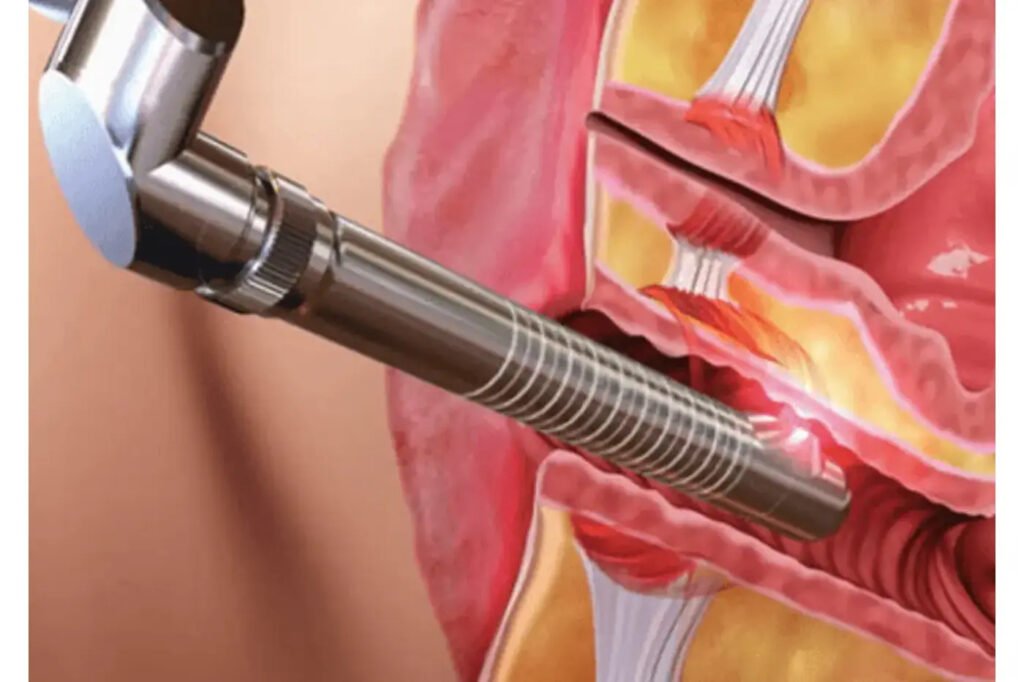
What Is Vaginal Rejuvenation Treatment?
Vaginal Rejuvenation Treatment is a broad term used for treatments designed to address changes in vaginal and vulvar comfort, tissue health, appearance, or function. Many women notice changes in this area during perimenopause, menopause, after childbirth, or as part of natural aging. Symptoms may include vaginal dryness, irritation, discomfort during intimacy, reduced tissue elasticity, or changes in urinary comfort. These concerns can affect confidence and quality of life, yet many women hesitate to discuss them because they feel personal or embarrassing. Understanding the available options can make it easier to have an informed conversation with a qualified healthcare professional. At Align Health and Menopause, vaginal health is considered within the wider picture of women’s hormonal and overall wellness rather than as an isolated concern.
Why Do Women Consider Vaginal Rejuvenation Treatment?
Women may consider Vaginal Rejuvenation Treatment for several different reasons, and the right approach depends on the individual’s symptoms, health history, age, and goals. Hormonal changes are one of the most common factors associated with vaginal changes, particularly around menopause. As estrogen levels change, vaginal tissues can become thinner, drier, and less flexible. Some women may also experience discomfort during sexual activity or changes in urinary symptoms. Others may be concerned about changes that occurred after pregnancy or childbirth. Because the causes can vary considerably, an evaluation is important before deciding whether a particular treatment is appropriate. Treatment should focus on a woman’s actual symptoms and health needs rather than simply following a popular trend.
How Does Menopause Affect Vaginal Health?
Menopause can affect much more than menstrual periods and hot flashes. Declining estrogen levels can influence the tissues of the vagina and vulva, potentially contributing to dryness, irritation, burning, reduced elasticity, and discomfort during intercourse. These changes are sometimes grouped under the term genitourinary syndrome of menopause. Symptoms can develop gradually, meaning a woman may initially assume that discomfort is simply part of getting older. However, persistent symptoms deserve attention because they can affect intimacy, sleep, physical comfort, and emotional well-being. Hormone Therapy For Menopause may be considered for some women depending on their individual circumstances, while other women may benefit from local or nonhormonal approaches to vaginal wellness.
Is Vaginal Rejuvenation Treatment Only for Women After Menopause?
Vaginal Rejuvenation Treatment is not necessarily limited to postmenopausal women. Vaginal or vulvar concerns can occur at different stages of life, including during perimenopause or following pregnancy and childbirth. However, the underlying reason for symptoms may differ from one woman to another. A younger woman experiencing discomfort may have a different cause than someone whose symptoms developed after menopause. This is why age alone should not determine whether treatment is considered. A healthcare evaluation can help identify whether hormonal changes, tissue changes, pelvic floor concerns, infection, medication effects, or another condition may be contributing to symptoms.
What Happens During a Vaginal Health Evaluation?
Before considering Vaginal Rejuvenation Treatment, a healthcare professional may discuss symptoms, medical history, reproductive history, medications, hormonal changes, and personal goals. Depending on the situation, an examination may also be appropriate. The purpose of an evaluation is to understand what is actually causing the symptoms instead of assuming that one treatment will work for everyone. Hormonal concerns may also be discussed when symptoms occur alongside hot flashes, night sweats, sleep changes, mood changes, or other signs associated with menopause. Women searching online for Hormonal Testing Near Me may be looking for answers about these broader symptoms, but testing is not automatically necessary for every woman. A healthcare professional can determine whether testing or another form of evaluation is appropriate.
Can Hormone Changes Influence Vaginal Comfort?
Hormones can play an important role in vaginal tissue health, particularly estrogen. Estrogen supports the health, thickness, elasticity, and natural moisture of vaginal tissues. When estrogen levels decline, some women experience noticeable changes in comfort and sexual health. This does not mean that every vaginal symptom is caused by hormones, however. Infection, dermatological conditions, pelvic floor problems, medications, and other health factors can also contribute. Hormone Support may therefore be one part of a broader wellness strategy for some women, but treatment decisions should be based on an individual’s symptoms and medical history rather than on hormone levels alone.
What Treatment Options May Be Discussed?
The appropriate Vaginal Rejuvenation Treatment approach depends on the underlying concern and the woman’s health needs. Some women may benefit from nonhormonal moisturizers or lubricants, while others may discuss prescription options or other therapies with their healthcare professional. In selected cases, hormonal treatment may be considered when menopause-related tissue changes are contributing to symptoms. Hormone Replacement Therapy Pellets are another form of hormone therapy that some patients ask about, but they are not automatically appropriate for vaginal symptoms and should not be treated as a universal solution. A personalized assessment is important because vaginal health concerns can have different causes and require different approaches.
Is Vaginal Rejuvenation Treatment the Same as Hormone Therapy?
Vaginal Rejuvenation Treatment and hormone therapy are not necessarily the same thing. Vaginal rejuvenation is an umbrella term that can refer to different approaches intended to address vaginal or vulvar concerns, while hormone therapy focuses on changing or replacing hormones in the body. Some women may need treatment directed specifically at vaginal symptoms, while others may have broader menopausal symptoms that lead to a discussion about systemic hormone therapy. The distinction matters because the safest and most useful treatment depends on the problem being addressed. A woman experiencing vaginal discomfort should receive an individualized assessment rather than assuming that a particular hormone treatment or rejuvenation procedure is automatically the best choice.
What About Hormonal Health Beyond Vaginal Symptoms?
Vaginal changes can sometimes occur alongside other symptoms associated with changing hormone levels. Women may also experience hot flashes, sleep disruption, changes in mood, fatigue, or changes in body composition during the menopausal transition. These concerns may lead some patients to explore broader hormone management. At the same time, unrelated wellness trends can create confusion about what actually works. For example, the Rice Hack For Weight Loss has attracted attention online, but a viral diet trend should not be confused with medically supervised management of weight or hormonal health. Similarly, a Weight Loss Clinic Chesterfield MO may address weight concerns separately from vaginal symptoms, even though both can be discussed as part of a woman’s overall wellness plan.
Can Vaginal Rejuvenation Treatment Improve Intimacy?
For women whose intimacy is affected by vaginal dryness, irritation, tissue changes, or discomfort, addressing the underlying problem may improve physical comfort and confidence. Vaginal Rejuvenation Treatment may be considered when appropriate after determining what is causing the symptoms. However, expectations should remain realistic. Not every treatment produces the same outcome, and no single approach is guaranteed to resolve every sexual or vaginal concern. Intimacy can also be affected by relationship factors, medications, pelvic floor issues, emotional health, and other physical conditions. Open communication with a healthcare professional can help determine whether vaginal treatment is likely to address the specific concern.
Are There Risks to Consider?
Like any medical treatment, Vaginal Rejuvenation Treatment may have potential benefits and risks depending on the specific method being considered. Some procedures or therapies may cause temporary discomfort, irritation, swelling, or other side effects, while certain treatments may not be appropriate for women with particular medical conditions. It is important to understand exactly what a proposed treatment involves, what evidence supports it, what results can reasonably be expected, and what alternatives are available. Women should be cautious about treatments promoted with promises of dramatic or guaranteed results. A qualified healthcare professional can help separate reasonable expectations from marketing claims and determine whether treatment is appropriate.
How Does Vaginal Health Fit Into Menopause Care?
Vaginal health is an important part of comprehensive menopause care. A woman may seek Hormone Therapy For Menopause because of hot flashes or sleep problems and later realize that vaginal discomfort is also affecting her daily life. Another woman may have vaginal symptoms without significant hot flashes or other common menopausal complaints. Both situations deserve individualized attention. At Align Health and Menopause, discussions about menopause can include the different ways hormonal changes affect the body, allowing women to consider their symptoms as part of a larger health picture rather than treating each concern as completely separate.
What About Hormone Therapy for Men?
Hormonal health is not exclusively a women’s issue. Men can also experience changes in hormone levels that may contribute to symptoms requiring medical evaluation. Bioidentical Hormone Replacement Therapy For Men is sometimes discussed in the context of testosterone-related concerns, but treatment should only be considered after an appropriate medical assessment. This is separate from vaginal health and should not be used as a reason to assume that hormone therapy is appropriate for every person. Whether discussing Hormone Replacement Therapy Pellets, menopause care, or other hormone-related treatments, individualized evaluation remains an important part of responsible healthcare.
Can A Woman Get Pregnant After Menopause?
The question “Can A Woman Get Pregnant After Menopause?” is common because reproductive changes can sometimes be misunderstood. Natural menopause is defined by twelve consecutive months without a menstrual period when there is no other medical explanation. After natural menopause, pregnancy is no longer possible because the ovaries have stopped releasing eggs. However, fertility can still be possible during perimenopause because ovulation may continue even when periods become irregular. Women who are still experiencing menstrual cycles should therefore discuss contraception and reproductive health with a healthcare professional if pregnancy is not desired. This question is separate from vaginal rejuvenation, but it highlights why understanding the different stages of hormonal change is important.
When Should a Woman Talk to a Healthcare Professional?
Persistent vaginal dryness, pain, burning, irritation, bleeding, unusual discharge, urinary changes, or discomfort during intimacy should not simply be dismissed as a normal part of aging. These symptoms can have several possible causes, and some require medical attention. A healthcare professional can evaluate symptoms and determine whether Vaginal Rejuvenation Treatment or another approach makes sense. Women should also seek evaluation if symptoms suddenly change, become severe, or interfere significantly with daily activities or intimate relationships. Early discussion can make it easier to identify the underlying cause and choose a treatment plan based on individual needs.
How Can Women Make an Informed Treatment Decision?
Making an informed decision about Vaginal Rejuvenation Treatment starts with understanding the problem being treated. Women should feel comfortable asking what is causing their symptoms, what treatment is being recommended, what results are realistic, how long results may last, and whether there are alternatives. It is also important to understand whether a proposed approach is addressing vaginal tissue changes, hormonal symptoms, pelvic floor concerns, or another condition. Treatment should never be selected simply because it is popular online. A personalized conversation with a qualified healthcare professional can provide a clearer path forward and help ensure that the treatment decision reflects the woman’s health, comfort, and goals.
What Role Does Align Health and Menopause Play?
Align Health and Menopause focuses on helping patients understand hormone-related changes and available options through individualized care. For women experiencing vaginal concerns, the goal should be to understand the symptoms and contributing factors before selecting a treatment. Vaginal Rejuvenation Treatment may be one option for appropriately selected patients, but it is not a substitute for a complete evaluation. Hormonal health, menopause symptoms, sexual wellness, and other concerns can overlap, making personalized care especially valuable. A thoughtful approach can help women make decisions based on their own health needs rather than generalized claims or internet trends.
What Should Women Remember About Vaginal Wellness?
Vaginal health can change throughout a woman’s life, and experiencing discomfort does not mean she has to accept it without seeking help. Vaginal Rejuvenation Treatment may provide an option for certain concerns, but the most appropriate approach depends on the cause of symptoms and the individual’s health history. Menopause-related hormone changes, childbirth, aging, medications, and other factors can all influence vaginal comfort. The most important step is understanding what is happening and discussing appropriate options with a qualified healthcare professional. At Align Health and Menopause, women can approach these conversations as part of their broader health and wellness rather than something they need to manage silently.
Conclusion: Is Vaginal Rejuvenation Treatment Right for You?
Vaginal Rejuvenation Treatment can be considered by women experiencing changes in vaginal comfort, tissue health, or function, but the right solution is highly individual. Menopause and changing estrogen levels can contribute to symptoms, yet they are not the only possible causes. A proper evaluation can help determine whether a vaginal treatment, hormone-related approach, nonhormonal option, or another form of care is most suitable. Women should seek clear information, realistic expectations, and personalized medical guidance before choosing treatment. Understanding vaginal health as part of the wider picture of hormonal wellness can help women make informed decisions and feel more confident discussing concerns that are often left unspoken.