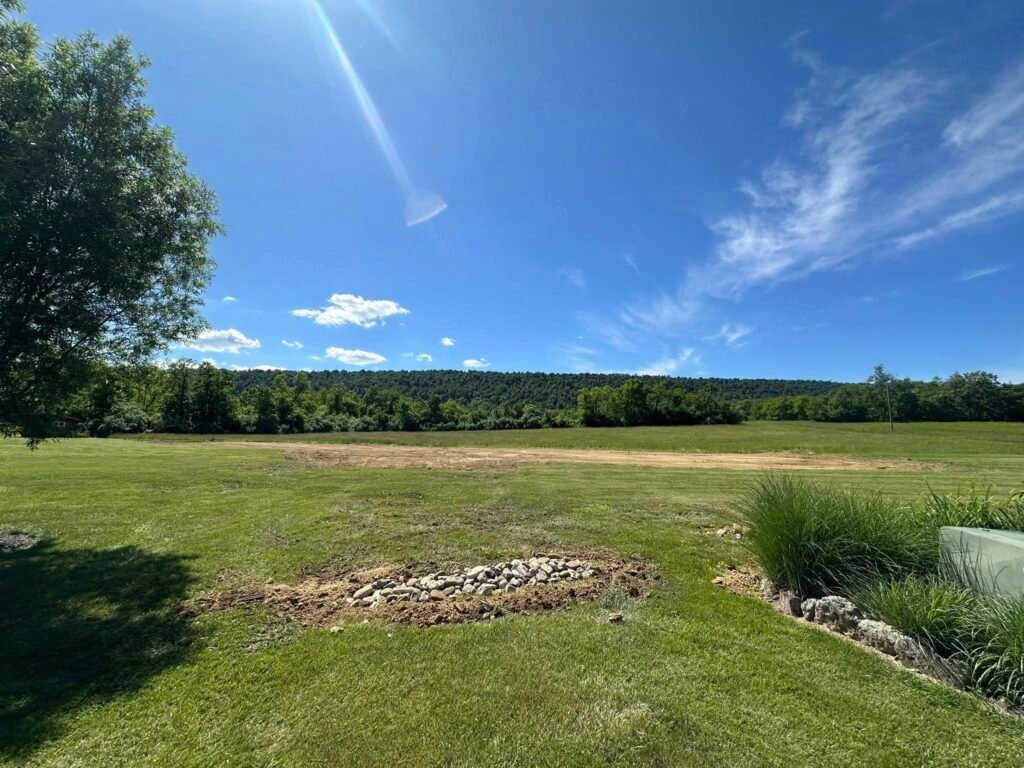
Let’s be real, an overgrown lot looks simple from the outside. Trees, brush, maybe some dense underbrush, cut it down and haul it off, right. Truth is, it’s rarely that straightforward, and it’s why most people end up calling brush clearing services in Winchester instead of renting a chainsaw and figuring it out over a weekend. This post gets into what clearing land actually involves, why it’s more involved than it looks, and how it fits into bigger picture work like getting ready to build something new on the property.
Why People Underestimate This Job
A yard full of brush doesn’t look dangerous or complicated, it just looks messy. But underneath that mess there’s usually root systems that go deeper than expected, sometimes invasive species that spread fast if they’re not cleared properly, and terrain that isn’t as flat as it appears once the vegetation’s actually gone. What looks like a weekend project on the surface often turns into something that needs real equipment and a real plan.
What Proper Clearing Actually Involves
It’s not just cutting things down. A thorough job includes removing root systems so things don’t just grow back within a season, hauling debris off site instead of leaving it to rot or become a fire hazard, and assessing the ground underneath once it’s exposed. Sometimes that reveals drainage issues or soil problems that were hidden the whole time under all that overgrowth. Clearing is really the first step that lets you actually see what you’re working with.
How This Connects To Building Something New
If the end goal is construction, clearing isn’t a separate task, it’s the starting point of proper site preparation for building a house. You can’t grade land accurately, test soil properly, or plan drainage until the vegetation’s out of the way. Skipping straight to grading on a lot that isn’t fully cleared usually means redoing work later once roots or debris get in the way mid project, which costs more time than doing it right from the start would have.
Environmental Considerations People Often Miss
Clearing land isn’t just about removing what’s there, it’s also about not creating a bigger mess in the process. Erosion control matters once vegetation that was holding soil in place is gone. Some areas near water sources have specific regulations about what can be cleared and how close to the water it’s allowed. A crew that ignores this stuff might get the job done fast, but it can create problems that show up later, sometimes with legal implications depending on the site.
Equipment Matters More Than People Expect
Not every overgrown lot needs the same approach. Dense brush with heavy root systems needs different equipment than scattered saplings and light undergrowth. Some sites are tight enough that large machinery just can’t maneuver, which means more manual work and a longer timeline. Ask what equipment they’re planning to use and why, because a crew that only has one option is going to try to make every job fit that one option regardless of whether it’s actually the right fit.
Permits Can Apply Here Too, Which Surprises People
It seems like clearing brush shouldn’t need approval, it’s just plants after all. But depending on the size of the area, proximity to water, or whether protected trees are involved, permits can be required. The short answer is, check before starting, especially on larger lots or ones near streams or wetlands. Winchester has specific rules depending on scope, and it’s a lot easier to confirm that upfront than deal with a violation after the fact.
What A Good Timeline Actually Looks Like
Depending on how dense the growth is and how large the area, clearing can take anywhere from a day to over a week. Weather plays a role too, wet ground slows equipment down and makes hauling debris out harder. A contractor who gives a realistic range instead of an overly optimistic single day promise is usually being straight with you about what the job actually requires.
Questions Worth Asking Before Hiring
Ask how they handle root removal, not just surface cutting, because that’s the difference between a lasting clear and something that grows right back. Ask about debris disposal, since hauling it off properly matters more than people think. Ask if they’ve handled similar terrain locally before, since a lot with rocky patches or steep sections needs different handling than a flat open lot.
Final Thoughts
Clearing overgrown land isn’t as simple as it looks from the road, and treating it like a weekend chore usually means paying for it twice once problems show up later. Whether you’re just reclaiming a messy yard or you’re at the earliest stage of proper site preparation for building a house, this step deserves real planning, not a rushed weekend fix. Ask about root removal, check on permit requirements, and work with people who understand the terrain here specifically. It’s the unglamorous first step, but everything after it depends on getting it right.