A healthy and confident smile plays a significant role in both personal and professional life. Thanks to modern dentistry, damaged or decayed teeth can now be restored with materials that closely resemble natural tooth enamel. One of the most popular options available today is composite resin for teeth. Whether you have a chipped tooth, cavities, small gaps, or worn enamel, composite resin provides an effective, aesthetically pleasing, and minimally invasive solution.
At Meditouring, patients can explore advanced dental treatments through trusted international clinics that combine modern technology with experienced dental professionals. Composite resin restorations have become a preferred choice because they preserve more of the natural tooth while delivering outstanding cosmetic results.
What Is Composite Resin for Teeth?
Composite resin is a tooth-colored dental material made from a mixture of fine glass particles and durable synthetic resin. It is carefully matched to the natural shade of your teeth, making restorations virtually invisible.
Dentists commonly use composite resin for:
- Filling cavities
- Repairing chipped or cracked teeth
- Closing small gaps between teeth
- Improving tooth shape
- Cosmetic bonding
- Replacing old metal fillings
- Minor smile makeovers
Unlike traditional silver amalgam fillings, composite resin blends seamlessly with surrounding teeth, creating a natural appearance.
Benefits of Composite Resin for Teeth
Composite resin has become increasingly popular because it offers several advantages over conventional restorative materials.
Natural Appearance
One of the biggest benefits is its ability to closely match the color of natural teeth. This makes it an ideal solution for visible front teeth as well as back teeth.
Preserves Tooth Structure
Composite resin bonds directly to the tooth surface, requiring less removal of healthy tooth material during treatment compared to other restorative options.
Strong Adhesion
Modern bonding techniques allow the resin to adhere securely to enamel and dentin, strengthening the remaining tooth structure.
Quick Treatment
Many composite resin procedures can be completed in a single dental appointment, allowing patients to return to their daily routine immediately.
Mercury-Free Restoration
Unlike traditional amalgam fillings, composite resin contains no mercury, making it an attractive option for patients seeking metal-free dental restorations.
When Is Composite Resin Recommended?
Dentists recommend composite resin for various dental concerns, including:
- Small to moderate cavities
- Chipped or fractured teeth
- Worn tooth edges
- Cosmetic imperfections
- Discolored teeth
- Closing minor spaces between teeth
- Replacing worn or damaged fillings
A thorough dental examination helps determine whether composite resin is the most suitable treatment option for your individual needs.
The Composite Resin Procedure
The treatment process is generally simple and comfortable.
Step 1: Examination
The dentist evaluates your oral health and identifies the area requiring restoration.
Step 2: Tooth Preparation
Only the damaged or decayed portion of the tooth is removed, preserving healthy tooth structure.
Step 3: Shade Matching
A composite resin color is selected to blend naturally with your surrounding teeth.
Step 4: Layering the Resin
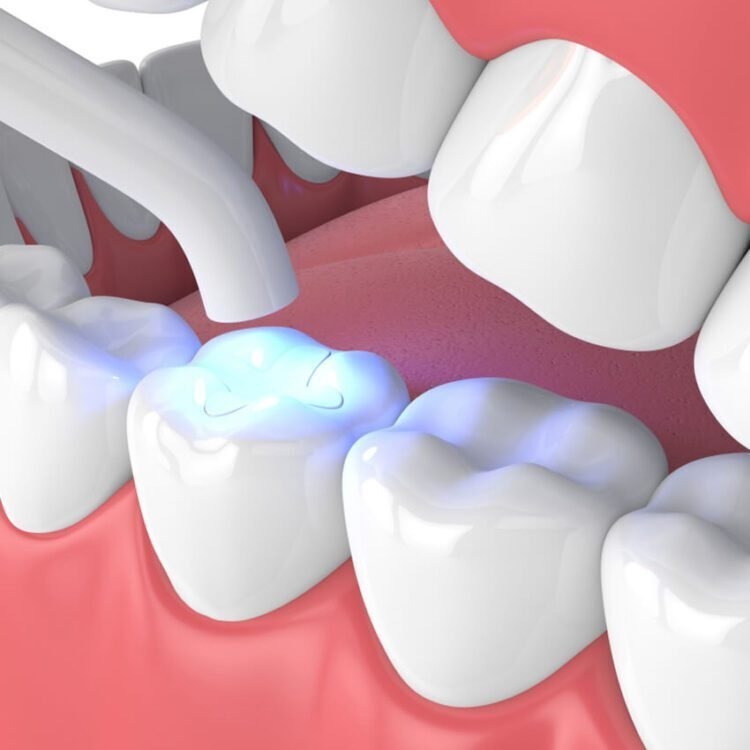
The resin is applied in thin layers, with each layer hardened using a specialized curing light.
Step 5: Shaping and Polishing
After curing, the dentist carefully shapes and polishes the restoration to match your bite and achieve a smooth, natural finish.
The entire procedure is typically completed within 30 to 60 minutes, depending on the complexity of the case.
How Long Does Composite Resin Last?
The lifespan of composite resin depends on several factors, including oral hygiene, eating habits, and the location of the restoration.
On average, composite resin restorations last between 5 and 10 years, while many patients enjoy even longer-lasting results with proper care.
Regular dental checkups help detect minor wear before it becomes a larger issue.
Caring for Composite Resin Restorations
Maintaining composite resin restorations is relatively easy.
Follow these simple recommendations:
- Brush twice daily using fluoride toothpaste.
- Floss every day.
- Visit your dentist regularly for examinations and cleanings.
- Avoid chewing ice or hard objects.
- Limit excessive consumption of coffee, tea, red wine, and tobacco to reduce staining.
- Wear a night guard if you grind your teeth.
Good oral hygiene significantly extends the life of composite resin restorations.
Is Composite Resin Better Than Amalgam?
Both materials have their place in dentistry, but composite resin offers several cosmetic and functional advantages.
Composite resin:
- Matches natural tooth color
- Bonds directly to teeth
- Requires less drilling
- Contains no mercury
- Offers excellent aesthetics
Amalgam may still be recommended for certain high-pressure chewing areas, but many patients now prefer composite resin because of its natural appearance and conservative treatment approach.
Why Patients Choose Dental Tourism for Composite Resin Treatment
Dental tourism has become increasingly popular for patients seeking high-quality dental care at competitive prices. Many internationally accredited clinics provide advanced restorative procedures using modern equipment and internationally trained dentists.
MediTouring helps connect patients with reputable dental providers, making it easier to compare treatment options, receive personalized assistance, and plan dental travel with confidence.
Patients often benefit from:
- Affordable treatment packages
- Experienced dental specialists
- Modern dental technology
- Personalized patient care
- Comfortable treatment experience
- Opportunities to combine treatment with travel
Frequently Asked Questions
Is composite resin painful?
Most procedures involve little to no discomfort. Local anesthesia may be used when treating cavities or deeper restorations.
Can composite resin stain?
Yes. Although resistant to staining, excessive coffee, tea, tobacco, and red wine may gradually discolor the material over time.
Can composite resin repair chipped teeth?
Absolutely. Cosmetic bonding with composite resin is one of the most common treatments for repairing chipped or broken teeth.
Is composite resin suitable for front teeth?
Yes. Because it closely resembles natural enamel, composite resin is one of the preferred materials for restoring front teeth.
Final Thoughts
Composite resin for teeth has transformed restorative and cosmetic dentistry by offering durable, natural-looking, and minimally invasive treatment options. Whether you’re repairing cavities, restoring chipped teeth, or enhancing your smile, composite resin delivers excellent aesthetic and functional results.
Choosing experienced dental professionals is essential for achieving long-lasting restorations. Through Meditouring, patients can explore trusted international dental clinics that prioritize quality care, advanced technology, and personalized treatment plans. With proper maintenance and regular dental visits, composite resin restorations can help preserve your smile and confidence for many years to come.