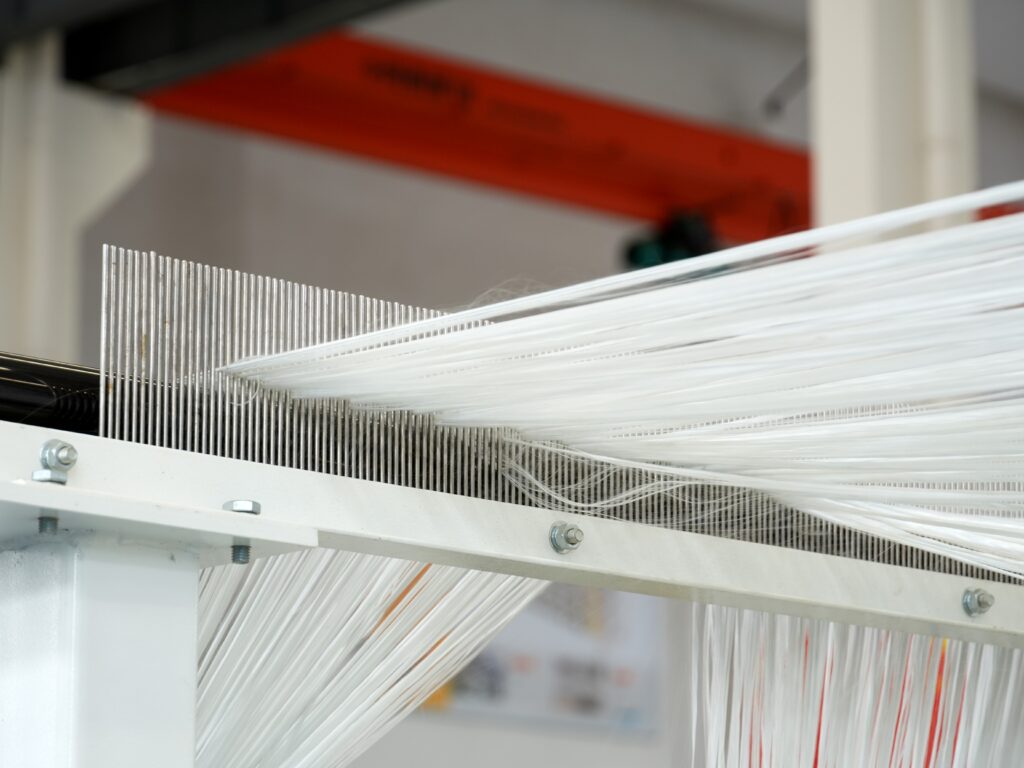
High-strength chopped glass fiber has become a crucial reinforcement material for various industries due to its exceptional mechanical performance characteristics, lightweight nature, and cost-effectiveness. Chopped glass fibers are produced by cutting continuous strands of glass fibers into predetermined lengths and then incorporating them into polymers, concrete, composites, and other products to significantly enhance strength, impact resistance, and durability. Due to a continued search for innovative methods to improve performance without increasing weight or production expense, high-strength chopped glass fiber has become an integral part of today’s modern manufacturing processes. Its versatility in applications includes automotive components and materials, construction materials and products, renewable energy systems, and consumer products.
Automotive Industry
Vehicle manufacturers are constantly under pressure to reduce weight, increase fuel economy, and comply with a variety of environmental regulations without compromising on safety or performance. Chopped glass fiber reinforced thermoplastics provide an excellent option for automobile manufacturers because of their excellent strength-to-weight ratios and their excellent dimensional stability. Common components such as dashboards, bumpers, door panels, engine covers, and structural supports are increasingly being manufactured using glass-fiber-reinforced materials.
Construction and Infrastructure
High-strength chopped glass fibers will help improve the lifespan of building materials used in the construction industry. The longevity and durability of composite construction products such as glass fiber reinforced concrete (GFRC) will be enhanced by the properties of high-strength chopped glass fibers, which improve tensile strength, increase crack resistance, and increase weather resistance. The supply of high-strength chopped glass fibers for building materials will be highly valuable for architectural panels and roofing systems, flooring materials, bridges, and precast concrete structures. Construction industry professionals who use glass fibers will appreciate the lower maintenance costs associated with their use, as well as the extended service life in harsh environments.
Aerospace and Aviation
High-strength chopped glass fiber is an ideal reinforcement material to meet the aerospace industry’s requirements for lightweight yet high-strength, durable materials. Aircraft use glass fiber-reinforced composites in a variety of applications, including interior panels, seating structures, cargo areas, and insulation systems, as well as in the fabrication of secondary aircraft structures. In many respects, glass fibers provide mechanical properties that will help to reduce the total weight of aircraft, thus allowing improved fuel efficiency and operational savings. Additionally, glass fibers are resistant to corrosion, moisture, and temperature extremes, making them an excellent material choice for the tough environments associated with the commercial aviation industry.
Electrical and Electronics Industry
Engineering plastics reinforced with glass fiber are commonly used in electrical housings, circuit breaker components, connectors, switchgear systems, and enclosures for electronic equipment. These materials provide excellent electrical insulation, dimensional stability, and resistance to temperatures and chemicals. With the trend toward ever smaller and more technologically advanced electronic devices, manufacturers need materials that can withstand the rigors of demanding operational requirements while maintaining structural integrity. Solutions using chopped glass fiber can provide these needed characteristics while aiding in the support of high-volume production methods.
Renewable Energy Sector
Glass fiber reinforced composites are also widely used in the wind energy sector for applications such as turbine blades, nacelles, and other structural components. The use of these composite materials in solar energy systems is also significant as it relates to the use of reinforced materials for the mounting of solar arrays, as well as for the protection of the solar modules. Thanks to the lightweight characteristics of these glass fiber composites, it is easier to transport and install them while reducing the overall structural load. In addition, glass fiber composites have been shown to provide excellent resistance to environmental factors such as moisture, UV, and temperature extremes, providing long-term reliability when used in outdoor applications.
Marine and Transportation Applications
Both wind and maritime transport need very durable materials to handle the harsh weather they face daily and provide structural integrity. These high-strength chopped glass-fibre composite materials are excellent at resisting corrosion, preventing water from penetrating, and resisting impact; therefore, they can be used in boats, ships, recreational vehicles, railway vehicles, and all types of commercial transport equipment. Moreover, glass-fibre reinforced materials in marine applications help to reduce the weight of vessels, increasing fuel efficiency and reducing the maintenance needed.
The Closing Thoughts
Chopped glass-fibre can be used as a reinforcement material in a variety of industries, including automotive manufacturing, construction, aerospace, renewable energy, electronics, marine, consumer products, and many other areas. Since it does not significantly add to the weight of a material, it gives all companies a competitive advantage. As new technologies continue to improve and the need for sustainability-oriented changes increases, the demand for high-performance composite materials continues to grow. High-strength chopped glass-fibre materials represent the reliable path toward more robust, lightweight, and durable products, making them an invaluable asset for every industry looking to adapt to the changing requirements of today’s markets and face the challenges brought about by future engineering.