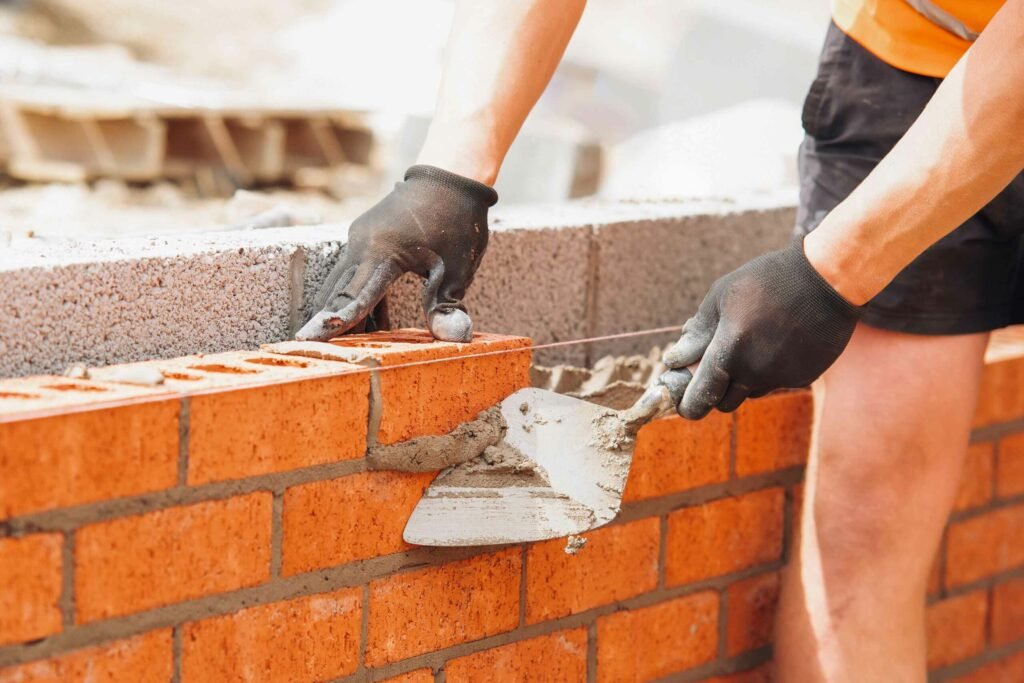
A well-built home should do more than look attractive—it should stand strong through years of weather, daily use, and changing needs. Masonry can help homeowners achieve that balance by combining strength, appearance, and long-term performance. For residential projects, working with Local Masonry Contractors can also make it easier to choose suitable materials, address regional conditions, and complete detailed work correctly. From walls and fireplaces to patios and outdoor features, professional masonry services can add meaningful value to a property.
Why Masonry Matters in Residential Construction
Masonry has been used in residential construction for generations because it offers a dependable combination of durability and visual appeal. Brick, stone, concrete block, and other masonry materials can create structures that withstand everyday wear while contributing to the character of a home.
Unlike some finishes that may require frequent replacement, properly installed masonry can provide long service with relatively modest maintenance. This makes it an attractive choice for homeowners who want construction improvements that continue delivering value long after the project is complete.
Stronger and More Durable Structures
One of the biggest advantages of masonry is its ability to withstand demanding conditions. Quality masonry construction can resist impacts, moisture exposure, temperature changes, and general wear when it is properly designed and installed.
For example, a professionally constructed brick wall can provide a strong boundary around a property while maintaining its appearance for many years. Similarly, stone retaining walls can provide structural support while improving the landscape.
The quality of installation matters, however. Experienced Masonry Contractors understand how to prepare surfaces, select appropriate materials, create proper joints, and manage drainage. These details can significantly affect the lifespan of the finished work.
Masonry Improves Curb Appeal
First impressions matter when evaluating a home. Exterior masonry can give a property a distinctive appearance while complementing its architectural style.
Brick walkways, stone accents, masonry columns, retaining walls, patios, and outdoor fireplaces can all add visual interest. Because masonry materials come in different colors, textures, patterns, and finishes, homeowners can create designs that suit both traditional and contemporary properties.
A thoughtfully designed masonry feature does not have to dominate the exterior. Even a small stone entrance feature or brick border can make a home look more polished and complete.
Matching Masonry With the Home’s Design
The best results come from choosing materials that work naturally with the existing property. Homeowners should consider the color of the siding, roofing, windows, doors, landscaping, and other exterior elements before selecting masonry materials.
For instance, warm brick can complement traditional architecture, while clean concrete or natural stone may work well with modern designs. A professional can also help balance different textures so the finished project looks intentional rather than mismatched.
Better Long-Term Maintenance
Homeowners often focus on the initial construction cost, but long-term maintenance deserves equal attention. Durable masonry can reduce the need for frequent repairs or replacement when it is installed and maintained correctly.
Routine maintenance may include inspecting mortar joints, cleaning surfaces, checking for cracks, and addressing water-related problems early. These relatively simple steps can help prevent minor defects from developing into expensive repairs.
Masonry can also be easier to maintain than certain exterior materials that need regular painting, staining, or replacement. The exact maintenance requirements depend on the material, climate, installation method, and location.
Masonry Can Increase Property Value
Residential improvements are most valuable when they combine practical benefits with attractive design. Masonry can contribute to both, making it an appealing choice for homeowners considering future resale.
A well-built stone patio, brick walkway, retaining wall, or masonry fireplace can make a property more functional and visually appealing. Buyers may also appreciate durable exterior features that appear capable of serving the home for many years.
However, homeowners should avoid treating masonry as a guaranteed dollar-for-dollar return on investment. Property values depend on numerous factors, including location, market conditions, overall property condition, design quality, and buyer preferences.
Practical Masonry Improvements That Add Value
Consider the following residential applications:
- Brick or stone walkways: Create attractive and durable paths around the property.
- Retaining walls: Help manage sloped landscapes while adding structure.
- Patios: Provide useful outdoor living and entertaining space.
- Outdoor fireplaces: Add a functional focal point to outdoor areas.
- Masonry columns: Improve entrances, gates, and architectural details.
- Brick or stone accents: Add character without requiring a complete exterior renovation.
- Garden walls: Define outdoor spaces while enhancing landscaping.
Each project should be selected according to the home’s needs rather than simply following a design trend.
Masonry Provides Excellent Design Flexibility
Another reason masonry remains popular is its versatility. Homeowners can use masonry for structural work, decorative features, landscaping, outdoor living areas, and interior details.
Different materials create different visual effects. Brick often provides a warm and traditional appearance, while natural stone can create a more organic look. Concrete masonry units can offer practical construction options for walls and other applications.
This flexibility allows homeowners to use masonry in both large renovations and smaller upgrades.
Residential Masonry Options at a Glance
| Masonry Application | Main Benefit | Common Residential Use |
|---|---|---|
| Brick walls | Durability and classic appearance | Exterior walls and accents |
| Natural stone | Premium visual appeal | Facades, fireplaces, landscaping |
| Concrete block | Strength and practicality | Foundation and utility walls |
| Stone retaining walls | Landscape support | Sloped yards and gardens |
| Brick pavers | Durable surface | Walkways and patios |
| Masonry fireplaces | Function and character | Indoor or outdoor living areas |
Choosing the right material depends on the project’s purpose, local climate, budget, and desired appearance.
Masonry Can Improve Outdoor Living Spaces
Outdoor spaces have become an important part of residential design. Masonry can help transform unused areas into comfortable spaces for relaxing, entertaining, and spending time with family.
A properly constructed patio can provide a durable foundation for outdoor furniture. A masonry fireplace or fire feature can create a natural gathering point, while a stone retaining wall can organize a sloped yard.
Because masonry materials can withstand outdoor exposure, they are often suitable for projects where surfaces face sun, rain, temperature changes, and regular foot traffic.
Professional Installation Makes a Difference
Even high-quality masonry materials can perform poorly when installation is rushed or improperly planned. Correct preparation, alignment, drainage, mortar selection, joint placement, and finishing all influence the final result.
Professional Masonry Contractors bring experience to these details. They can identify potential problems before construction begins and recommend solutions based on the project’s location and intended use.
What Homeowners Should Ask Before Hiring a Contractor
Before choosing a masonry professional, homeowners should consider several practical questions:
- Do they have experience with similar residential projects?
- Can they explain the recommended materials and installation method?
- Do they provide a detailed written estimate?
- Can they explain how drainage and moisture will be managed?
- Do they have appropriate insurance and required credentials?
- Can they provide examples of previous masonry work?
- What maintenance will the finished project require?
Clear communication at the beginning can prevent misunderstandings later.
Proper Planning Helps Control Project Costs
Masonry projects can vary considerably in price. Material selection, project size, site conditions, labor requirements, access, design complexity, and preparation work can all affect the final budget.
Homeowners should therefore compare complete project estimates instead of focusing only on the cost per square foot. A lower initial quote may not provide the same materials, preparation, drainage solutions, or finishing quality as a more detailed proposal.
It is also wise to establish the project’s priorities early. If the budget is limited, homeowners can discuss which features provide the greatest practical and visual benefit rather than cutting essential installation steps.
Masonry Supports Safer and More Functional Properties
Beyond appearance, masonry can contribute to practical improvements around a home. Retaining walls can help organize sloped landscapes, while properly constructed steps and walkways can create safer movement around the property.
Masonry walls and other assemblies can also provide useful fire-resistant properties depending on their construction and application. However, performance varies by material and assembly, so projects should follow applicable building codes and professional recommendations.
Good design should always balance appearance, function, safety, and local requirements.
How to Get the Most From a Masonry Project
Homeowners can improve the outcome of a masonry project by taking a few simple steps before construction begins.
Define the Purpose First
Start by identifying what the masonry needs to accomplish. A decorative wall has different requirements from a retaining wall or structural application.
Once the purpose is clear, it becomes easier to select the right material, design, and installation method.
Consider Local Weather Conditions
Climate can influence material selection and construction practices. Areas exposed to heavy rain, freezing temperatures, intense heat, or frequent temperature changes may require specific approaches to moisture management and material selection.
A contractor familiar with local construction conditions can provide useful recommendations.
Think About Future Maintenance
A beautiful feature is only valuable if homeowners can maintain it over time. Ask about cleaning, sealing, mortar maintenance, drainage, and potential repairs before approving the final design.
Planning for maintenance from the beginning can protect the appearance and performance of the investment.
Why Quality Matters More Than Appearance Alone
A masonry project should look good, but appearance should never be the only measure of quality. Problems hidden beneath an attractive surface can eventually lead to cracking, moisture intrusion, settlement, or premature deterioration.
For this reason, homeowners should evaluate workmanship, materials, site preparation, drainage, and construction practices alongside the finished appearance.
When these elements work together, masonry becomes more than a decorative upgrade. It becomes a long-term improvement that supports the home’s functionality and overall character.
Conclusion
Masonry services can add substantial value to residential projects by combining durability, functionality, low-maintenance performance, and timeless visual appeal. From patios and walkways to retaining walls, fireplaces, and exterior accents, masonry gives homeowners many ways to improve both the practical and aesthetic qualities of a property. The key is to match the material and design to the home’s needs and local conditions. Working with experienced professionals also helps ensure proper preparation, installation, drainage, and finishing. With thoughtful planning and quality workmanship, a masonry project can remain a useful and attractive part of a home for many years.