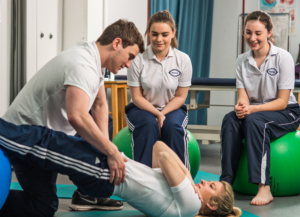
Why Healthcare Professionals Benefit from Dry Needling Training
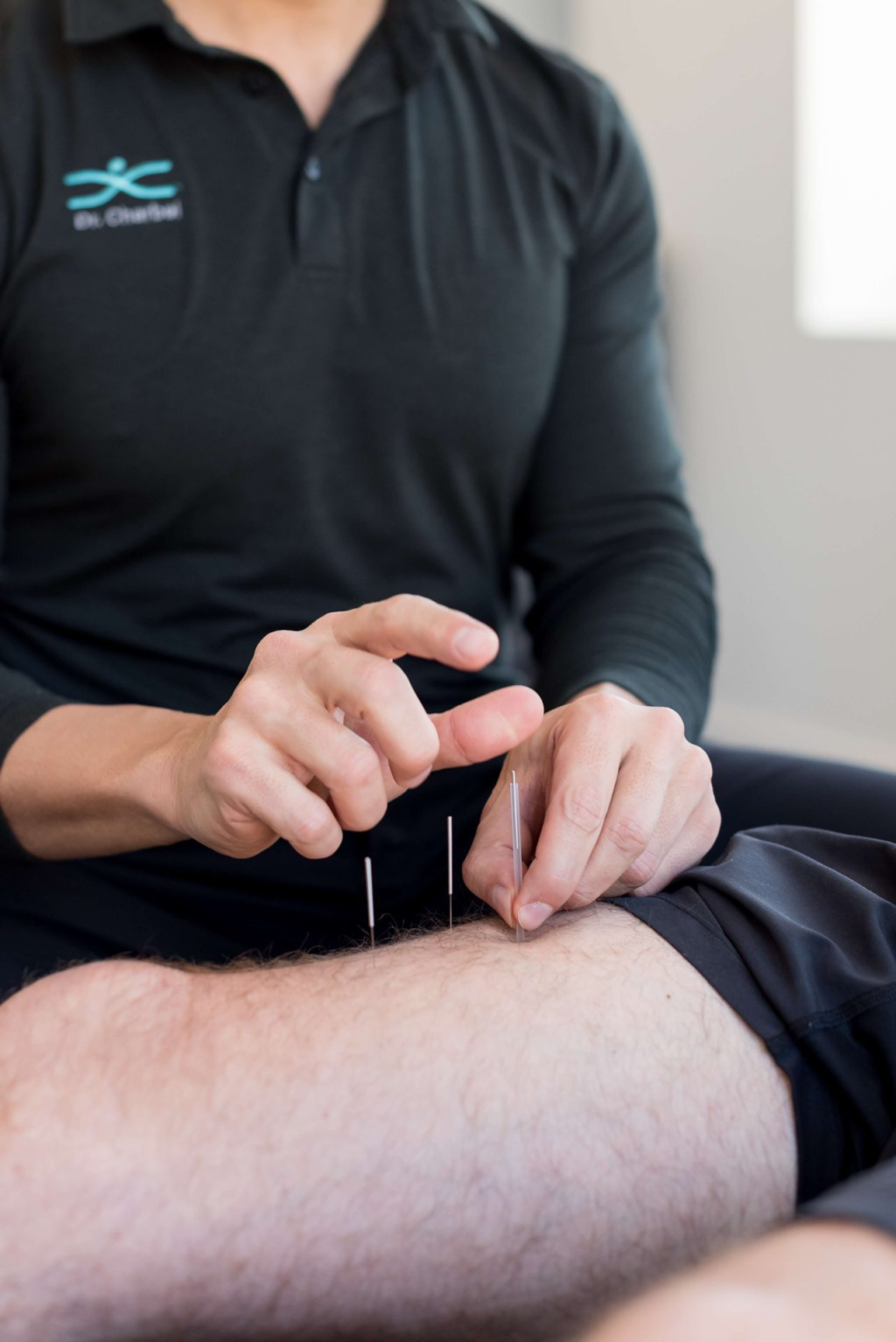
dry needling training course
Dry needling continues to gain momentum as healthcare teams look for more effective ways to support patient recovery and overall wellness. Known for its role in managing musculoskeletal issues, trigger points, and pain-related conditions, dry needling has become a regular part of many rehabilitation and wellness protocols. Practitioners interested in offering this treatment need to complete a dry needling training course before getting started. A dry needling CE course gives professionals the hands-on practice and structured education needed to build this skill properly and confidently.
Understanding Dry Needling Education
Dry needling involves inserting thin, sterile needles into myofascial trigger points and dysfunctional soft tissue to relieve tension and restore function. While the technique may look straightforward from the outside, proper training is essential for safe and effective application. A quality dry needling course typically covers:
- Relevant anatomy and physiology
- How to identify trigger points
- Safe needle handling procedures
- Patient assessment techniques
- Clinical decision-making and treatment planning
- Risk management and contraindications
These foundational skills give practitioners the confidence to perform dry needling accurately and without hesitation.
Why Take a Dry Needling CE Course?
Healthcare is constantly evolving, and staying current with treatment approaches is part of being an effective clinician. A dry needling CE course offers exactly that, an opportunity to deepen clinical knowledge while gaining practical, real-world experience. By combining evidence-based education with hands-on practice, these courses help clinicians round out their overall skill set.
Advanced Training Means Better Safety and Outcomes
Advanced training plays a major role in improving patient outcomes. As more patients seek conservative, non-surgical ways to manage pain and improve mobility, dry needling, when performed by a properly trained provider, can become a valuable part of a broader care plan. Clinicians who pursue advanced training often find they’re better equipped to address:
- Chronic muscle tension
- Myofascial pain syndromes
- Sports-related injuries
- Restricted movement
- Postural dysfunction
- Recovery and rehabilitation challenges
Used appropriately, dry needling can work alongside other therapies to support more well-rounded patient care.
Choosing the Right Dry Needling Training Program
Not all training programs are created equal, so it’s worth taking time to evaluate course content, instructor experience, and the amount of hands-on practice offered. When comparing options, look for:
- Evidence-based course content
- A thorough review of anatomy
- Plenty of hands-on training time
- A strong emphasis on safety
- Accreditation for continuing education credit
- Access to ongoing learning resources and support
Completing a dry needling training course gives healthcare professionals a valuable new tool for improving patient care and clinical efficiency. Whether the goal is better treatment outcomes, professional growth, or simply meeting continuing education requirements, a dry needling CE course delivers value well beyond the classroom.
Frequently Asked Questions
1. Who can take a dry needling training course?
Dry needling courses are typically open to licensed healthcare professionals such as chiropractors, physical therapists, athletic trainers, and other practitioners whose scope of practice allows for the technique, though requirements can vary by state or region.
2. Is dry needling the same as acupuncture?
No. While both use thin needles, dry needling is based on Western medical principles and targets myofascial trigger points to relieve muscle tension and pain, whereas acupuncture is rooted in traditional Chinese medicine and follows a different framework entirely.
3. How long does dry needling certification training typically take?
Course length varies by provider, but many programs are structured as multi-day, hands-on courses, sometimes split across several modules, to allow time for both classroom instruction and supervised practice.
4. Will dry needling training count toward my continuing education requirements?
Many dry needling courses are accredited for continuing education credit, but it’s important to confirm with your licensing board and the course provider that the specific program meets your state’s CE requirements.
5. What conditions can dry needling help treat?
Dry needling is commonly used for chronic muscle tension, myofascial pain, sports injuries, postural issues, and movement restrictions, often as part of a broader treatment plan alongside other therapies.