Food presentation and branding in modern food service operations are heavily dependent on the packaging design. Custom hot paper is essential to businesses as it is used to improve wrapping and customer perception in the day-to-day operation of a business. The custom hot paper is on the rise in food packaging markets where appearance is a big factor. The restaurants and bakeries concentrate on the quality of surfaces, clarity of ink, and wrapping durability with functionality to satisfy the customers. The current market expectations are that it should be precise in print, high grease resistance, and reliable handling in storage and serving, and the business should not lose its brand identity but should meet customer requirements in competitive food services in multiple service channels and retail packaging uses, with an emphasis on visual appeal and operational performance in the daily service workflow standards quality growth usage.
Market Overview
The demand for food packaging is steadily increasing in restaurants, catering services, and retail stores dealing with hot foods. Wholesale custom hot paper channels are important in supply chains due to a stable supply of materials and cost management of large volume operations. Food service providers adopt sound sourcing practices to ensure the same packaging output to support the daily operations of taking out food, dining in on leftovers, and delivery packaging needs in many different service environments and material strength, print consistency,y and safe handling during the food contact use in high-demand settings with steady flow requirements and controlled supply planning to the continuous usage cycle. When materials enhance heat retention, grease resistance, and a clean presentation outcome consistency standard, operational reliability is enhanced.
Branding Impact
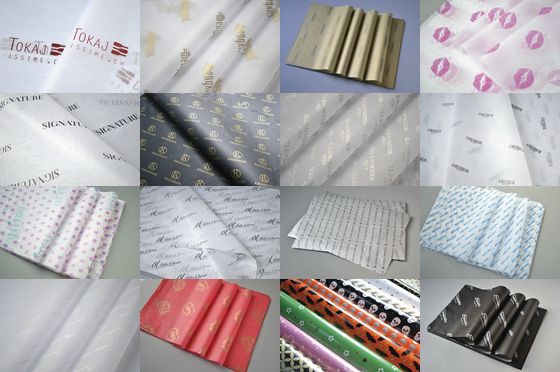
Brand identity affects the customer perception of both food packaging surfaces in competitive food dining environments. Visual branding is enhanced by wholesale custom hot paper, which helps in maintaining consistency in displaying identities during food service activities. Visual consistency is employed by restaurants to reinforce recognition in packaging materials where emphasis is made on how clear the print is, how stable the color is, and the location of the brand name that allows the customer to recall when they visit the restaurant again or when receiving the food in the house where the restaurant takes orders and delivers the meals to the customer and the restaurant must look presentable in all types of restaurants and delivery services with the focus being on the clarity of the print used, The consistency in branding in packaging enhances customer loyalty, increases perceived value and long-term recognition in competitive food service industries where physical appearance directly influences buying choices and frequent interaction across markets.
Material Quality
The choice of materials influences the durability, ink uptake, and food service presentation. Quality is enhanced as hot paper prints provide a consistent texture and resist print performance with heat exposures. Food companies need materials that keep their structure intact through wrapping, do not allow grease to penetrate, and keep printed details intact through the various stages of handling food, from preparation to serving, without having to interfere with visual presentation in a high-traffic business environment. In high-temperature operations and continuous handling processes in food preparation and distribution processes, packaging performance is characterized by durability and print stability that ensures quality assurance in maintaining the same appearance under stress conditions of operations and the use cycle.
Printing Methods
A printing process defines clarity, color reproduction, and surface adherence of food packaging materials. Custom printed hot paper can be produced with a high degree of branding output in a variety of uses through the application of modern processes. Food service production depends on proper printing alignment, ink stability, and uniform surface treatment so that visual elements are kept sharp throughout cutting, wrapping, and handling processes,s and assist brand messaging in various packaging styles utilized in restaurants, bakeries, and catering businesses where reliable output quality measures are required. Printing consistency allows consistency in appearance among printing runs and allows maintaining readability, color control, and design integrity with different production speeds and operation under different circumstances in commercial food production settings that demand consistent quality control standards in the usage process of the readability.
Packaging Uses
Packaging use is in food wrapping, containment, and delivery presentation in service industries. Fabrication can be enhanced with hot wrapping paper that allows the preservation of heat and protection of surfaces during handling. Food providers implement wrapping solutions in a variety of service conditions, such as dine-in wrapping, takeout wrapping, and delivery wrapping, where material strength, grease resistance, and visual consistency determine customer experience in the transport, storage, and ultimate presentation at consumption points in a variety of food environments, as service quality metrics. Operational efficiency is also enhanced by the presence of a consistent wrapping performance, structural integrity, contamination prevention, and clean handling practices in the fast-paced food service environment, with a focus on presentation quality and customer satisfaction outcomes.
Roll Formats
Roll-based packaging container systems offer a continuous feed of material to be used in wrapping food in commercial environments. Rolls of hot paper are used in production lines to ensure continuous wrapping and a constant flow of production. Food preparation plants use roll formats in high-volume packaging operations, whereby speed, consistency, and reliability of materials used dictate efficiency of services at kitchens, catering activities, and takeaway services, with consistent wrapping appearance and less downtime during continuous production cycles in high-traffic settings. Material efficiency is achieved by means of constant supply systems, which help maintain consistent wrapping production, minimize material waste in the handling process, and maintain stable performance of packaging in large-scale food service operations that need quality assurance of the production flow.
Sheet Options
The sheet-based packaging materials facilitate accurate portioning, controlled wrapping, and flexible food packaging use in service environments. Hot paper sheets are favored by operators when performing tasks like individual wrapping, which need precision and uniform appearance. Food business relies on sheet format controlled portions of varying menu items where uniformity, cleanliness, and appearance are critical during preparation, serving, and takeaway processes, and at the same time maintain material strength, print quality, and ease of service in the fast-paced service business quality control. Custom paper wholesale sheet efficiency helps to support the structured packaging processes, keeping the size consistent, diminishing the complexity of handling, and enhancing the presentation control in the food service settings, where accuracy and cleanliness determine the performance of the operations and customer satisfaction results in a process efficiency flow.
Conclusion
Brands’ identity and customer experience in contemporary service sectors are still being influenced by food packaging solutions. Custom hot paper packaging enhances packaging durability, clarity in printing, and consistency in operations in day-to-day food operations. Food companies depend on systematic packaging that ensures quality production, branding,g and consistency, and efficiency in handling of food at the preparation, serving, and delivery stages, besides reliability of materials ,appearance, and customer satisfaction in the competitive markets that are marked with high demand levels. Good packaging performance ensures operational effectiveness, minimizes handling problems, and ensures uniform presentation of the operations throughout food service operations, guaranteeing reliable branding and customer confidence in long-term business development.