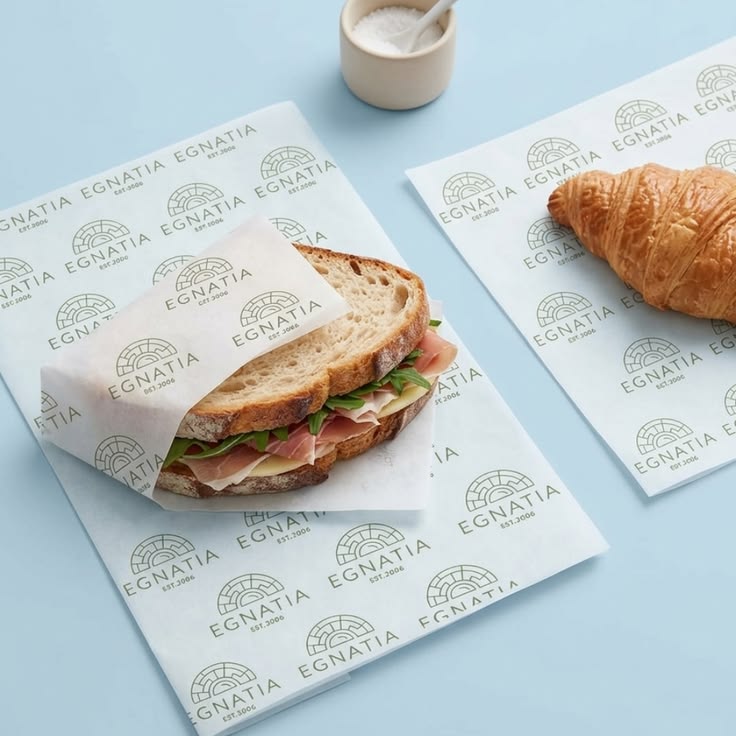
Presentation of food is usually based on a basic protective covering beneath serving dishes. These aspects preserve cleanliness as well as aid aesthetics in serving arrangements. Baskets and trays used in many serving businesses are lined with structured lining materials that offer surface coverage that promotes hygiene and consistency in presentation. The choice of material has an effect on the durability of repeated handling in food services. Various institutions focus on the quality of lining to serve uniformly. Presenting serving cleanly relies on trustworthy decorative and absorbent surfaces. Food basket liners assist serving hygiene in cafes, bakeries, and casual service systems with reliable lining performance that assists in maintaining basket interiors during handling and distribution in busy service environments across a range of service points in daily activities without reducing the quality of presentation flow.
Material Focus
The choice of the material determines the performance of the liners in heat, moisture, and handling pressure. Food baskets that are used in retail environments have frequently relied on paper liners for food baskets to hold structure within serving containers. The resistance to exposure to grease and moisture in everyday service is affected by the thickness. The types of coatings influence the softness and surface grip when it is placed under food portions. The composition of materials facilitates the uniform shaping of the interior components of the baskets of various serving styles. During the processing of fried and baked goods, the density of the fiber influences the absorption control. Surface texture helps to stabilize trays during filled-tray preparations. Material testing will provide a consistency of production batches to be used in commercial food service settings that will have a reliable performance level over a period of use.
Design Purpose
The Design planning puts emphasis on functionality in serving and displaying settings. When the liners of the printed food basket liners correspond to the arrangement of portions and the depth of the containers, visual structure is enhanced. Shape coordination assists in keeping order in presenting meals amongst counters. The alignment of edges helps in determining the overall appearance in the case of filling baskets. Symmetry in design promotes the even distribution of contents in serving baskets. There are color contrast elements that contribute to the visual separation of food products and base layers. Pattern spacing influences perception of neatness in presentation arrangements. Design evaluation involves testing the setup stability during service cycles under different dining conditions without any change in serving flow or structural integrity under repeated use conditions across operational conditions and service demands, which is of critical importance during implementation.
Usage Context
The environment of services determines the integration of lining materials with food presentation processes. Counter service areas are based on an organized distribution of meals. Controlled serving surfaces are used to maintain order in food distribution points. Kitchen output systems need reliable lining support to be able to achieve consistent plating. Takeaway counters rely on organised layering of customer-ready meals. Dining counters have standard lining surfaces to present baskets in an organized manner. The flow of operations in service areas is based on the standard and uniform handling of operations during peak times at various stations within food preparation zones, with the constant level of output quality without interruption in the rhythm of work, service rhythm control being maintained throughout.
Supply Channel
Distribution networks affect the supply of serving material amongst commercial purchasers. Bulk buying systems make use of wholesale food basket liners to ensure a constant supply of food to carry out service activities. The procurement channels ensure consistency in the quality of the material used in repeated orders. The supply chain planning assists in constant supply to serve environments. Hospitality and food outlet vendors use large-scale distribution via vendor systems. Inventory management maintains even inventories to meet the unending demand for services. Logistics coordination will help to ensure the timely replenishment of serving supplies. Commercial distribution models necessitate engineered processes of handling materials between manufacturing locations and the final consumption destination locations, and maintainability of predictable availability of multiple food service activities at scale levels throughout operational cycles.
Brand Options
Branding of products influences identity in serving materials applied in hospitality spaces. Design customization features, such as custom food basket liners, are to be used in presentation in serving settings. Conservation of brand enhances recognition in the scales of dining and service counters. VISA systems help in maintaining the same presentation in different outlets. Packaging consistency supports brand presence in customer interaction. Elements of design enhance recognition by exposure repetition in service contexts. Brand messages can be seen in terms of visual consistency in serving environments. Food service systems of identity depend on the consistency of visual cues amongst materials, signage, and serving equipment that establishes a coherent customer perception in repeated visits and service interactions in diverse settings, without variation in the presentation standards and tone control of delivery.
Service Areas
Service coverage is different in different eating joints based on the scope of operations. Visual presentation systems are based on the use of printed food basket liners used to increase the aesthetics of serving in the dining areas. Structured materials are utilized in restaurants to ensure consistency in displaying meals. Hospitality arrangements rely on trustworthy presentation instruments to deal with customers. Food outlets incorporate the surface solutions that serve the purpose of clarity in serving arrangements. Dining services have organized structures in diverse service points. Service points need to be visually arranged throughout service areas. The operational environment in the hospitality industry relies on the consistent use of materials serving visual stability in food presentation systems that provide uniform delivery of service across numerous service interactions in a restaurant or cafe through an organization of service flow.
Print Quality
Printing transparency influences the value of presentation in service areas. The performance of food liners sheets during the display of foods depends on the surface treatment options. Stability of ink distribution: This is a visual stability over repeated usage. When printing alignment is not done, patterns used in serving setups are not readable. The quality of finish of surfaces influences the presentation of meals in the context of presentation. The precision of design helps in consistency between the different batches of the print. Saturation of color is what determines the visibility of printed elements during lighting. Printing production quality control procedures guarantee the similarity of output in batches that are utilized in food service materials that retain alignment, readability, and stability under repeated handling conditions in corporate settings to meet operational reliability standards in cycles of service usage in production control systems.
Sheet Formats
Food service distribution depends on the packaging formats to dictate the level of efficiency. Flat sheets are easy to place in the baskets and trays when serving. Stored racks enhance the ease of accessibility in crowded kitchen settings. In uniformity of serving the surface, cutting precision influences the coverage. Custom printed paper the ways of handling storage affect the material’s preparedness for service operations. Distribution packaging assists in the flow of supplies, which are ordered within food outlets. Design enhances usability in quick serving cycles. The material handling systems need to be uniform in the format that meets the speed of operations in the food service facilities, which can guarantee smooth distribution, dependable placement, and stable operation in the various serving conditions in different operational units during the service delivery phases without disruption in the working processes across different serving zones in the commercial operations, ensuring constant output quality level.
Conclusion
Consistent lining materials are essential to serving environments, which provide stability in the presentation of food. Food basket liners enhance structured presentation in diverse food service environments. Consistency of materials affects hygiene control in the daily serving processes. The visual order in the baskets and trays is ensured by design coordination. Operational systems are based on the material performance with repeated handling. The provision of good service is enhanced with consistent coverage of surfaces in eating areas. The choice of material influences uniformity in food presentation systems at service counters and in kitchen operations that ensure a steady output during peak demand without interruption in the workflow across commercial food outlets, which ensure dependability in service delivery under conditions of operational pressure.