Next-Generation Medicine Congress: Shaping the Future of Healthcare Innovation
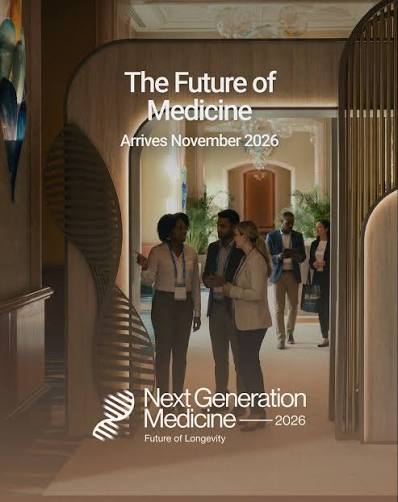
Next-Generation Medicine Congress
The Next-Generation Medicine Congress is a premier event that brings together healthcare professionals, researchers, pharmaceutical experts, biotechnology innovators, policymakers, and medical technology leaders to explore the future of modern medicine. As healthcare continues to evolve through groundbreaking discoveries and digital transformation, this congress serves as a global platform for discussing the latest advancements, sharing research, and fostering collaborations that improve patient care worldwide.
From artificial intelligence and precision medicine to regenerative therapies and digital health solutions, the Next-Generation Medicine Congress showcases the innovations that are redefining the healthcare landscape. Whether you are a physician, scientist, healthcare executive, or medical student, attending this event offers valuable opportunities to stay informed about emerging trends and contribute to the future of medicine.
What Is the Next-Generation Medicine Congress?
The Next-Generation Medicine Congress is an international conference focused on advancing healthcare through science, technology, and interdisciplinary collaboration. It features keynote presentations, expert panel discussions, scientific sessions, workshops, and networking opportunities designed to address the most pressing challenges and opportunities in modern medicine.
The congress attracts participants from around the globe, including:
- Physicians and surgeons
- Clinical researchers
- Biomedical scientists
- Pharmaceutical professionals
- Biotechnology companies
- Medical device manufacturers
- Healthcare administrators
- Academic institutions
- Government health agencies
- Medical students and trainees
The event provides a collaborative environment where experts exchange knowledge, present research findings, and discuss innovative approaches to patient care.
Why the Next-Generation Medicine Congress Matters
Healthcare is experiencing rapid transformation driven by technological innovation, personalized treatment strategies, and improved data analysis. The Next-Generation Medicine Congress plays a vital role in helping healthcare professionals understand these developments and implement them effectively.
Key benefits of attending include:
- Learning about the latest medical research
- Discovering innovative healthcare technologies
- Building international professional networks
- Exploring emerging treatment methods
- Understanding future healthcare policies
- Collaborating on multidisciplinary research projects
The congress helps bridge the gap between scientific discovery and clinical application, ultimately improving healthcare outcomes.
Key Topics Covered
The Next-Generation Medicine Congress covers a broad spectrum of medical disciplines and emerging technologies. While the agenda may vary each year, several core themes consistently shape the discussions.
Precision Medicine
Precision medicine focuses on tailoring treatments to individual patients based on genetics, lifestyle, and environmental factors. Sessions explore how genomic sequencing, biomarker analysis, and personalized therapies are transforming disease prevention and treatment.
Artificial Intelligence in Healthcare
Artificial intelligence (AI) is revolutionizing healthcare by improving diagnostics, treatment planning, medical imaging, and predictive analytics. Experts demonstrate how AI-powered systems support physicians in making faster and more accurate clinical decisions while maintaining patient safety.
Genomics and Genetic Medicine
Advances in genomic research have opened new possibilities for diagnosing inherited diseases, developing targeted therapies, and identifying patients at higher risk for certain conditions. The congress highlights breakthroughs in gene sequencing, genetic counseling, and precision diagnostics.
Regenerative Medicine
Regenerative medicine aims to repair or replace damaged tissues using stem cells, tissue engineering, and advanced biological therapies. Researchers present the latest developments in treatments for orthopedic injuries, neurological disorders, cardiovascular diseases, and chronic conditions.
Digital Health
Digital healthcare solutions continue to expand access to medical services through telemedicine, wearable health devices, mobile applications, and remote patient monitoring systems. The congress explores how digital tools improve patient engagement and healthcare delivery.
Robotics and Advanced Surgery
Robotic-assisted surgery continues to improve surgical precision, reduce recovery times, and minimize complications. Demonstrations and presentations showcase innovations in minimally invasive surgical technologies across multiple specialties.
Pharmaceutical Innovation
New drug discovery techniques, clinical trial methodologies, biologics, and vaccine development remain important areas of discussion. Pharmaceutical companies share insights into developing safer and more effective therapies for complex diseases.
Biotechnology
Biotechnology plays an increasingly important role in healthcare through advanced diagnostics, therapeutic development, and laboratory innovations. The congress highlights collaborations between biotechnology companies and healthcare institutions.
Expert Speakers and Scientific Sessions
One of the most valuable aspects of the Next-Generation Medicine Congress is the opportunity to learn directly from internationally recognized experts. Speakers often include:
- Leading physicians
- University researchers
- Nobel laureates
- Biotechnology executives
- Pharmaceutical scientists
- Public health specialists
- Medical technology innovators
Scientific sessions feature evidence-based presentations supported by clinical research, allowing participants to gain insights into practical applications of emerging medical technologies.
Networking Opportunities
Professional networking is a major highlight of the congress. Healthcare professionals from different countries gather to exchange ideas, establish partnerships, and develop future collaborations.
Networking opportunities include:
- Welcome receptions
- Roundtable discussions
- Poster presentations
- Business meetings
- Industry exhibitions
- Research collaboration sessions
These interactions often lead to multicenter clinical studies, research partnerships, and international healthcare initiatives.
Exhibition Area
The exhibition hall showcases the latest products, technologies, and services from leading healthcare organizations.
Visitors can explore innovations such as:
- Medical imaging equipment
- Laboratory technologies
- Diagnostic tools
- Artificial intelligence software
- Robotic surgical systems
- Pharmaceutical products
- Biotechnology solutions
- Electronic health record systems
- Medical education platforms
The exhibition provides hands-on demonstrations and opportunities to interact directly with product developers.
Benefits for Healthcare Professionals
Attending the Next-Generation Medicine Congress offers numerous professional advantages.
Continuing Medical Education
Many conferences provide Continuing Medical Education (CME) opportunities that help healthcare professionals maintain certifications while expanding their clinical knowledge.
Research Exposure
Researchers can present their findings to an international audience, receive constructive feedback, and increase the visibility of their work.
Career Development
Medical students, residents, and early-career professionals gain exposure to emerging specialties, mentorship opportunities, and career pathways within academic medicine, research, and healthcare leadership.
Knowledge Exchange
Participants return to their institutions with updated knowledge that can improve patient care, clinical protocols, and healthcare management.
The Role of Technology
Technology remains one of the driving forces behind next-generation medicine. Several innovations continue to reshape healthcare delivery.
Big Data Analytics
Healthcare organizations use large-scale data analysis to identify disease patterns, improve treatment outcomes, and support population health management.
Machine Learning
Machine learning algorithms assist in diagnosing diseases, predicting patient outcomes, and optimizing treatment plans based on large clinical datasets.
Wearable Devices
Smartwatches and wearable sensors allow continuous monitoring of heart rate, physical activity, sleep patterns, glucose levels, and other health indicators.
Telemedicine
Virtual healthcare consultations improve access to medical services, particularly for patients in remote areas or those requiring ongoing follow-up care.
Global Healthcare Challenges
The Next-Generation Medicine Congress also addresses pressing global health issues, including:
- Emerging infectious diseases
- Pandemic preparedness
- Antimicrobial resistance
- Healthcare accessibility
- Aging populations
- Chronic disease management
- Mental health
- Healthcare sustainability
Experts discuss collaborative solutions that strengthen healthcare systems and improve public health worldwide.
Future Trends in Medicine
Several exciting trends continue to shape the future of healthcare.
Personalized Therapies
Treatment plans based on individual genetic profiles will continue improving effectiveness while reducing unwanted side effects.
Digital Twins
Digital representations of patients may help physicians simulate treatments before applying them in real clinical settings.
Advanced Gene Editing
Technologies such as CRISPR continue expanding possibilities for treating inherited diseases and certain cancers.
Smart Hospitals
Hospitals increasingly integrate artificial intelligence, automation, robotics, and connected medical devices to improve efficiency and patient safety.
Preventive Healthcare
Future healthcare systems will place greater emphasis on disease prevention through predictive analytics, early diagnosis, and lifestyle interventions.
Why Attend the Next-Generation Medicine Congress?
Whether you are involved in patient care, scientific research, healthcare management, or medical education, the congress offers significant value.
Participants can:
- Learn from internationally recognized experts
- Stay current with medical innovations
- Discover cutting-edge technologies
- Build global professional relationships
- Present research findings
- Explore new business opportunities
- Gain practical clinical knowledge
- Contribute to improving healthcare worldwide
The congress creates an environment where collaboration drives innovation and where new ideas can lead to meaningful improvements in medicine.
Conclusion
The Next-Generation Medicine Congress represents more than just a scientific conference—it is a global forum for shaping the future of healthcare. By bringing together experts from medicine, biotechnology, pharmaceuticals, digital health, and research, the congress fosters collaboration that accelerates medical innovation and improves patient outcomes.
As healthcare continues to evolve through precision medicine, artificial intelligence, regenerative therapies, and digital transformation, events like the Next-Generation Medicine Congress play an essential role in translating scientific breakthroughs into real-world clinical practice. For healthcare professionals seeking to stay at the forefront of medical advancements, this congress offers an invaluable opportunity to learn, connect, and contribute to the next era of medicine.