A healthy, confident smile can make a real difference to how you feel about yourself. Whether you have lost a tooth, are unhappy with gaps in your smile, or would like to straighten crowded or misaligned teeth, modern dentistry offers a number of treatment options.
For people looking for a Hertfordshire dentist for dental implants and Invisalign, the most important step is understanding which treatment is suitable for their individual needs. At Iconic Smiles, patients can discuss their concerns with a dental professional and explore treatment options based on their oral health, goals and expectations.
Dental implants and Invisalign are very different treatments, but both can play an important role in improving the appearance and function of your smile.
Understanding Dental Implants
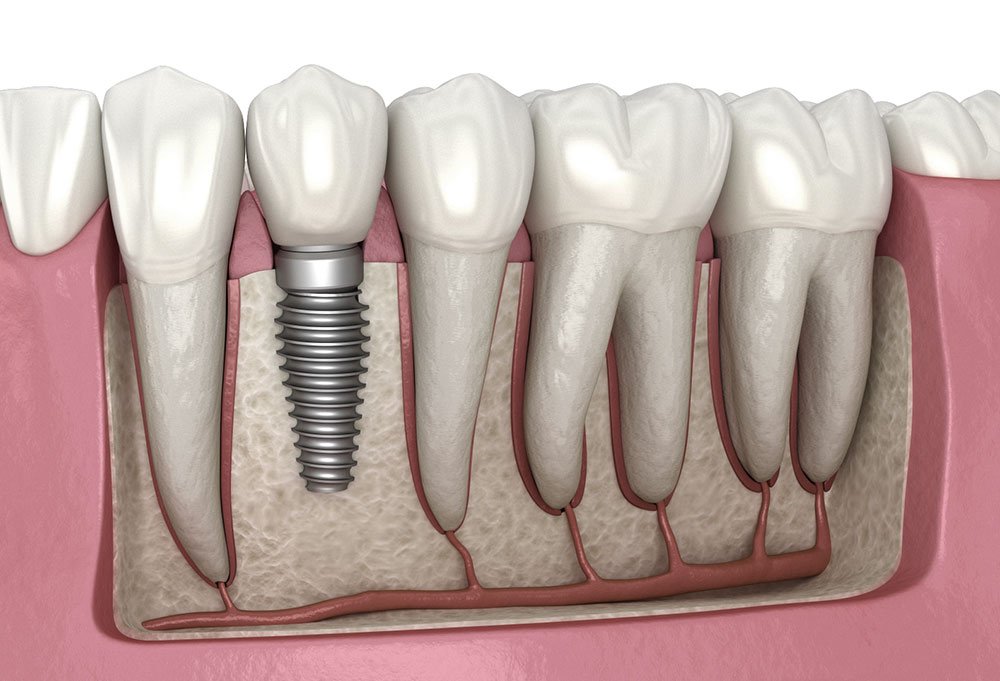
Dental implants are designed to replace missing tooth roots. An implant is placed into the jawbone and can support a crown, bridge or denture once the treatment has progressed sufficiently.
They can be used to replace a single missing tooth or multiple teeth, depending on the patient’s circumstances. One of the benefits of an implant-supported restoration is that it provides a fixed option rather than relying on a removable denture.
However, dental implants are not automatically suitable for everyone. A dentist will normally assess the condition of your teeth and gums, available bone in the jaw and other aspects of your general health before recommending treatment.
This makes the initial consultation particularly important. Rather than assuming that implants are the right solution, a dental professional can explain whether they are appropriate and discuss alternatives where necessary.
What Happens During Dental Implant Treatment?
Dental implant treatment is usually carried out in several stages.
The process starts with an assessment and treatment planning. Your dentist may use X-rays or other imaging to evaluate the jawbone and determine the appropriate position for the implant. If there is insufficient bone in the area, a bone graft may sometimes be required, although this is not necessary for every patient.
The implant is then placed into the jawbone, generally using local anaesthetic. After placement, the implant needs time to integrate with the surrounding bone before it can support the final restoration.
The overall treatment timeline varies from patient to patient. Depending on the complexity of the case and whether additional procedures are needed, treatment may take several months.
A good dental consultation should therefore cover not only the procedure itself but also the expected timescale, possible risks, aftercare and alternative treatment options.
Who Might Consider Dental Implants?
People who have lost one or more teeth may wish to discuss dental implants with their dentist. They can be particularly useful when a patient wants a fixed replacement for a missing tooth rather than a removable option.
However, healthy gums and appropriate oral hygiene are important considerations. Existing dental problems may need to be addressed before implant treatment can begin.
Smoking is another factor worth discussing with your dentist. Smoking can increase the risk of complications associated with dental implants, so patients may be advised to stop smoking before and after treatment.
If you are considering dental implants in Hertfordshire, a personalised consultation can help you understand whether implants are appropriate for your situation.
What Is Invisalign?
While dental implants are used to replace missing teeth, Invisalign is an orthodontic treatment designed to move teeth gradually.
Invisalign uses a series of clear, removable aligners. They are designed to apply controlled pressure to the teeth over time, helping address certain alignment problems.
Clear aligners can be appealing to people who would prefer a more discreet alternative to traditional fixed braces. Because the aligners are removable, they can also make everyday brushing and eating more convenient.
However, clear aligners are not suitable for every orthodontic problem. The right treatment depends on the position of your teeth and the nature of the problem being treated. NHS guidance recommends an assessment before orthodontic treatment so that an appropriate treatment plan can be developed.
Why Choose Invisalign?
For many adults, one of the biggest attractions of Invisalign is its discreet appearance. Traditional braces use brackets and wires that are visible when you smile, whereas clear aligners are designed to be much less noticeable.
The removable nature of aligners can also make it easier to maintain your usual oral hygiene routine. You can remove them when eating and when brushing your teeth.
That said, Invisalign treatment still requires commitment. Aligners need to be worn as instructed, and patients need to attend the recommended appointments so that their progress can be monitored.
The length of treatment will depend on the individual case and the amount of tooth movement required.
Finding the Right Hertfordshire Dentist for Invisalign
If you search online for an Invisalign dentist in Hertfordshire, you will find a variety of dental practices offering clear aligner treatment. Choosing a practice should involve more than simply comparing prices or looking for the closest location.
Consider whether the dentist provides a proper assessment and explains what Invisalign can realistically achieve in your particular case.
It is also worth asking about:
- The expected treatment duration
- How often appointments are required
- What is included in the treatment cost
- Whether alternative orthodontic treatments are available
- What happens after the active treatment
- Whether retainers are included or recommended
- How any concerns during treatment will be handled
At Iconic Smiles, the aim should be to help patients understand their options before making a decision, rather than approaching every smile in exactly the same way.
Can Dental Implants and Invisalign Be Combined?
Although dental implants and Invisalign have different purposes, there are circumstances where both treatments may form part of a wider dental treatment plan.
For example, a patient could have a missing tooth alongside crowded or poorly positioned natural teeth. In such a situation, the dentist may need to consider both tooth replacement and orthodontic alignment.
Treatment planning can be particularly important because a dental implant is fixed in the jaw and cannot be moved through orthodontic treatment in the same way as a natural tooth.
If both treatments are being considered, your dentist can determine the appropriate sequence based on your individual dental condition and treatment objectives.
Looking After Your Dental Health After Treatment
Good oral hygiene remains important after both dental implants and Invisalign.
For dental implants, maintaining healthy gums and keeping the implant area clean are important parts of long-term care. Regular dental examinations can also help monitor the condition of your teeth, gums and restorations.
After Invisalign or another form of orthodontic treatment, retainers are generally used to help maintain the new position of the teeth. Teeth can naturally move over time, so following your dentist’s instructions about retainer use is important.
Daily brushing with fluoride toothpaste, cleaning between the teeth and attending regular dental appointments are also important for maintaining good oral health.
Why a Personal Consultation Matters
Online research is useful when you are comparing dental treatments, but it cannot determine which option is right for you.
Whether you are considering dental implants in Hertfordshire, Invisalign or another form of dental treatment, your teeth, gums, bite and overall circumstances need to be assessed individually.
A consultation gives you the opportunity to discuss your concerns, ask questions and understand the potential benefits, limitations, costs and aftercare associated with treatment.
For patients considering dental implants or Invisalign, Iconic Smiles can be a starting point for discussing their dental concerns and exploring appropriate treatment options with a dental professional.
The goal should not simply be to choose the most popular treatment. It should be to find an approach that is appropriate for your oral health and fits your individual needs. With proper assessment, realistic expectations and ongoing care, modern dentistry can help you work towards a healthier and more confident smile.